

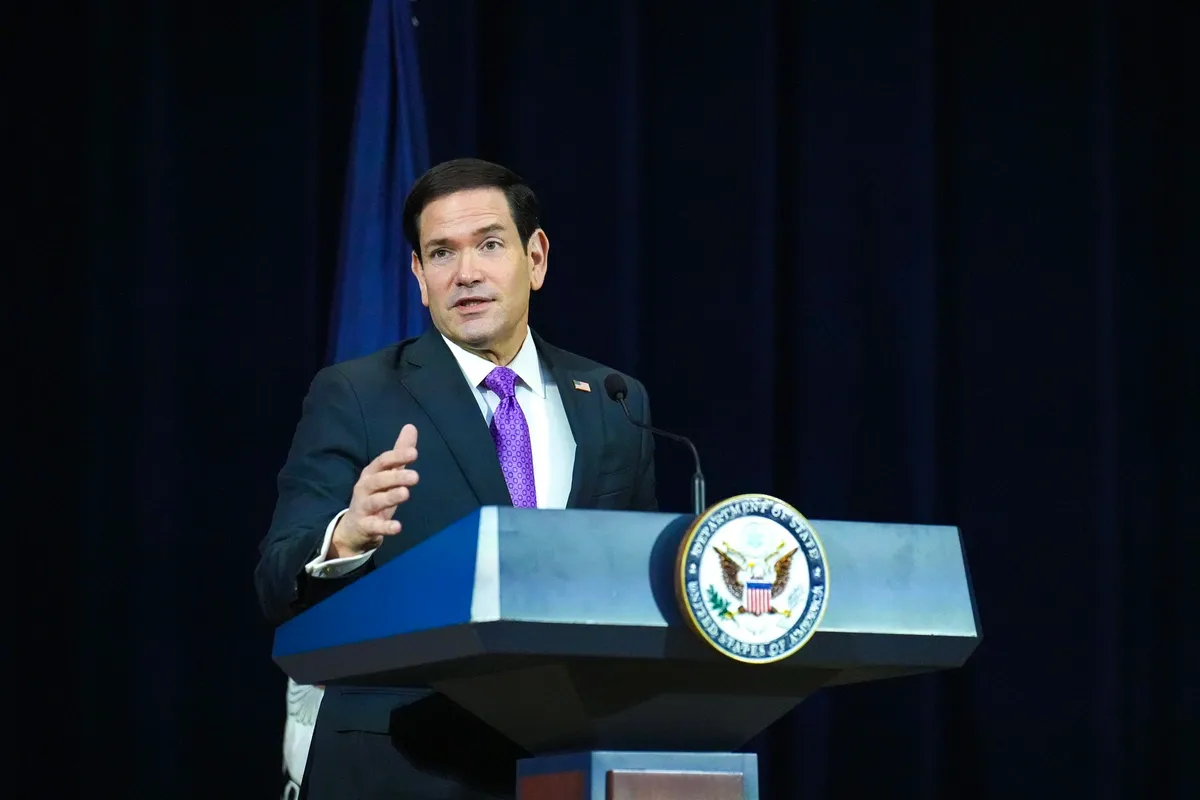
Secretary of State Marco Rubio is planning to travel to Uzbekistan in October, accompanied by an American business delegation, in a visit that officials say reflects growing American interest in deepening economic and diplomatic relationships across Central Asia. The trip continues a broader pattern of increased American engagement with the region throughout recent years, as Washington has sought to build stronger ties with countries that have historically maintained closer relationships with both Russia and China given their geographic proximity and long historical connections to both powers.
Central Asian nations, including Uzbekistan, have increasingly sought to diversify their international partnerships beyond their traditional reliance on relationships with Russia and China, creating openings for expanded American engagement in a region that had previously received comparatively limited high-level diplomatic attention from Washington. This upcoming visit represents a continuation of efforts to capitalize on this diversification interest, positioning the United States as an attractive alternative partner for countries throughout the region seeking to expand their range of international economic and diplomatic relationships.
The inclusion of a business delegation alongside Rubio’s visit signals a deliberate effort to combine diplomatic engagement with tangible economic outreach, reflecting a broader strategy of using high-level diplomatic visits to simultaneously advance commercial interests for American companies interested in expanding their presence within Central Asian markets. This approach mirrors similar strategies employed during other recent high-profile diplomatic engagements this year, where substantial business delegations have accompanied senior officials specifically to help translate diplomatic goodwill into concrete economic partnerships.
Uzbekistan’s own economic development has attracted growing international attention in recent years, as the country has pursued various economic reforms aimed at attracting greater foreign investment and expanding its integration into global trade networks. American companies operating in sectors ranging from energy to technology have expressed increasing interest in the broader Central Asian market, viewing the region’s significant natural resources and strategic geographic position as offering meaningful long-term commercial opportunities for companies willing to navigate the particular challenges associated with doing business in this part of the world.
The broader geopolitical context surrounding this planned visit includes ongoing competition between major powers for influence throughout Central Asia, a region that has historically served as something of a crossroads between Russian, Chinese, and, increasingly, Western spheres of influence. American diplomatic engagement in the region has generally emphasized economic partnership and support for national sovereignty, positioning these efforts as offering Central Asian nations meaningful alternatives to what officials characterize as more constraining relationships with other major powers active in the region.
Regional experts note that sustained diplomatic engagement, rather than occasional high-profile visits, typically proves most effective in building durable relationships within Central Asia, suggesting that this planned October visit will likely need to be followed by continued sustained engagement if it is to translate into lasting improvements in the American relationship with Uzbekistan and the broader region. Single diplomatic visits, however well-publicized, generally require follow-through to produce meaningful long-term diplomatic and economic benefits.
As preparations for this October visit continue, both American and Uzbek officials appear to view the trip as an important opportunity to advance a relationship that has grown increasingly significant within the broader context of American engagement across Central Asia. Whether this visit produces concrete new economic partnerships or primarily serves to reinforce existing diplomatic ties will likely become clearer only after Rubio’s delegation completes its visit and any resulting agreements or commitments become publicly known in the weeks following the trip.