

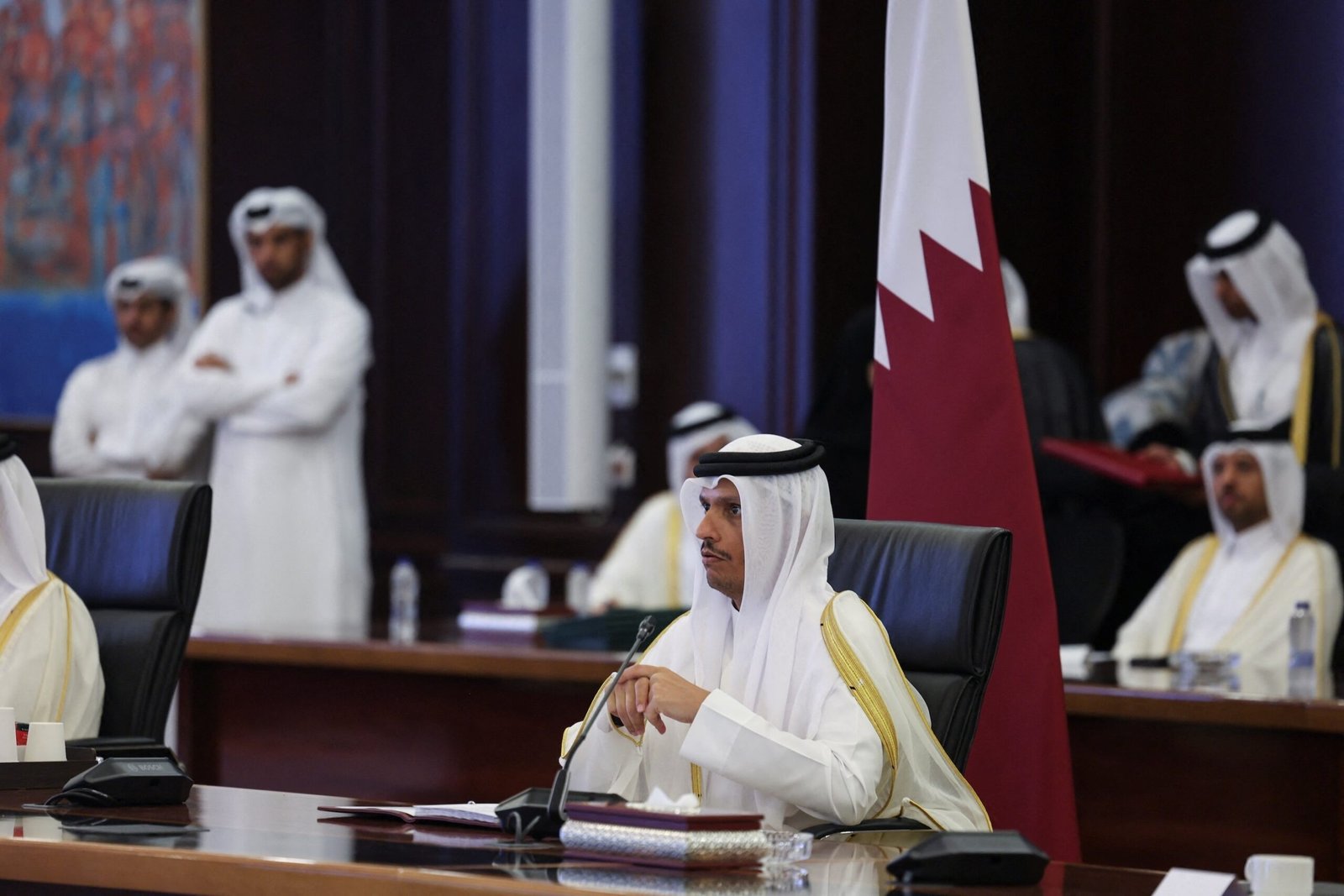
Qatar’s role as a diplomatic mediator across multiple Middle Eastern conflicts has continued expanding this year, with the small but wealthy Gulf state emerging as a central facilitator in several of the region’s most significant ongoing negotiations, including current talks between the United States and Iran regarding the Strait of Hormuz. This growing mediation role reflects a deliberate diplomatic strategy Qatar has cultivated over recent years, positioning itself as a trusted intermediary capable of maintaining working relationships with parties that often have minimal direct diplomatic contact with one another.
Qatar’s approach to mediation typically emphasizes maintaining genuine neutrality and preserving communication channels with all relevant parties, even those with sharply divergent or openly hostile positions toward one another. This capacity to serve as a trusted intermediary has proven particularly valuable in situations involving countries like the United States and Iran, which lack formal diplomatic relations and generally have extremely limited direct government-to-government communication channels outside of carefully arranged mediated discussions facilitated by third parties like Qatar.
The country’s diplomatic infrastructure, including its capital’s role as host to numerous international conferences and its substantial investment in diplomatic capacity building over recent decades, has provided practical foundations supporting this expanded mediation role. Qatar has also cultivated relationships across a genuinely broad spectrum of regional and international actors, allowing it to maintain communication channels that many other potential mediators, whose own political positions might create complications with one or more parties to a given negotiation, simply cannot replicate.
Beyond the current American-Iranian negotiations, Qatar has played significant mediating roles in several other regional contexts throughout recent years, building a track record that has reinforced international confidence in its capacity to facilitate genuinely productive negotiations even in extremely difficult circumstances. This accumulated diplomatic experience and demonstrated track record has likely contributed to why multiple parties continue turning to Qatar specifically when seeking mediation for particularly sensitive or complex negotiations throughout the broader region.
Some regional analysts have noted that Qatar’s expanding mediation role also reflects broader strategic calculations regarding the country’s own security and international standing, given that serving as an indispensable diplomatic bridge-builder provides Qatar with meaningful international influence and goodwill that might otherwise be difficult for a country of its relatively modest size and population to achieve through more conventional measures of geopolitical power such as military capability or raw economic size.
This growing diplomatic centrality has not been without its own complications, as Qatar’s efforts to maintain relationships across genuinely opposing parties occasionally draws criticism from various directions, with different observers sometimes questioning whether Qatar’s relationships with specific parties compromise its claimed neutrality in particular negotiations. Despite these periodic criticisms, Qatar has generally managed to maintain its mediating role across multiple ongoing negotiations, suggesting that the practical value it provides to negotiating parties continues outweighing concerns raised by various critics of its specific diplomatic relationships.
As Qatar continues expanding its mediation activities across the region, including its current central role in facilitating the sensitive American-Iranian negotiations regarding Hormuz, the country’s diplomatic influence appears likely to continue growing regardless of how any individual negotiation ultimately concludes. This broader trend toward Qatar serving as an increasingly indispensable diplomatic intermediary reflects a genuinely significant shift in regional diplomatic dynamics, one that will likely continue shaping how future Middle Eastern negotiations are structured and facilitated in the years ahead.