

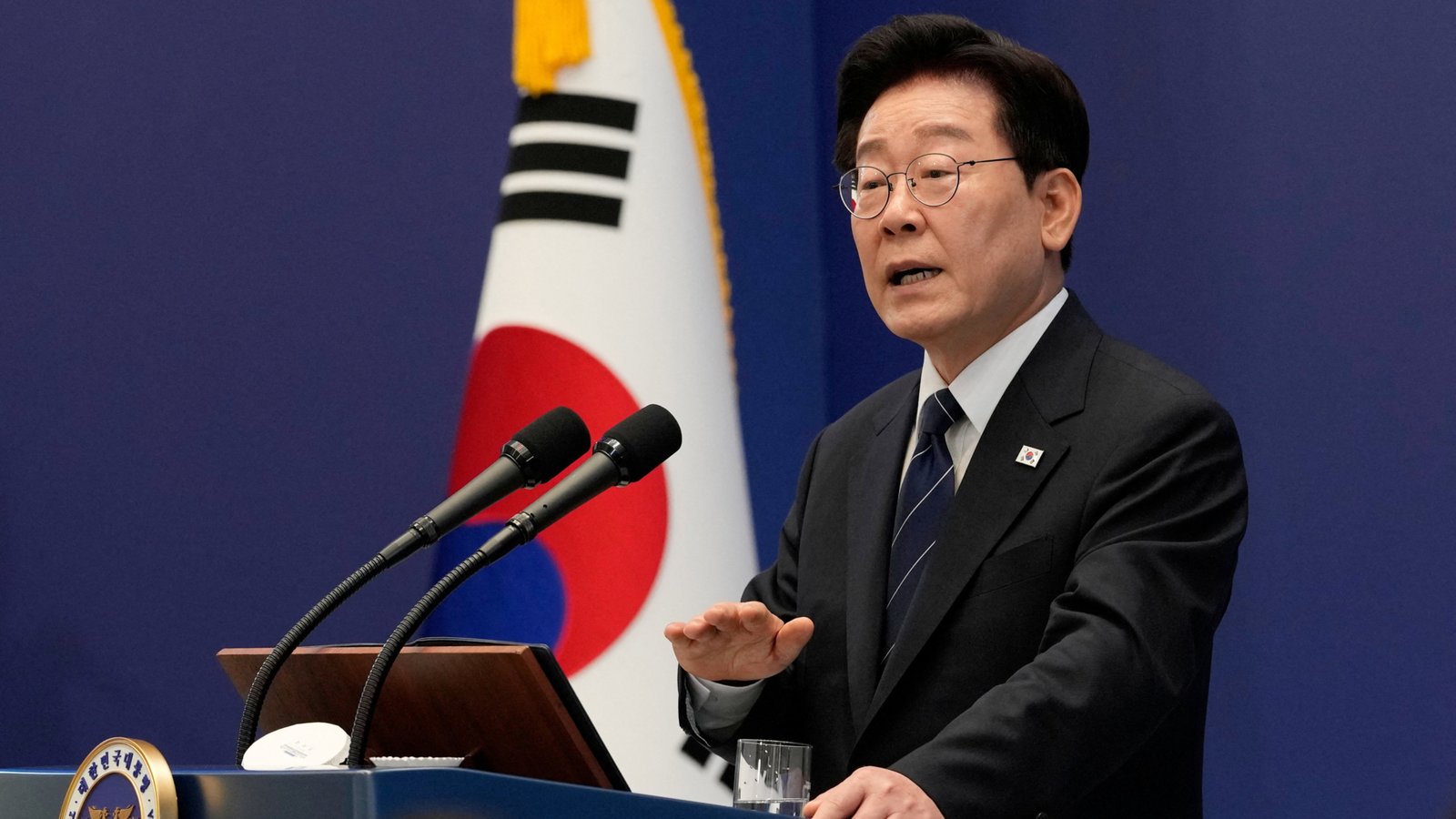
South Korea’s presidential office has demanded an official explanation and apology from Ukraine following a diplomatic dispute over the transfer of two North Korean prisoners of war to South Korean custody, with Seoul accusing Kyiv of disclosing details of the transfer despite what South Korean officials describe as a prior agreement to keep the matter confidential. The dispute emerged after Ukrainian President Volodymyr Zelensky publicly announced the transfer during his address to the United Nations General Assembly last week, a disclosure that South Korean officials say violated their understanding of how the sensitive matter would be handled.
According to South Korean officials, the situation escalated further when Ukrainian sources subsequently denied that any confidentiality agreement regarding the transfer had ever existed, a denial that Seoul’s presidential office characterized as false and damaging to trust between the two governments. A senior South Korean presidential secretary issued a formal statement expressing strong regret over what officials described as Ukraine’s unilateral disclosure in violation of the confidentiality agreement, followed by what Seoul considers a false public denial that any such agreement existed in the first place.
The underlying transfer itself involved two North Korean soldiers who had been captured by Ukrainian forces during fighting in Russia’s Kursk region back in January of last year, having been deployed there as part of North Korea’s broader military support for Russia’s war effort against Ukraine. After approximately twenty months in Ukrainian custody, the two soldiers were transferred to South Korea following consultations between the relevant governments, with officials indicating the transfer respected the soldiers’ own expressed wishes regarding where they wanted to relocate following their capture.
This transfer carries particular significance given reports that Russia had reportedly offered to exchange thousands of Ukrainian prisoners in its custody in return for these two North Korean soldiers, making Ukraine’s decision to instead honor the soldiers’ individual preferences and facilitate their transfer to South Korea a notable diplomatic gesture that some analysts suggest reflects Ukraine’s broader effort to cultivate stronger relationships with countries like South Korea and Japan amid its ongoing conflict with Russia and Russia’s ally North Korea.
South Korean officials have indicated they are considering what they described as additional measures in response to this dispute, though specific details about what such measures might entail have not been publicly disclosed at this time. This suggests the diplomatic friction between the two countries could potentially extend beyond simply the public exchange of statements currently characterizing the dispute, though the ultimate practical consequences for the broader bilateral relationship remain genuinely uncertain at this early stage.
Some regional commentators have urged both governments to resolve this dispute through careful diplomatic coordination rather than allowing it to escalate into a more significant partisan political controversy, particularly given the broader strategic importance of maintaining strong cooperation between South Korea and Ukraine amid shared concerns about North Korean and Russian military cooperation. These voices have emphasized that the primary practical priority should remain ensuring the safety and wellbeing of the transferred soldiers while carefully investigating what additional intelligence they might provide regarding North Korea’s military role in supporting Russia’s war effort.
As this diplomatic dispute continues developing, both governments face the challenge of managing what began as a sensitive humanitarian and intelligence matter that has now evolved into a more public diplomatic friction point. Whether this disagreement can be resolved through direct diplomatic engagement without causing lasting damage to the broader relationship between Seoul and Kyiv remains an important question that officials from both governments will likely need to address in the coming days and weeks.