

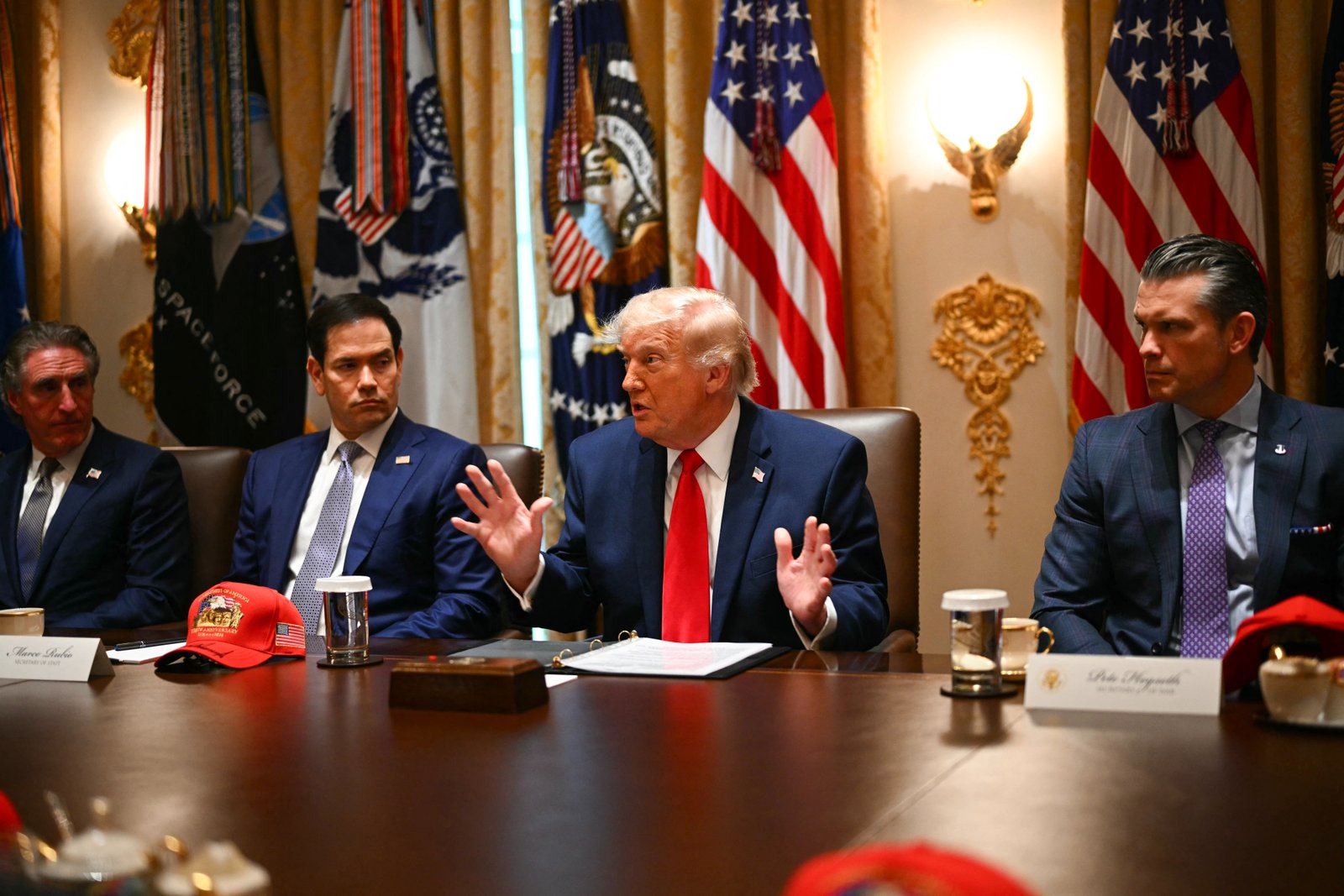
President Trump indicated this week that the United States would decide very soon whether to pursue a negotiated resolution with Iran or instead escalate toward more direct military confrontation, marking a departure from his more optimistic statements made just days earlier suggesting the broader conflict would conclude soon without further significant escalation. This shift in tone reflects the continued uncertainty characterizing the American approach to the now extended standoff with Iran, which has persisted for well over two hundred days according to various tracking efforts monitoring the conflict’s developments.
Trump’s comments came as Iran received Washington’s formal response to its proposal for a seven-day timeline toward reopening the Strait of Hormuz, a critical waterway whose potential closure or disruption has carried significant implications for global energy markets throughout the extended crisis. The specific content of this American response, and whether it moves the two sides closer to or further from a negotiated resolution, remains a central focus for diplomatic observers tracking the conflict’s trajectory.
Economic pressure on Iran has reportedly intensified considerably in recent weeks, with the Iranian currency falling to a record low exceeding two and a half million rial to the dollar, alongside annual inflation reportedly reaching approximately sixty-one percent and food price inflation climbing even higher to around one hundred twenty-eight percent according to recent reporting. These severe economic indicators provide important context for American officials’ characterization of Iran’s weakened negotiating position heading into this critical decision point.
American officials have specifically cited this economic deterioration as evidence supporting their characterization of Iran’s increasingly difficult position, with Treasury Secretary Scott Bessent reportedly suggesting that continued economic pressure would leave Iran with essentially nothing left to trade within a matter of weeks. This framing suggests American officials believe time currently favors their negotiating position, even as the human and economic costs of the extended conflict continue accumulating on multiple fronts throughout this period.
The conflict has also generated significant costs for American military personnel, with reports indicating eighteen American service members have been killed throughout the course of the extended engagement. This human toll underscores the genuine stakes involved in how this conflict ultimately resolves, extending well beyond the economic and diplomatic dimensions that have dominated much of the public discussion surrounding the ongoing crisis.
Military logistics challenges have also emerged as a significant factor shaping American strategic options throughout the conflict, with reported shortages of certain munitions having reportedly influenced decisions regarding the scale and timing of potential military actions against Iran. These kinds of resource constraints illustrate the genuine practical limitations shaping how American officials approach decisions about further escalation, independent of the broader diplomatic and economic considerations also factoring into this decision-making process.
As this critical decision point approaches, the fundamental question of whether negotiations can produce a resolution before further escalation occurs remains genuinely uncertain. Trump’s own public statements have oscillated between expressions of optimism about swift resolution and more recent acknowledgments that a decision point requiring potential military escalation remains firmly on the table, reflecting the authentically unpredictable nature of how this extended conflict continues developing.