
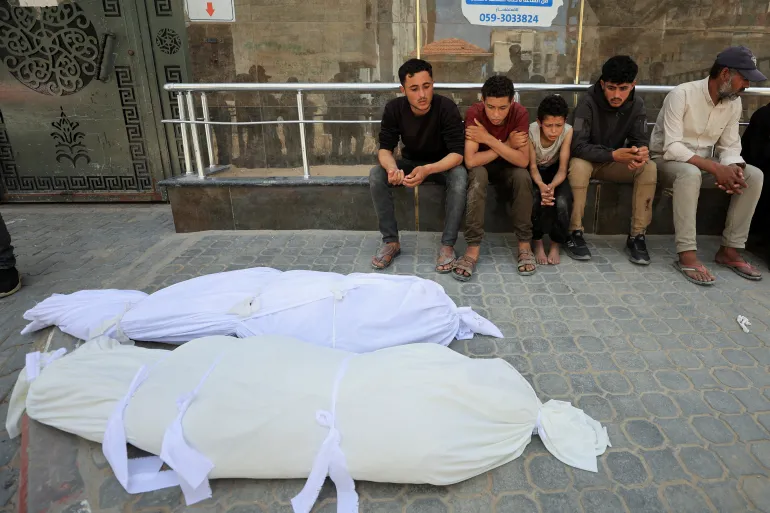
Gaza war ceasefire killings are continuing despite an active truce, with fresh reports of Israeli airstrikes and shootings causing civilian deaths across multiple parts of the Gaza Strip, including children and displaced families.
According to Daljoog News analysis, the ongoing violence during a declared ceasefire reflects deep enforcement gaps on the ground, where security claims and military actions continue to clash with humanitarian protections.
The situation is worsening an already severe humanitarian crisis, as widespread displacement, destroyed infrastructure, and limited access to healthcare leave civilians increasingly vulnerable.
What Happened?
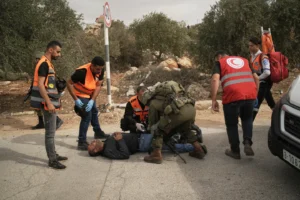
Gaza war ceasefire killings were reported in several areas across the territory. In northern Gaza’s Beit Lahia, a drone strike killed two brothers, according to local accounts. In the Zeitoun area, a nine-year-old child was shot dead during Israeli military activity.
In Khan Younis, another Palestinian civilian was killed in a separate incident. Meanwhile, in the Al-Maghazi refugee camp, homes and tents were reportedly fired upon, leaving several people injured.
Residents in affected areas say the incidents are occurring in zones that are expected to be under reduced military activity according to ceasefire arrangements. However, Israeli authorities have stated that some individuals crossed what they describe as a “Yellow Line” and approached military positions, which they considered an immediate threat.
Despite the ceasefire framework, Gaza war ceasefire killings continue to be reported, raising growing concern among local communities about the effectiveness of the truce on the ground.
Why This Matters
The continuation of the Gaza war ceasefire killings highlights the fragility of ceasefire agreements in active conflict zones. When civilian deaths occur during supposed pauses in fighting, it undermines trust and complicates diplomatic efforts to stabilize the situation.
The humanitarian consequences are becoming increasingly severe. Large-scale displacement has left many families without shelter, while destroyed infrastructure has crippled access to essential services.
Healthcare systems are under extreme pressure. Hospitals and clinics are struggling with shortages of equipment, medicine, and operational capacity, making it difficult to treat both injuries and ongoing medical needs.
The situation is especially critical for vulnerable groups, including women, children, and the elderly, who face higher risks due to a lack of shelter and limited access to care.
What Analysts or Officials Are Saying
Residents argue that the Gaza war ceasefire killings show the ceasefire is not being fully respected, pointing to continued strikes and shootings in multiple areas.
The Israeli military maintains that its operations are defensive and targeted, stating that action is taken when individuals are perceived to pose a direct threat near restricted zones.
International humanitarian organizations have raised an alarm over the scale of civilian casualties. According to UN Women, more than 38,000 women and girls were killed in Gaza between October 2023 and December 2025, with an estimated average of at least 47 female deaths per day during the conflict period.
Officials from humanitarian agencies describe the level of female casualties as unusually high compared to previous conflicts in the region. They also note that limited data collection in active war zones makes it difficult to verify exact figures.
The World Health Organization has also warned that more than 500,000 women are currently lacking access to essential healthcare services in Gaza, worsening the long-term humanitarian outlook.
Daljoog News Analysis
Gaza war ceasefire killings reflect a widening gap between diplomatic agreements and operational realities on the ground. While ceasefires are designed to reduce violence, the lack of consistent enforcement mechanisms often leaves civilians exposed to ongoing risks.
The repeated incidents suggest that security definitions of “threats” and civilian interpretations of “safe zones” are increasingly misaligned. This mismatch is contributing to continued casualties even during periods officially described as de-escalation.
The broader humanitarian impact is becoming structural rather than temporary. With infrastructure destroyed and healthcare systems overwhelmed, recovery will require far more than short-term ceasefire compliance.
What stands out most is that even limited military activity during ceasefires is enough to sustain high civilian casualty levels, particularly in densely populated and displaced communities.
What Happens Next
The future of Gaza war ceasefire killings will depend on whether monitoring and enforcement mechanisms can be strengthened to reduce incidents in civilian areas.
Humanitarian agencies are expected to continue pushing for safer access routes, expanded medical support, and clearer protection guarantees for displaced populations.
However, if incidents continue at the current rate, international pressure is likely to grow for stronger intervention frameworks or revised ceasefire terms.