

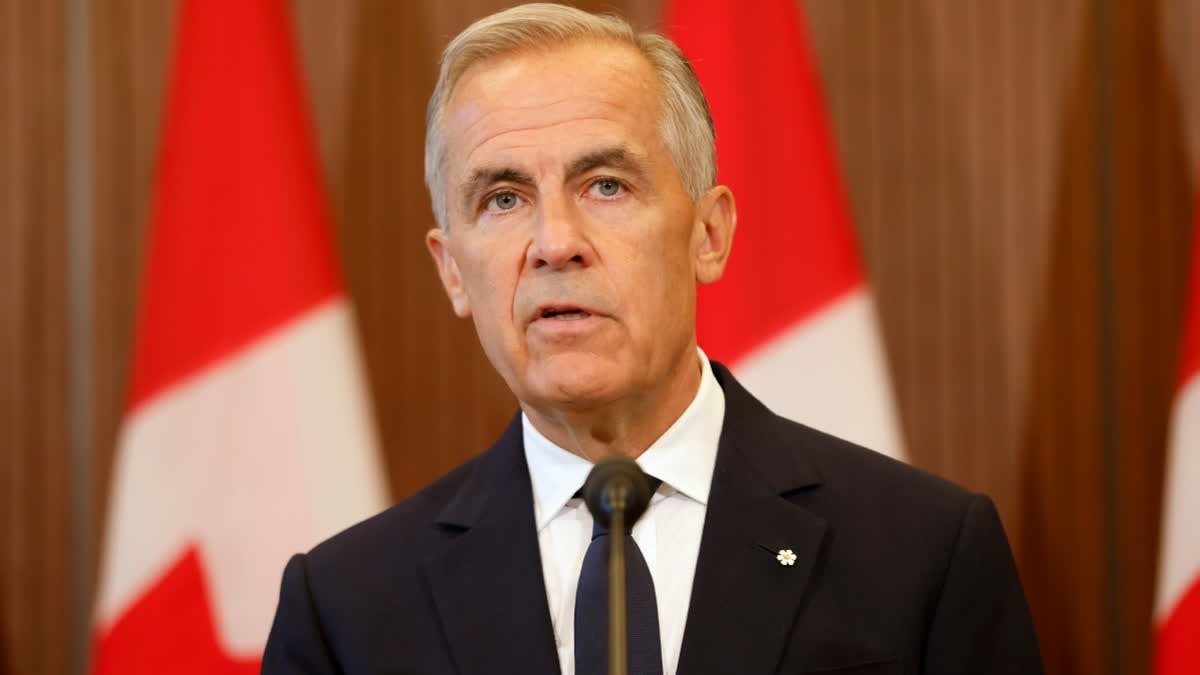
Canadian Prime Minister Mark Carney has signaled his government’s determination to respond firmly to today’s implementation of new American import bans targeting Canadian alcohol, dairy products, and motorcycles, even while acknowledging in a recent video address that his country’s necessary shift away from heavy reliance on American trade will inevitably come at a genuine economic cost. This candid acknowledgment reflects the difficult balancing act facing Canadian officials, who must respond forcefully enough to protect domestic political credibility and affected industries while recognizing the substantial economic disruption that reduced integration with Canada’s historically largest trading partner will likely produce across numerous sectors.
The dispute has escalated considerably since Canada’s implementation of retaliatory tariffs on approximately twenty-eight billion Canadian dollars worth of American goods, a move that directly preceded Washington’s decision to shift from tariffs toward outright import bans on specific Canadian product categories. This pattern of escalating countermeasures illustrates how quickly trade disputes between even historically close allies can intensify once both governments commit to responding to each successive measure with their own additional retaliatory actions, creating a cycle that has proven difficult to break without some form of direct negotiated resolution.
Canadian officials have indicated interest in eventually resolving the broader dispute through renewed negotiations, though talks reportedly collapsed in late August without producing an agreement, and no new formal negotiating sessions have been scheduled since that breakdown occurred. This negotiating impasse leaves both countries in an uncertain position, with escalating trade restrictions continuing to affect businesses and consumers on both sides of the border even as officials from both governments have publicly expressed at least some interest in eventually finding a path back toward productive dialogue.
The Canadian government faces particular pressure from domestic industries directly affected by the new American restrictions, including alcohol producers, motorcycle and moped manufacturers, and dairy processors who have built substantial business relationships around American export markets over many years of close economic integration. These industries now face the immediate challenge of identifying alternative markets for products previously destined for American consumers, a transition that industry representatives acknowledge will likely require considerable time and investment to fully accomplish even under the most favorable circumstances.
Some Canadian provinces have taken their own additional actions throughout this dispute, including earlier decisions to remove American alcoholic beverages from provincially operated liquor store shelves, actions that American officials have specifically cited as justification for the shift toward outright import bans rather than simply higher tariffs on Canadian products. This provincial-level action illustrates the multi-layered nature of Canada’s federal system, where individual provinces retain meaningful authority over certain trade-related policies even as the federal government manages the overall bilateral relationship with the United States.
Political analysts note that Carney faces genuine domestic political pressure to demonstrate resolve in defending Canadian economic interests, even while recognizing that prolonged trade disruption with the United States carries real economic costs for Canadian businesses and workers across numerous affected industries. This tension between projecting strength and managing genuine economic consequences represents a familiar challenge for leaders navigating trade disputes with significantly larger trading partners, where asymmetric economic dependence can complicate efforts to negotiate from a position of full strength and leverage.
As this trade dispute continues without a clear resolution timeline, both governments appear to be settling into what could become an extended period of strained economic relations between two countries that have historically maintained one of the world’s most integrated bilateral trading relationships. Whether renewed negotiations eventually emerge to address the underlying disputes driving this escalation, or whether both countries continue adapting to a fundamentally altered and more restricted trading relationship, will likely become clearer only as both governments navigate the coming weeks and months of this genuinely consequential economic and diplomatic challenge.