


Electric ferries are beginning to reshape parts of the passenger transport sector in the United States, offering a possible alternative to vessels powered by traditional diesel engines. The development is attracting attention as cities and transport operators look for ways to reduce pollution, improve air quality and modernise services that connect communities across rivers, bays and coastal areas.
Ferries play an important role in many communities because they provide transport routes that roads and bridges cannot always replace. They can help commuters reach workplaces, connect residents with nearby towns and carry visitors to destinations that would otherwise require longer journeys. However, conventional vessels often rely on diesel engines, which produce emissions and contribute to local air pollution.
Electric propulsion offers a different approach. Instead of burning fuel during normal operation, an electric ferry uses batteries to power its motors. This can reduce direct emissions from the vessel and may also lower noise levels, creating a more comfortable experience for passengers and people living near busy waterfronts.
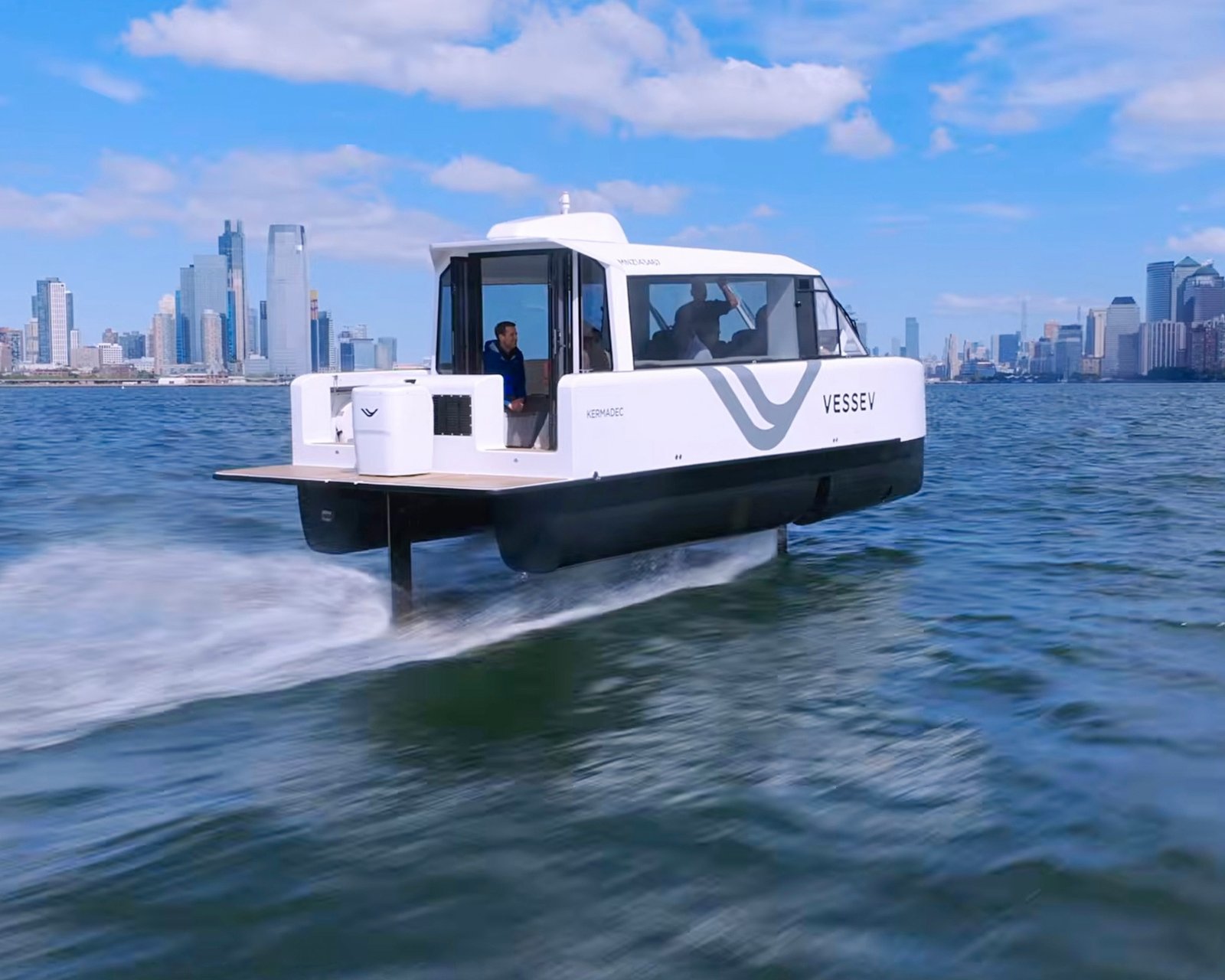
Some new designs are exploring more advanced technologies. The Guardian’s report highlights a growing wave of electric ferry projects in the United States, including vessels that use innovative approaches to movement through water. Certain designs can lift part of the vessel above the surface, reducing resistance and potentially improving efficiency. These technologies are still developing, but they demonstrate how marine transport could change as engineering improves.
The transition is not without difficulties. Battery-powered vessels require charging infrastructure, and operators must ensure that boats have enough energy to complete their routes safely. The distance travelled, passenger numbers, weather conditions and the availability of charging facilities all affect how practical an electric ferry can be.
The cost of building new vessels can also be a barrier. Electric boats may require expensive battery systems and specialised equipment. Operators must compare these initial costs with possible long-term savings from reduced fuel use and lower maintenance requirements. Government support and investment from transport authorities may help make projects more financially viable.
The environmental benefits also depend on how electricity is produced. A ferry charged using renewable energy can offer a stronger reduction in overall emissions than one relying on electricity generated mainly from fossil fuels. Even so, electric propulsion can help improve air quality around ports and busy waterfronts because it avoids direct exhaust emissions during operation.
For passengers, the changes may be less visible than they are for operators. People will still board a vessel, travel across the water and arrive at their destination. However, quieter engines and cleaner air around terminals could improve the everyday experience of ferry travel.
Electric ferries may also support tourism. Coastal communities and cities with attractive waterfronts can use modern vessels to offer visitors a more sustainable way to explore local areas. If services are reliable and convenient, they could become part of wider public transport networks rather than functioning only as tourist attractions.
The transition will take time because many existing ferry fleets have long operating lives. Replacing them requires planning, funding and suitable charging systems. Operators must also consider how new vessels perform during peak travel periods and in difficult weather.
Electric ferry development shows how the shift toward cleaner transport is expanding beyond cars and buses. Water transport presents its own technical challenges, but improvements in batteries and vessel design are creating new possibilities. If investment continues, electric ferries could become a more familiar part of passenger travel in the years ahead.