

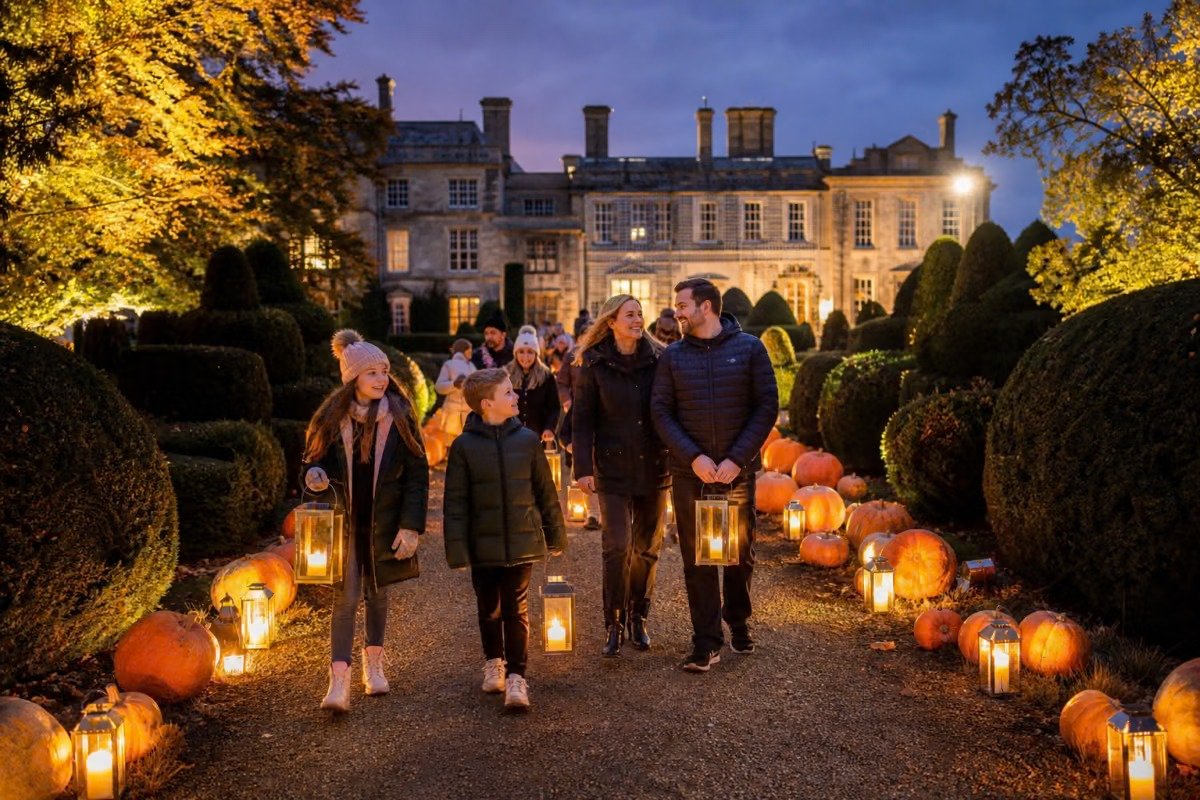
Halloween events are drawing families to historic estates across Britain during the October half-term holiday. Seasonal trails, lantern walks and themed activities are offering visitors a different way to explore old buildings and gardens. The events also give heritage organisations a chance to attract people during autumn, when shorter days and cooler weather can make ordinary visits less appealing. For local businesses, the increase in visitors can provide an important boost before the quieter winter period.
Many estates design their activities for different age groups. Younger children may follow simple trails and look for seasonal decorations, while older visitors can take part in evening walks or more detailed historical activities. Some events use storytelling and lighting to create a spooky atmosphere without relying on frightening scenes. Clear descriptions of age suitability help families choose experiences that match their children’s interests and comfort levels.
The events can also support the work of heritage organisations. Historic buildings and gardens require ongoing maintenance, specialist repairs and careful conservation. Ticket income and visitor spending can help cover some of these costs. Cafes, gift shops and nearby businesses may benefit when people stay longer in the area, creating an economic effect beyond the attraction itself.
Organising seasonal events at historic sites requires careful planning. Older buildings may have narrow staircases, uneven floors and restricted areas, while gardens can become slippery after rain. Event organisers need to manage crowd movement, lighting, emergency access and accessibility. Visitors should check booking details and practical information before travelling, particularly for events that take place after dark or have limited entry times.
Autumn activities can also encourage people to learn about local history in an informal way. A guided walk may reveal details about a building’s past, while themed displays can introduce visitors to old customs and seasonal traditions. These experiences can make heritage more approachable for people who do not usually attend formal tours or exhibitions.
The popularity of Halloween events reflects a wider interest in experiences that combine entertainment with a sense of place. Families often look for activities that allow them to spend time together, take photographs and explore somewhere new. Historic estates can respond to that demand while protecting the buildings and landscapes that make them distinctive.
Visitors also have a role in keeping events sustainable. Following marked paths, disposing of rubbish properly and respecting restricted areas can reduce damage and help protect wildlife. Organisers, meanwhile, need to ensure that the commercial value of a busy event does not outweigh conservation priorities.
Britain’s Halloween season shows how historic attractions can adapt to modern interests while preserving their original purpose. With careful planning, seasonal events can provide family entertainment, support local economies and introduce more people to the country’s heritage. The challenge is to maintain that balance as visitor demand grows.