
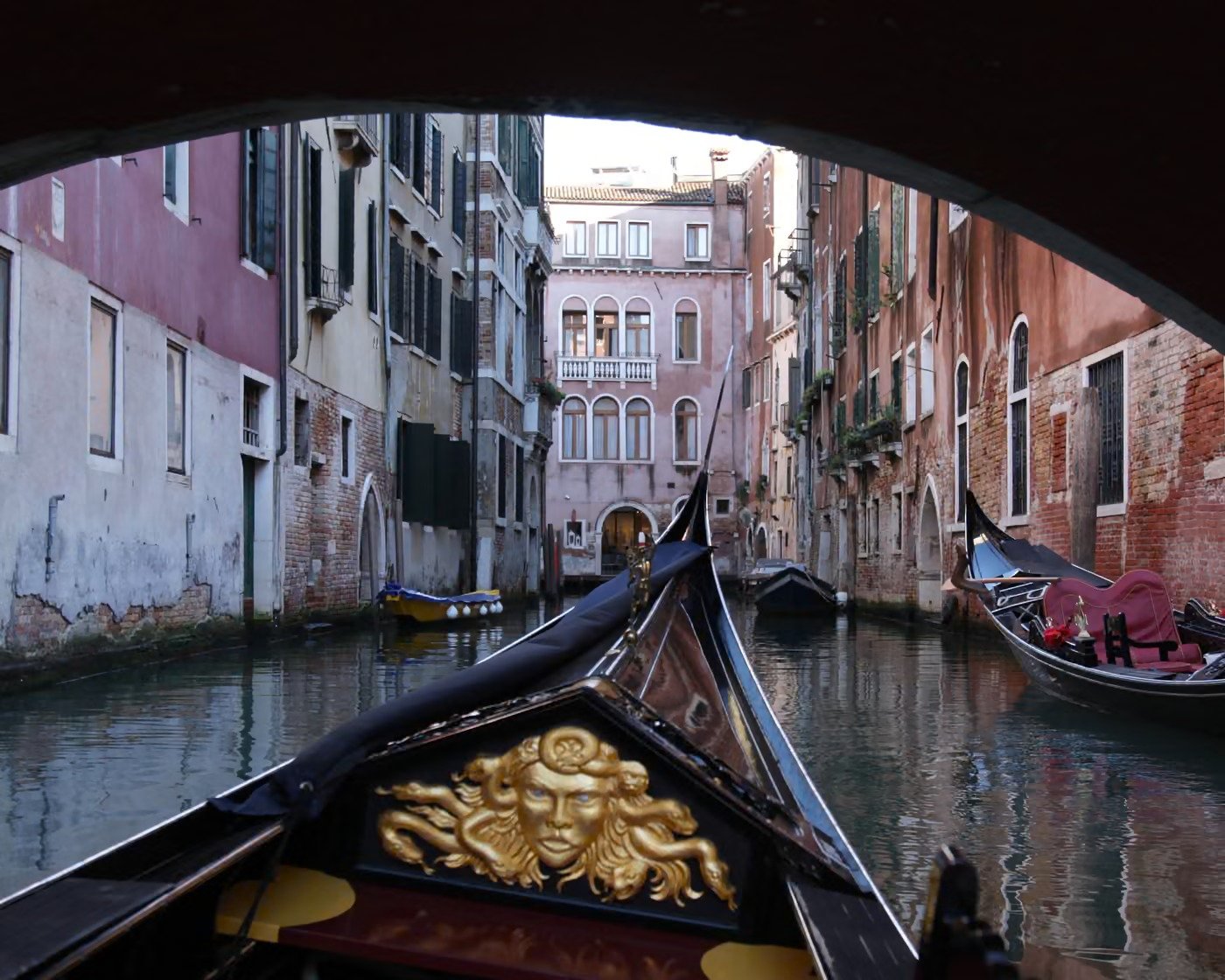
Venice’s lagoon is a striking example of how water, land and seasonal changes shape a coastal environment. The shallow lagoon around the Italian city developed over a long period through the movement of sediment, tides and the growth of natural habitats. Its landscape continues to change with the seasons, creating patterns of colour and vegetation across wetlands and marshes. Yet the same environment also faces pressure from rising seas, erosion and the needs of a major tourist destination.
The lagoon is not simply a scenic setting for Venice. It supports wildlife, provides habitat for birds and fish, and helps maintain the ecological balance of the wider coast. Wetlands can slow the movement of water, trap sediment and offer shelter for many species. These functions matter in an area where land and sea are closely connected and where even small changes can affect the local environment.
Seasonal plants can transform parts of the lagoon’s landscape. Some vegetation turns red or orange as temperatures fall and growing conditions change, creating vivid colour across shallow waters and marshes. Such changes can attract photographers and visitors, but they also reflect the natural cycles that support wetland ecosystems. Observing these patterns can help people understand that coastal landscapes are living systems rather than fixed views.
Venice faces long-term risks from higher sea levels and extreme water events. Flooding can damage buildings, disrupt transport and place pressure on residents and businesses. Barriers and other engineering measures can reduce some risks, but they cannot remove every threat. The city must also consider how climate change, land use and tourism affect its ability to protect historic areas and natural habitats.
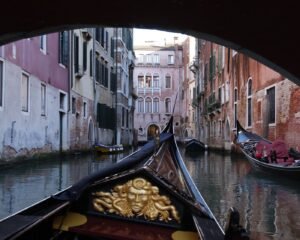
Tourism provides important income for Venice, yet large numbers of visitors can put pressure on streets, transport and public services. The challenge is to support the local economy while protecting the environment and preserving the quality of life for residents. Sustainable planning may involve managing visitor flows, supporting local businesses and making sure that conservation remains part of decisions about development.
Wetland protection is another important part of the response. Healthy marshes can help absorb water and support biodiversity, but they need suitable conditions to survive. Pollution, changes in water movement and damage to vegetation can weaken these natural functions. Environmental monitoring and restoration projects can help officials understand where intervention is needed and how to protect the lagoon over time.
Local communities have a central role in this work. Residents, scientists, conservation groups and public authorities can share knowledge about changes in water levels, wildlife and land. Public education can also help visitors understand why certain areas need protection and why access may be limited at times. A stronger connection between tourism and conservation can make environmental care part of the experience of visiting Venice.
The lagoon shows how beauty and vulnerability can exist together. Seasonal colours may draw attention to the landscape, but the long-term health of the area depends on careful management and climate action. Protecting Venice requires more than defending its famous buildings. It also means preserving the wetlands, waterways and natural processes that have shaped the city for centuries.