

The United Kingdom and Caribbean nations have agreed to begin structured discussions on slavery reparations within the next 12 months. The decision followed talks at the Commonwealth Heads of Government Meeting, where leaders discussed how to address the long-term effects of slavery and colonial rule. Antigua and Barbuda’s Prime Minister Gaston Browne welcomed the agreement as a step towards a formal process.
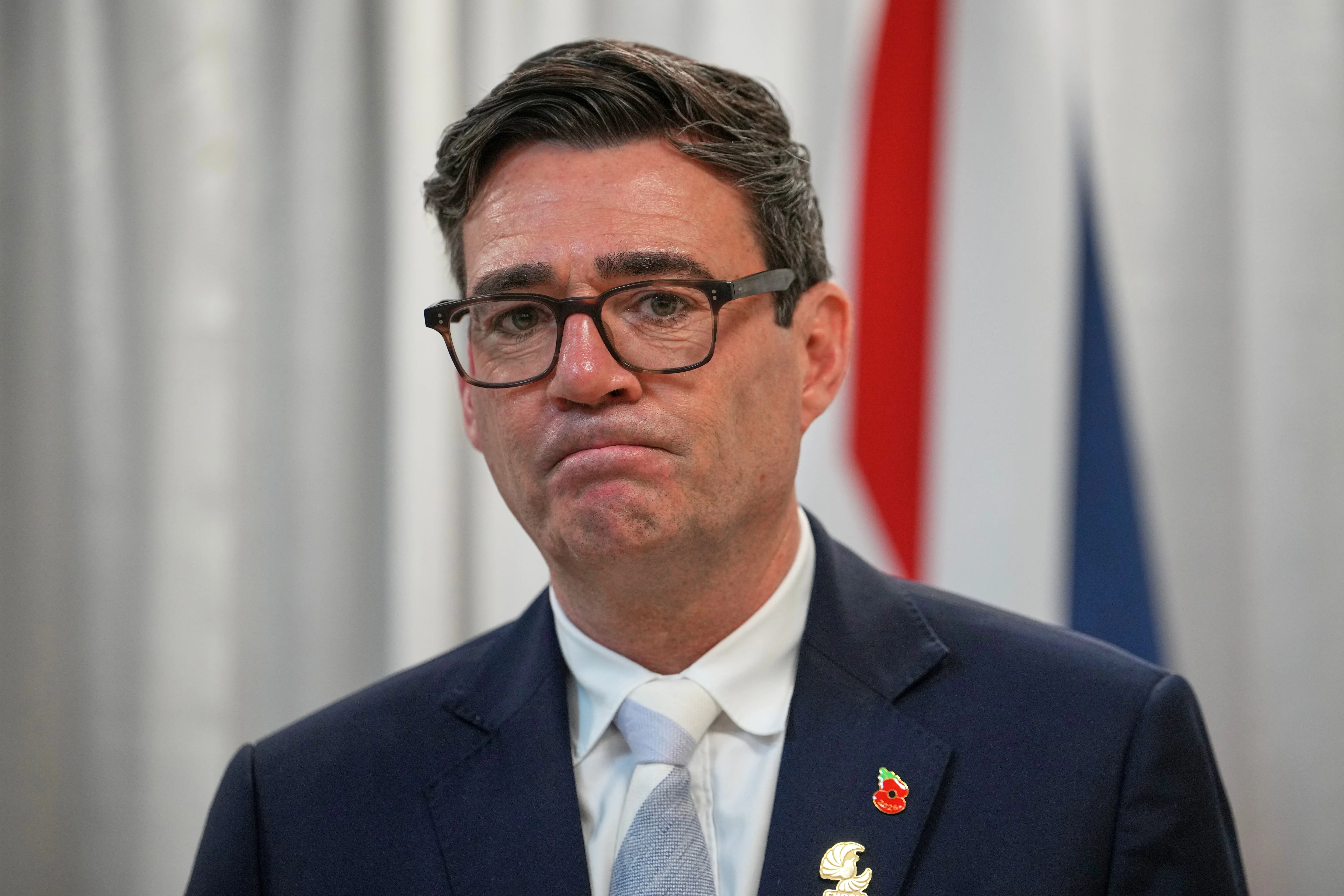
UK Prime Minister Andy Burnham has expressed a willingness to take part in discussions, although he has ruled out direct financial reparations. His government has instead proposed talks about debt restructuring and infrastructure support. The plan includes £40 million in funding for Caribbean infrastructure over three years, but Caribbean leaders say this should not replace a wider discussion about reparative justice.
The Caribbean Community, known as CARICOM, has developed a 10-point plan that sets out its demands. The proposals include debt cancellation, financial compensation, environmental repair and support for communities affected by the lasting impact of slavery. The plan also calls for action on the social and economic consequences that continue to affect parts of the region.
Browne said both sides had agreed in principle to create a framework for dialogue by the end of 2026 or early 2027. The process is expected to provide a space for governments to discuss the issues and decide how future work should be organised. However, there are still major differences over what the talks should achieve.
Some Caribbean leaders have warned that development assistance cannot be treated as a replacement for reparations. Former St Vincent and the Grenadines Prime Minister Ralph Gonsalves argued that debt relief and aid do not fully address the historical demands being raised. Campaigners have also said that communities affected by slavery should have a central role in deciding what meaningful repair would involve.
The debate has been part of Commonwealth discussions for years. Caribbean leaders have argued that the wealth created through slavery helped shape modern economies, while its effects continued long after the end of the system. The UK has faced calls to acknowledge this history and take part in discussions about its consequences.
The planned dialogue does not mean that an agreement on reparations has been reached. It creates an opportunity for both sides to discuss their positions and consider possible steps. The next challenge will be turning the commitment into a process that Caribbean nations see as meaningful and that the UK is willing to support.