


China’s economy showed signs of slowing in October as industrial production and retail sales increased at a weaker pace than economists had expected. Official figures released on Monday showed that industrial output rose 4.8% compared with the same month last year, down from 5.5% in September. Retail sales increased by just 0.4%, missing forecasts despite the country’s major shopping period and a week-long national holiday. The figures have raised fresh questions about the strength of domestic demand and the ability of the world’s second-largest economy to maintain its growth momentum.
Weak consumer confidence and pressure in the property market continue to affect household spending. Many Chinese consumers remain cautious about making large purchases because of uncertainty surrounding employment, income and housing values. The property sector has been struggling for several years, and falling home prices have made some households less confident about their financial position. Analysts say these conditions are limiting the impact of government efforts to encourage people to spend more and support domestic businesses.
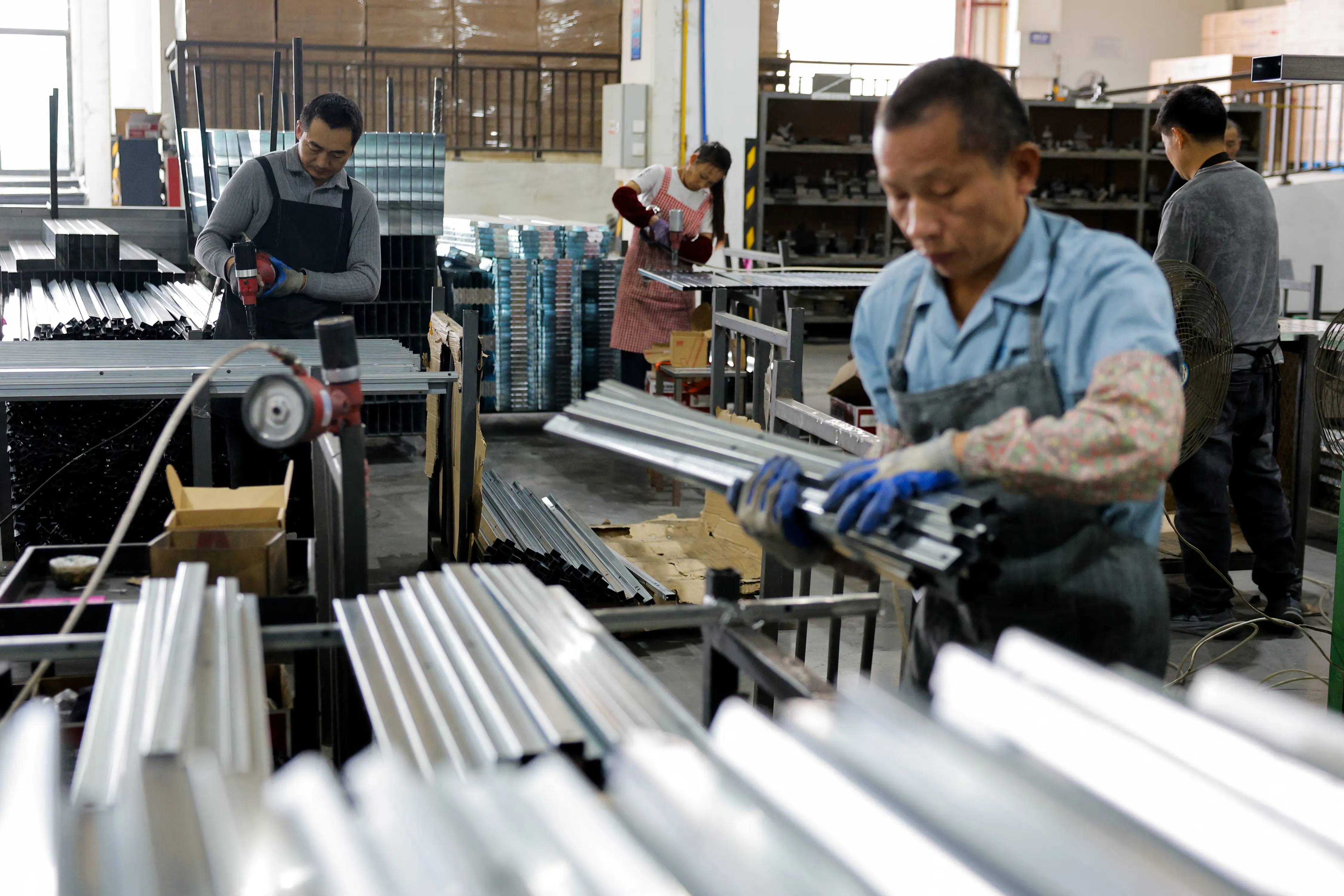
The weakness is also visible in investment figures. Property investment fell 21.6% during the first 10 months of the year, while fixed-asset investment declined 8.1%. New home prices continued to fall, although the urban unemployment rate edged down to 5.1%. Factory surveys have also shown weaker orders and declining business confidence, suggesting that manufacturers are facing difficulties despite China’s strong position in international trade. Economists say the government may need to provide further support if domestic demand fails to recover.
Exports have remained an important source of strength, particularly shipments of artificial intelligence-related products and other high-tech goods. Strong overseas demand has helped China remain on track to meet its annual growth target of between 4.5% and 5%. However, economists warn that relying heavily on exports leaves the economy vulnerable to international trade disputes and a possible slowdown in global demand. Policymakers are expected to continue offering targeted support, but the latest figures suggest that a stronger recovery will require improvements in household confidence, consumption and private investment.