


Qatar is making major changes to its international energy strategy as conflict in the Middle East threatens its ability to deliver liquefied natural gas through the Strait of Hormuz. The country has traditionally relied on its enormous domestic gas resources and long-term supply agreements to maintain a strong position in the global market. However, attacks and restrictions affecting shipping routes have forced QatarEnergy to reconsider how it secures customers and protects its future export business.
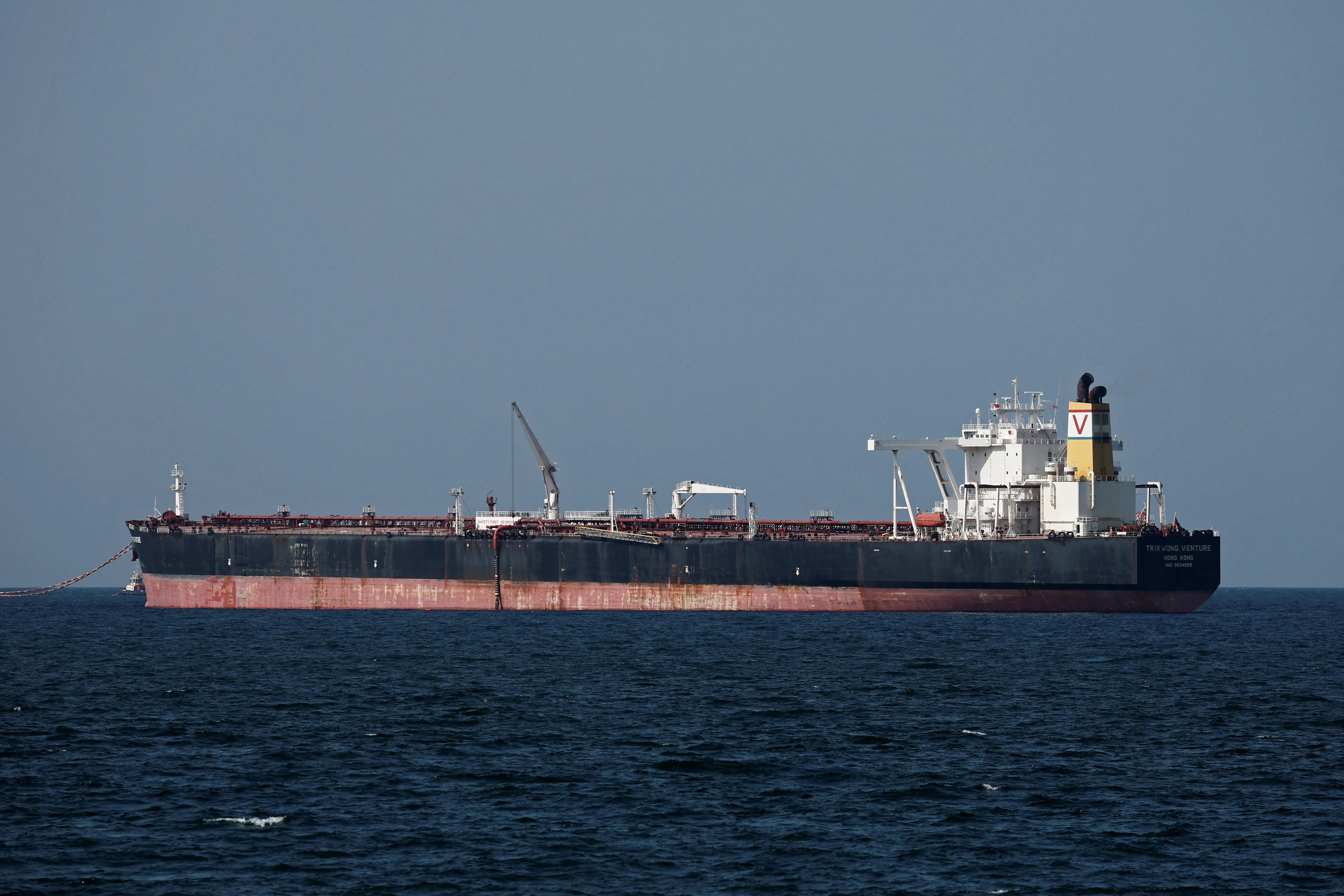
The disruption has created serious difficulties for LNG tankers travelling through the Gulf. Shipments increased to around eight vessels a week during September and October, but the number reportedly dropped to only two in the latest week as security concerns intensified. An attack on a gas carrier earlier in November also highlighted the risks faced by expensive and highly flammable energy shipments. Qatar’s production facilities have suffered damage during the conflict, and repairs to two major processing units are expected to take several years.
At the same time, Qatar faces growing competition from new gas supplies expected to enter the market later this decade. The United States and other producers are preparing large export projects, while renewable energy and battery technology are becoming more competitive in several countries. QatarEnergy had traditionally preferred long-term contracts, sometimes lasting more than 15 years, but some buyers in Europe have become less willing to accept lengthy agreements and restrictions on where gas can be resold. Poland’s Orlen has already announced the termination of one long-term contract after prolonged delivery problems.
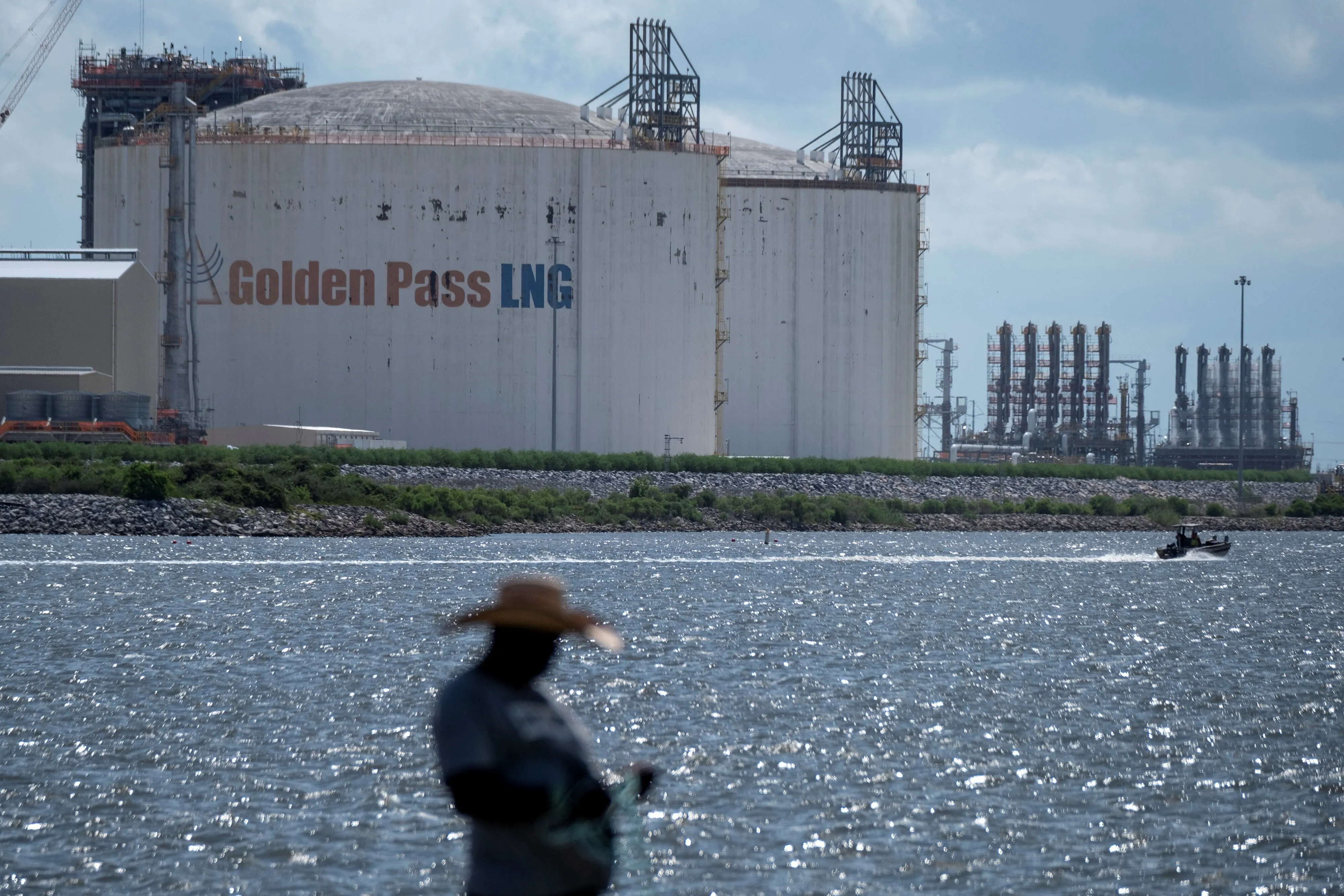
Qatar is responding by securing additional supplies from US projects in Louisiana and Texas, giving it access to gas outside the Gulf. The strategy could protect part of its business if regional shipping remains disrupted, but it also creates risks if global supply becomes much larger than demand. If the Strait of Hormuz reopens and new export facilities begin operating, the market could face a period of lower prices. Qatar’s low production costs may help it remain competitive, but the country’s future influence will depend on how successfully it balances expansion, security and changing customer demands.