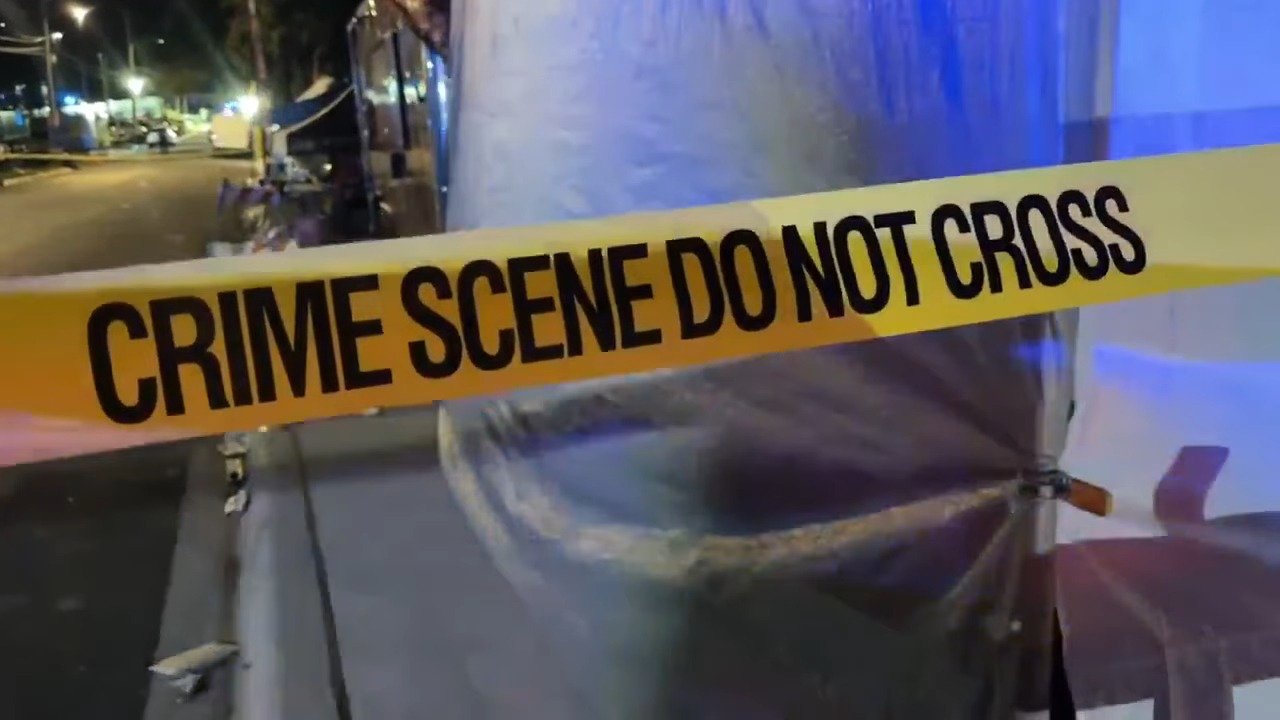



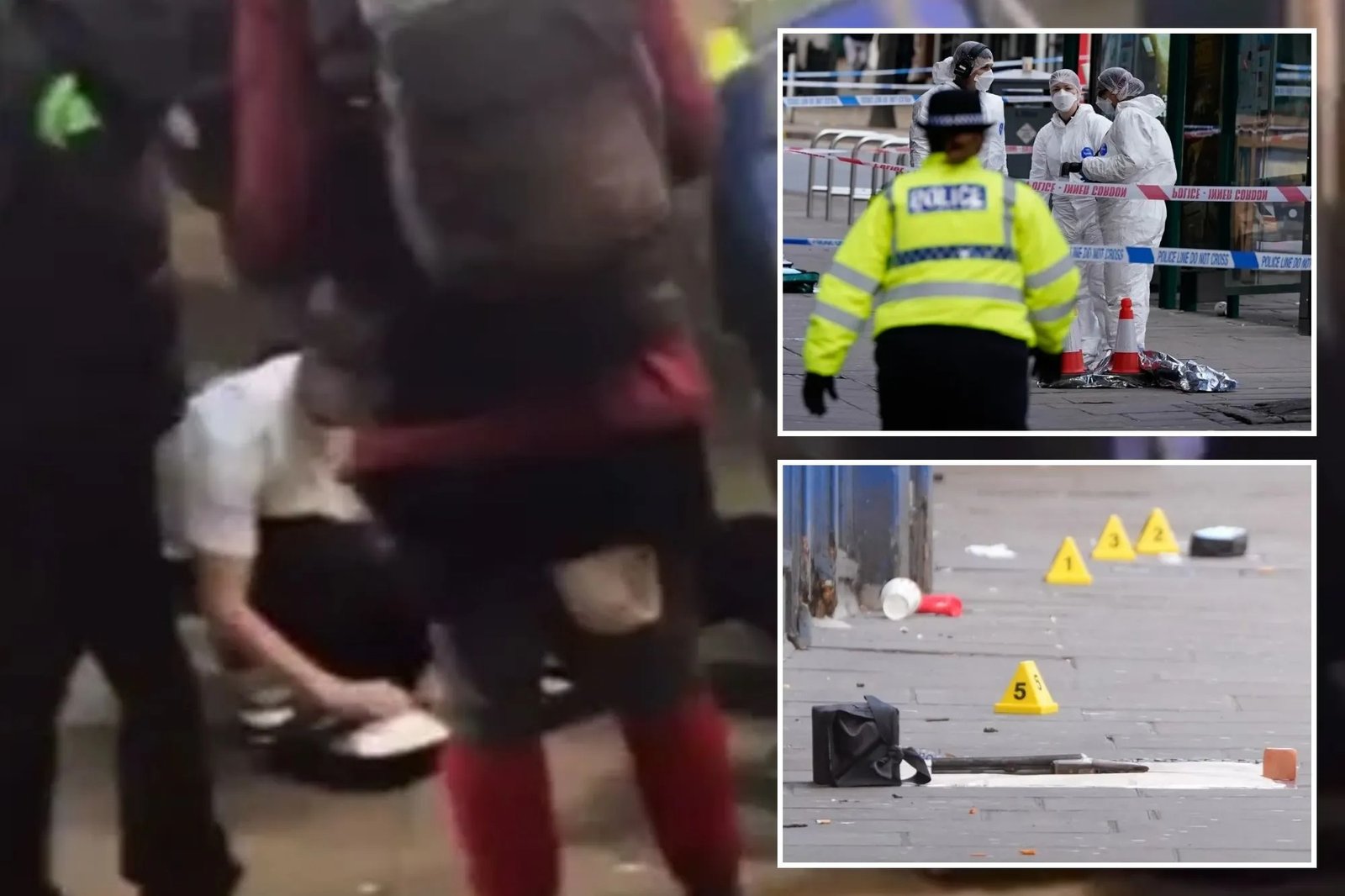
A second man has been charged in connection with the shooting of a police officer in Nottingham city centre, as investigators continue to examine the circumstances surrounding the attack. The officer, PC Lee Lane, was shot at a bus stop on Angel Row during the early hours of October 18. The incident led to a major police investigation and raised concern about violence against officers carrying out their duties.
Police said the officer had approached two people who were acting suspiciously at about 4:50 a.m. The suspects fled after the shooting, and the injured officer was taken to hospital. He remained under medical care, according to the report. Investigators recovered a firearm at the scene and began collecting evidence, interviewing witnesses and tracing people who may have helped those involved.
Jahmal Ruddock-Senior, aged 35, became the second person charged in connection with the case. He was accused of assisting an offender and was due to appear at Nottingham Magistrates’ Court on October 26. A 27-year-old woman, Aisha Zaman, had previously been charged with possessing a prohibited firearm and possessing a firearm with intent to commit an indictable offence. She was remanded in custody after a court appearance on October 23.
The charges reflect different alleged roles in the case. Police and prosecutors must establish what each suspect is accused of doing and whether the available evidence supports the charges. An arrest or charge does not prove guilt, and each defendant has the right to challenge the allegations in court. The legal process will examine the evidence and determine whether the case meets the required standard.
Several other people have also been arrested during the investigation, including individuals suspected of assisting an offender and people suspected of firearm-related offences. Police have continued to appeal for information from the public. Investigators may seek witness accounts, security-camera footage and other material that could help establish what happened before and after the shooting.
Attacks on police officers can have serious effects on the officers, their families and the wider community. Officers often work in unpredictable conditions, and incidents involving firearms create an immediate risk to anyone nearby. The case has also raised questions about how police respond when they encounter suspicious activity in public spaces and what support is available when officers are injured in the line of duty.
The investigation may take time because prosecutors need to build a clear account of events. Investigators must determine how the firearm was obtained, who was present and whether there was any planning or assistance before or after the shooting. They also need to ensure that evidence is gathered lawfully and that witness accounts are checked against other information.
For residents, the case has drawn attention to public safety in a busy city centre. Police appeals can help investigators find people who saw the incident or noticed unusual activity. Members of the public should provide information through official channels rather than make assumptions about suspects or spread unverified claims online.
The second charge is a further step in the investigation, but it does not mean that all questions have been answered. Police continue to examine the evidence, and the courts will decide the outcome of the allegations. The case remains a reminder of the risks faced by emergency workers and the importance of a careful, evidence-based legal process after a serious violent incident.