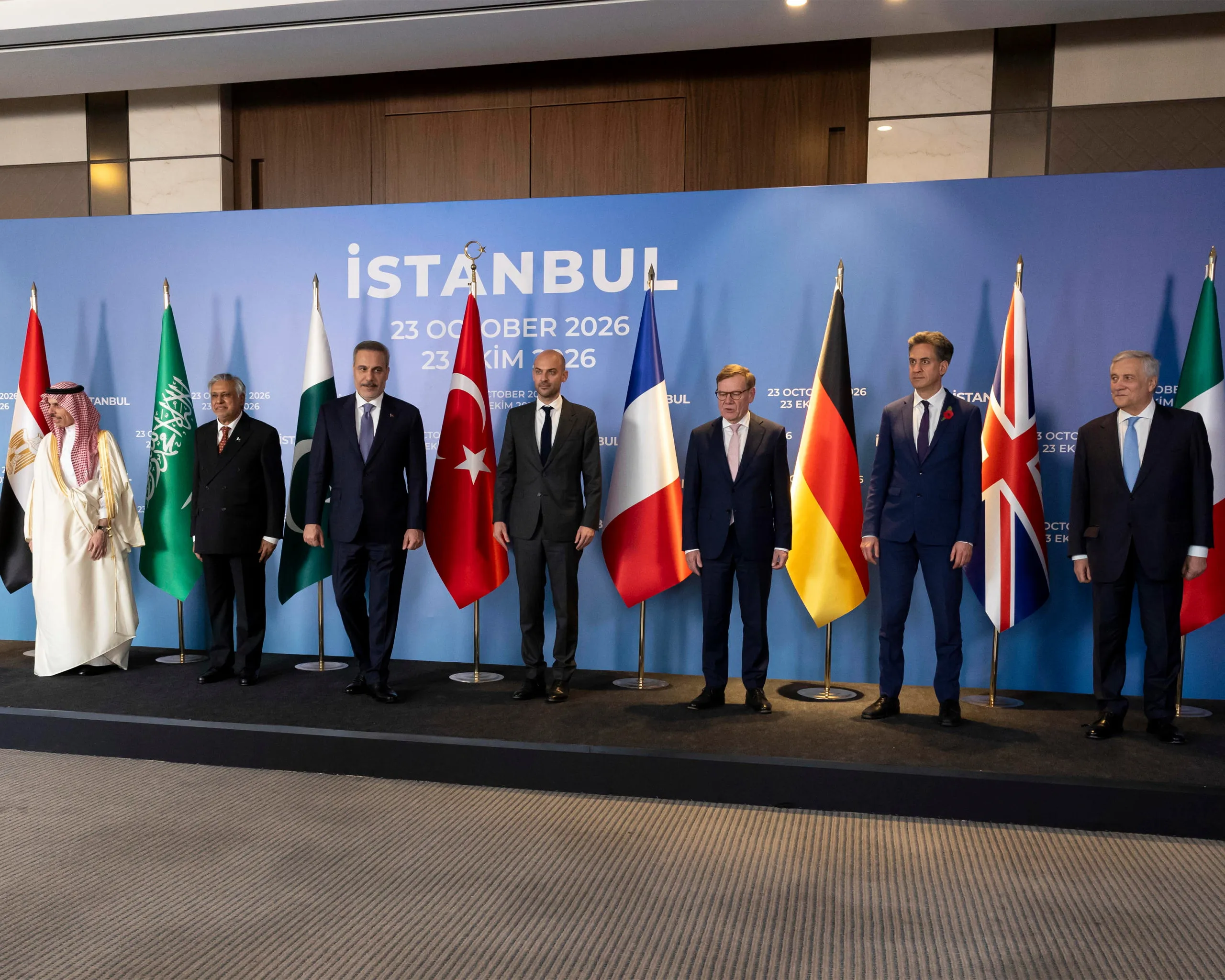

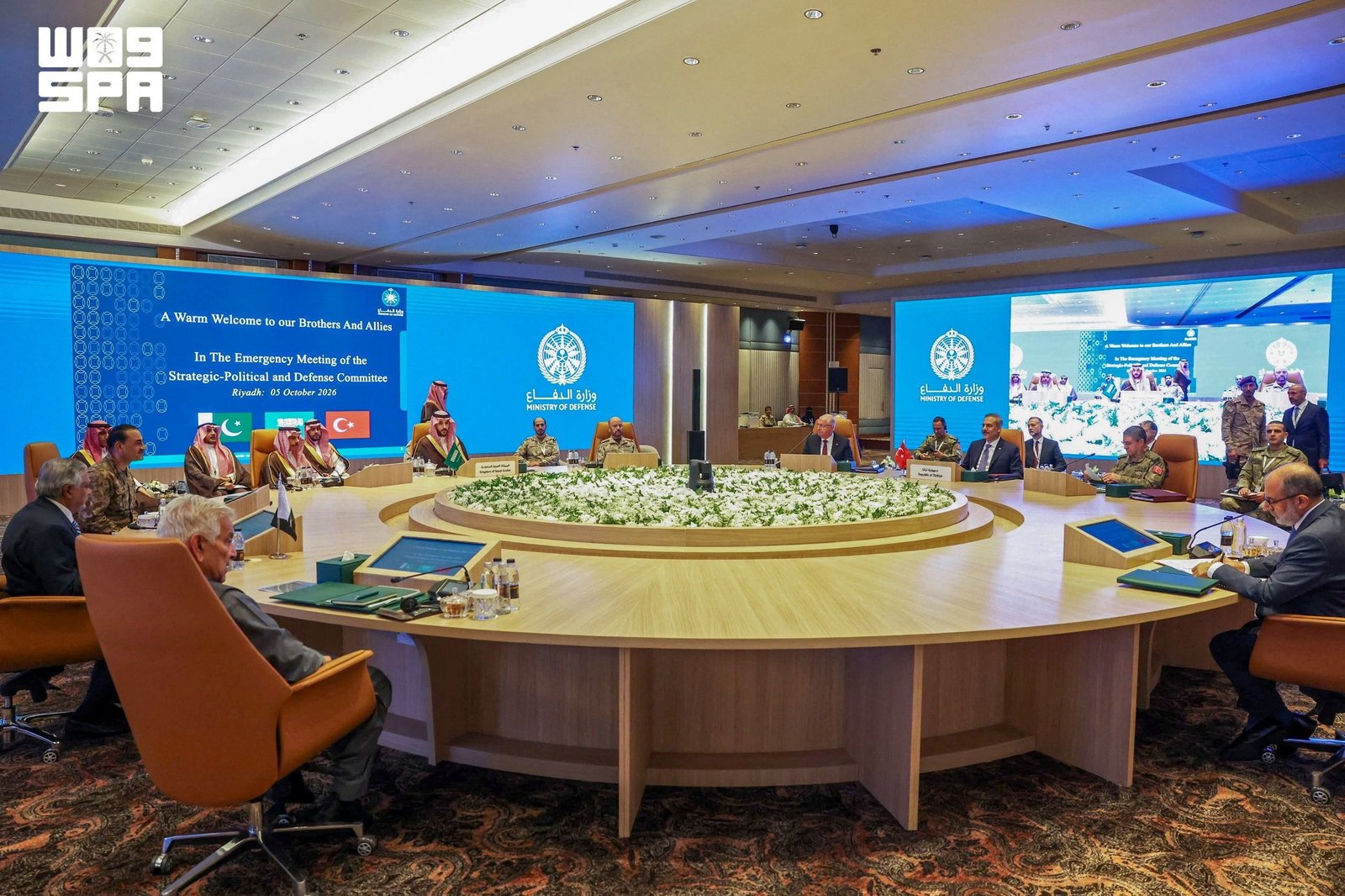
Senior officials from Saudi Arabia, Pakistan and Turkey were due to meet Iranian leaders in Tehran on October 26 as regional tensions continued to rise. The talks mark an important diplomatic contact between countries that have been drawn into a wider crisis involving Iran, the United States, Israel and Yemen’s Houthi movement. The meeting is expected to focus on regional security, the conflict’s wider effects and possible ways to reduce the risk of further escalation.
The three countries are linked through the Mecca Joint Defence Agreement, signed in August. Under the pact, an armed attack on one member is treated as an attack on all. Saudi Arabia and Pakistan have approved the agreement, while Turkey’s ratification process is still under way. The pact is intended to strengthen cooperation, but it also raises questions about how member states will respond if the security situation deteriorates further.
Saudi Arabia has faced repeated missile and drone attacks linked to the Houthis, who are aligned with Iran. The attacks have added pressure to the wider conflict and raised concern about the safety of energy facilities, transport links and civilian areas. Saudi officials have sought support from partners while also looking for ways to prevent the crisis from spreading. The Tehran meeting offers an opportunity to communicate directly with Iranian officials at a time of heightened tension.
Iranian officials said the discussions would cover regional security, Israeli policies, developments in Palestinian territories and Lebanon, and the consequences of US and Israeli military action against Iran. The agenda reflects the wide range of issues connecting the current conflict. What began as a series of confrontations has affected several countries and raised fears that further military action could create additional instability across the Middle East.
Pakistan has played a role in efforts to encourage dialogue between regional powers. Its army chief, Field Marshal Asim Munir, visited Tehran before the meeting and helped propose the talks. Qatar has also been involved in mediation efforts, with officials meeting Iranian representatives in Tehran over the weekend. These efforts show that several governments are trying to keep communication open even as military rhetoric becomes more severe.
Diplomacy faces major obstacles. The parties may disagree over the causes of the conflict, the role of outside powers and the conditions required for a lasting settlement. Earlier efforts to establish a temporary peace arrangement collapsed after fighting resumed. Such failures can make governments more cautious about new agreements, especially when they fear that the other side may use negotiations to gain time or strengthen its position.
The Mecca Pact could become more important if its members decide to coordinate security measures or provide additional support to Saudi Arabia. Ministers from the member states have already discussed the rapid deployment of military capabilities. However, the agreement’s practical meaning will depend on how its members interpret their obligations and whether they can agree on a common response to future attacks.
For regional governments, the priority is to prevent the conflict from expanding while protecting their own populations and infrastructure. A diplomatic meeting cannot resolve every dispute in one day, but direct contact can help clarify positions and reduce the chance of miscalculation. Even limited agreements on communication, security or mediation may create space for further talks.
The Tehran meeting represents a test of whether regional powers can work together despite competing interests. Its success will depend on whether participants can move beyond statements and identify practical steps to reduce tensions. With attacks continuing and the threat of renewed military action hanging over the region, the value of diplomacy will be measured by whether it helps prevent further violence and opens a path toward more stable relations.