

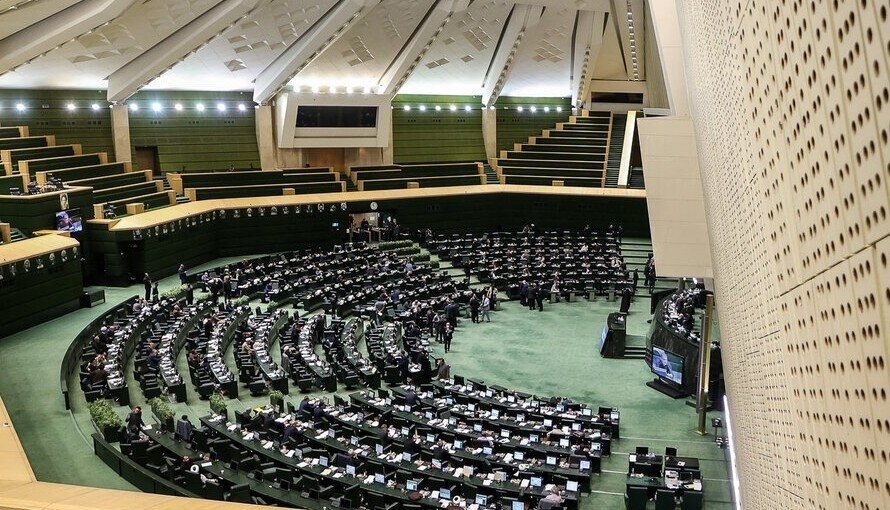
A large group of Iranian lawmakers is pushing to leave a major nuclear treaty. More than one hundred members of parliament signed a statement this week. They want to begin a formal process to exit the agreement.
The treaty in question limits nuclear weapons development around the world. Iran has been a member since the early 1970s. Leaving it would mark a major shift in the country’s nuclear policy.
Lawmakers argue that international rules have failed to protect Iran’s rights. They say the treaty has not stopped threats or attacks against the country’s nuclear sites. This argument forms the core of their push to withdraw.
Under the treaty’s rules, a country can leave if it believes its national security is at serious risk. This requires giving three months’ notice to other member nations. It also requires notifying the United Nations Security Council.
Iranian officials have discussed this option for months. Earlier this year, a top parliamentary spokesman said leaving the treaty was easily achievable. He also suggested Iran could revise its nuclear doctrine if tensions continue rising.
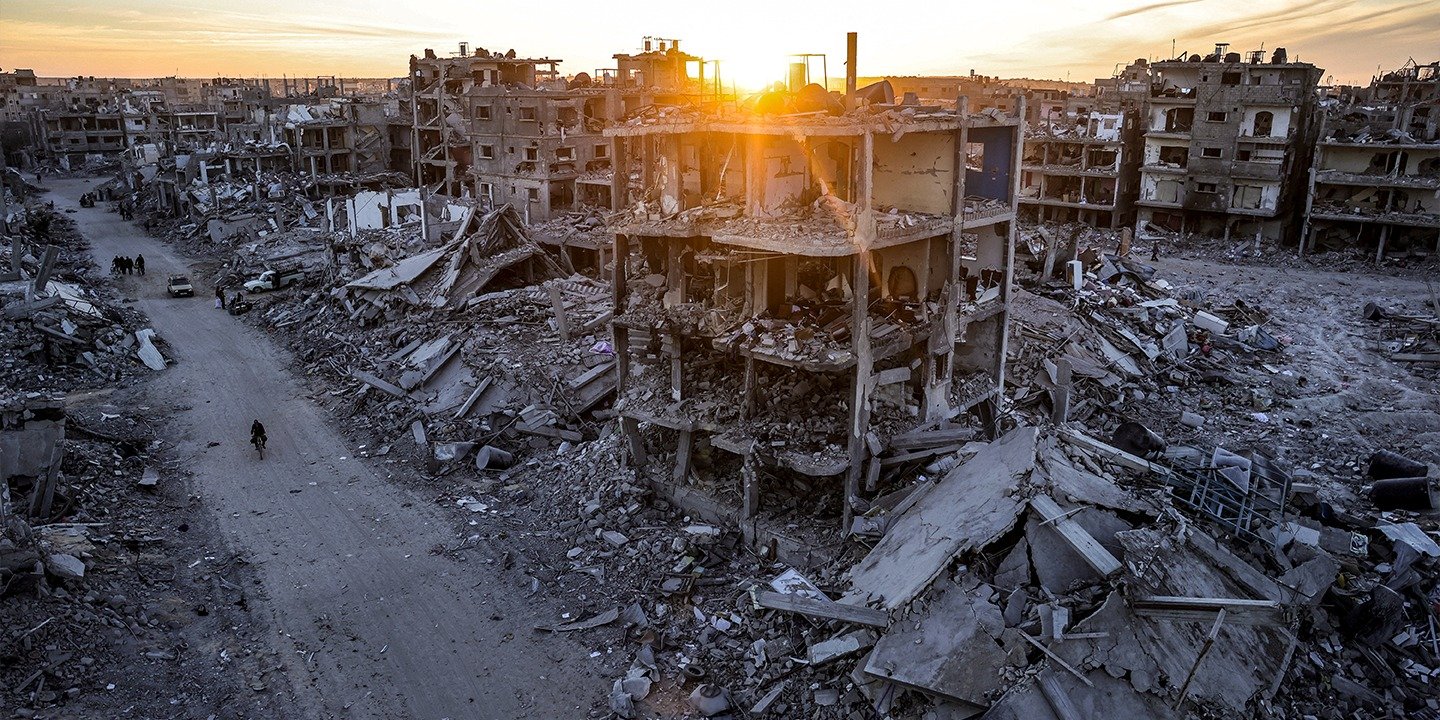
Tensions between Iran and Western countries have remained high. Officials in Iran argue that global powers have shown a pattern of unfair treatment. They point to past military strikes on Iranian territory as proof of ongoing threats.
Some lawmakers have also criticized talks with the United States. One spokesman said any negotiation that weakens Iran’s regional position would count as a serious mistake. He argued that pressure, not diplomacy, is the only language some countries understand.
International observers are watching the situation closely. A formal exit from the treaty could raise global concern about nuclear proliferation. Other countries may respond with new sanctions or diplomatic pressure if Iran moves forward.
Nuclear watchdog groups have long worked with Iran to monitor its program. Continued membership in the treaty allows for international inspections. Leaving would likely reduce outside oversight of Iran’s nuclear activities significantly.
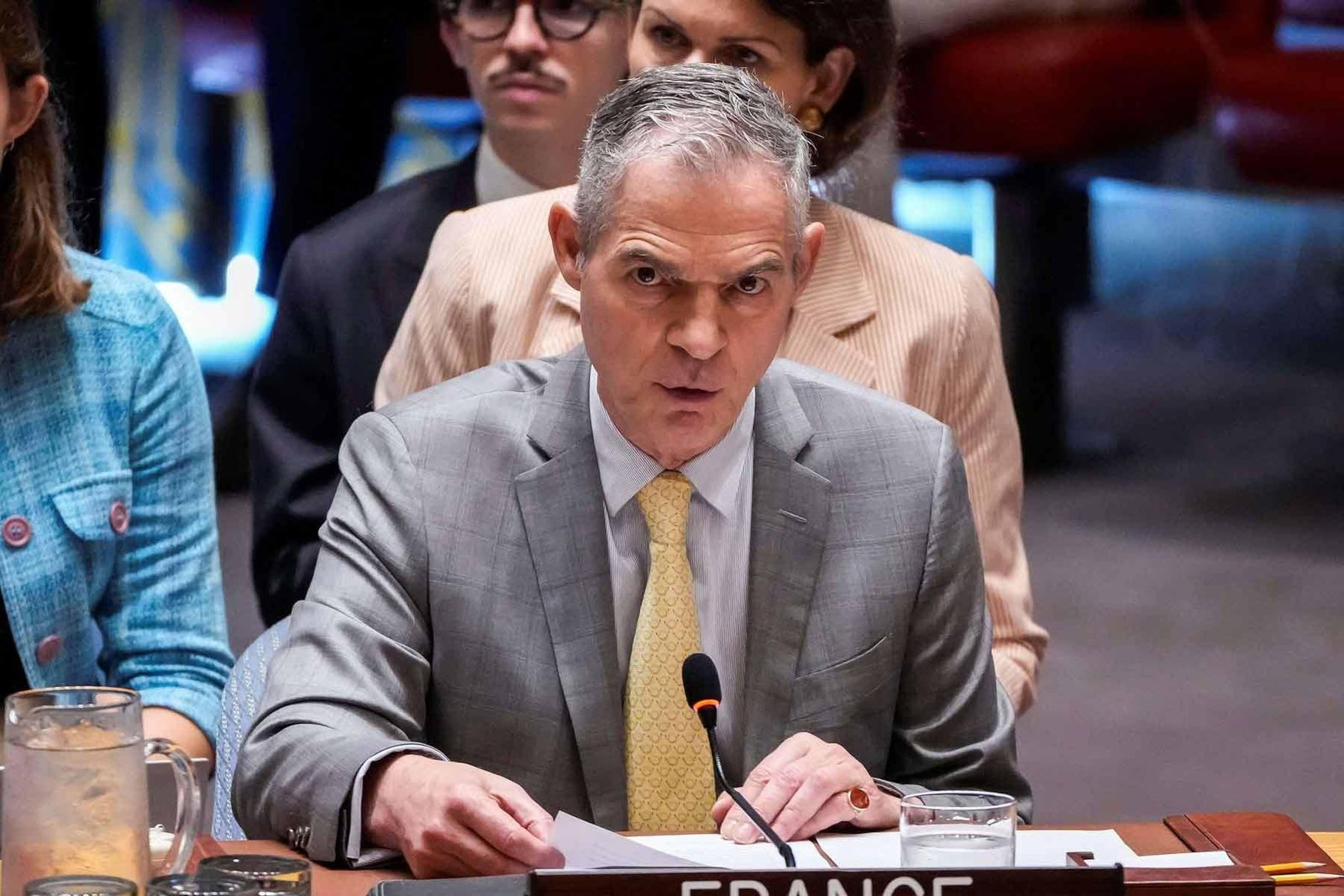
Diplomats from several nations have urged Iran to remain part of the agreement. They argue that staying in the treaty helps maintain global trust and stability. Exiting could deepen mistrust between Iran and much of the international community.
Iran’s government has stated repeatedly that it does not seek nuclear weapons. Officials continue to describe the country’s nuclear program as peaceful. Still, many world leaders remain cautious given the current tensions.
The debate inside Iran reflects a broader struggle over how to respond to outside pressure. Some officials favor staying engaged with international institutions. Others believe stepping back offers more protection and independence.
For now, the push to leave the treaty remains in its early legal stages. Parliament must still take further formal steps before any official withdrawal occurs. The coming weeks are expected to bring more clarity on Iran’s final decision.