


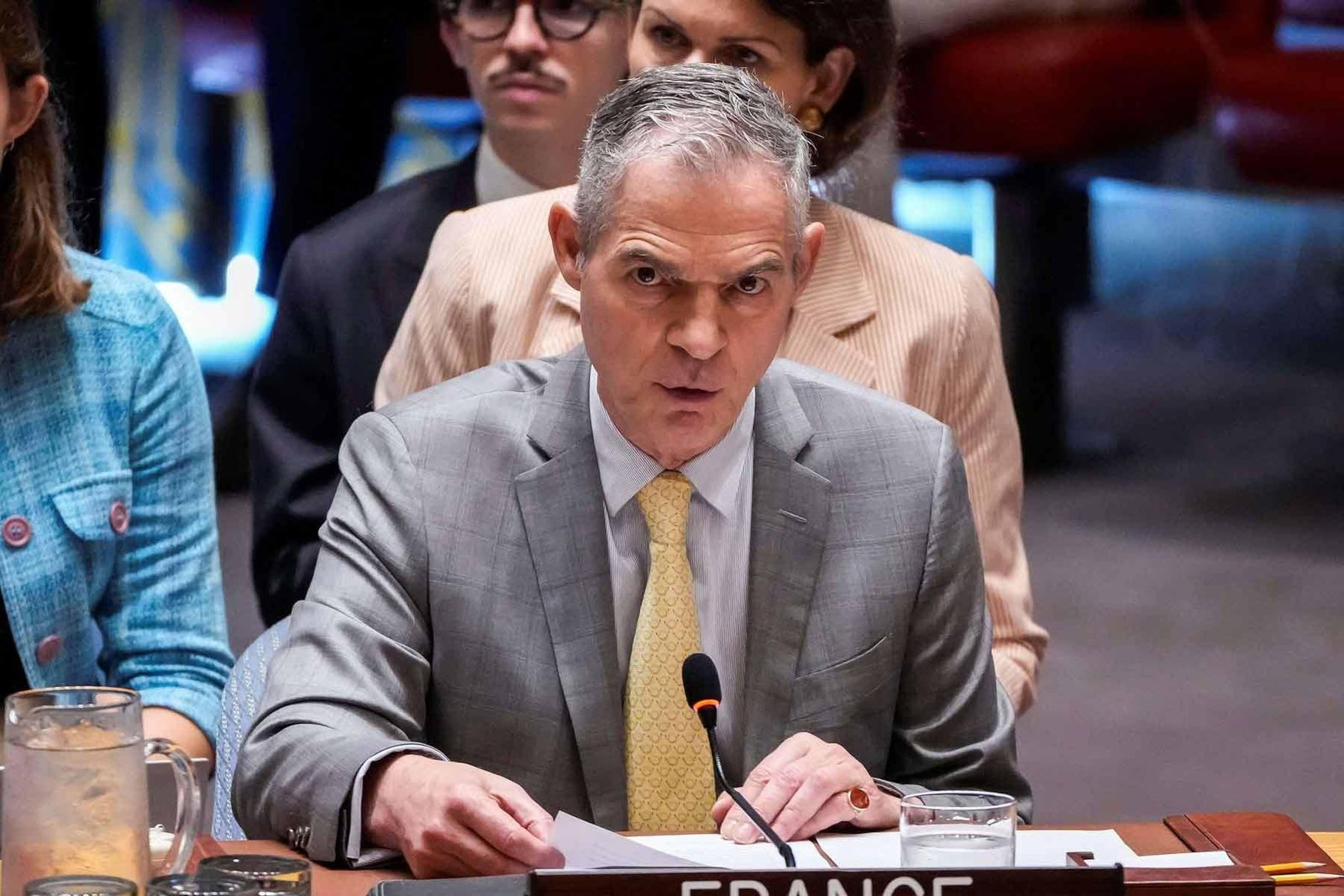
The United Nations Security Council is scheduled to hold a significant UN Council vote Iran sanctions panel proceeding today, addressing the future of a panel of experts responsible for monitoring international sanctions compliance amid the ongoing conflict affecting Iran and the broader region.
This vote arrives at a particularly sensitive moment, with the extended conflict between the United States, Israel, and Iran having stretched well past six months, creating a complex diplomatic backdrop for any Security Council action addressing sanctions related mechanisms and oversight structures.
Panels of experts typically play important technical roles within broader sanctions regimes, providing independent monitoring and reporting that helps Security Council members assess compliance and identify potential violations connected to whatever specific sanctions framework applies to the situation.
Diplomatic sources suggest this vote carries significance beyond routine administrative renewal, given the current geopolitical tensions surrounding Iran and the various permanent Security Council members’ differing perspectives on the appropriate international response to the ongoing conflict.
Russia and China, both permanent Security Council members with historically more cautious positions regarding sanctions pressure on Iran, will likely play significant roles in how this vote ultimately unfolds, given their consistent voting patterns on similar Iran related Security Council matters.
Western Security Council members have generally supported robust sanctions monitoring mechanisms, viewing independent expert panels as valuable tools for maintaining international pressure and ensuring transparency regarding compliance with whatever sanctions framework currently applies to the situation.
This vote occurs against the backdrop of no reported Iranian steps toward withdrawing from relevant international agreements or expelling remaining international atomic energy oversight presence, suggesting at least some continued, if strained, engagement with international oversight mechanisms.
International legal experts note that sanctions panel structures require periodic Security Council reauthorization, making votes like today’s a recurring feature of how the international community maintains oversight mechanisms even amid significant ongoing tension with the country subject to sanctions.
The outcome of today’s vote will likely signal broader Security Council dynamics regarding how permanent members currently approach Iran related diplomatic and security questions, potentially offering insight into prospects for broader diplomatic engagement addressing the underlying conflict.
Regional stakeholders continue monitoring Security Council proceedings closely, recognizing that international institutional responses to the ongoing conflict carry significant symbolic and practical weight even when military and diplomatic developments primarily unfold through other channels and mechanisms.
As this vote proceeds today, international attention remains focused on both the immediate outcome and its broader implications for Security Council unity regarding Iran policy. This procedural matter carries meaningful diplomatic significance given the current fraught state of the broader regional conflict.