

Close Menu
Daljoog News
    What's Hot
    Oil Prices Rise as Middle East Supply Risks Increase

    Oil Prices Rise as Middle East Supply Risks Increase

    November 20, 2026
    Nayib Bukele Launches Bid for Third Presidential Term

    Nayib Bukele Launches Bid for Third Presidential Term

    November 20, 2026
    Gulf Stock Markets Fall as US Iran Conflict Raises Investor Concerns

    Gulf Stock Markets Fall as US Iran Conflict Raises Investor Concerns

    November 19, 2026
    Facebook X (Twitter) Instagram
    Friday, November 20
    Daljoog News
    Facebook X (Twitter) YouTube Instagram
    • Home
    • General
    • World
    • Business
    • Technology
    • Politics
    • Finance
    • Health
    • Lifestyle
    • Sports
    • Travel
    Daljoog News
    Home»General»U.S.–Mexico Border: Complex Issues, History, and Conflicts
    General

    U.S.–Mexico Border: Complex Issues, History, and Conflicts

    Andrew RogersBy Andrew RogersJuly 1, 2025Updated:July 2, 2025No Comments4 Mins Read
    Facebook Twitter Pinterest LinkedIn Tumblr Email
    Follow Us
    Google News
    U.S.–Mexico border
    U.S.–Mexico border
    Share
    Facebook Twitter LinkedIn Pinterest Email

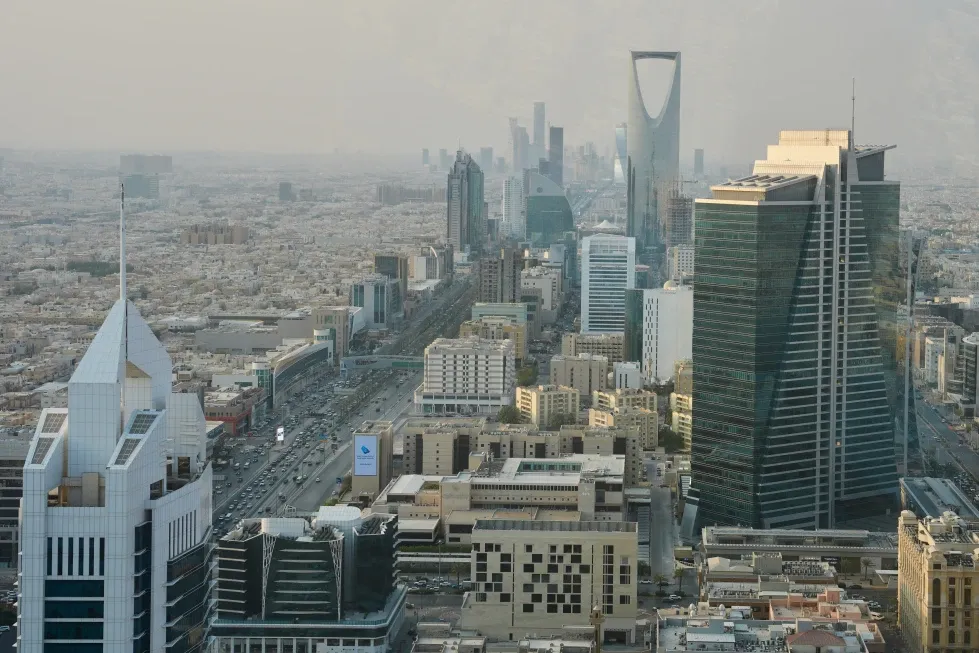
    The U.S.–Mexico border stretches nearly 1,954 miles from the Pacific Ocean in California to the Gulf of Mexico in Texas, making it one of the most politically and socially significant borders in the world. It touches four U.S. states—California, Arizona, New Mexico, and Texas—and six Mexican states—Baja California, Sonora, Chihuahua, Coahuila, Nuevo León, and Tamaulipas. This long boundary traverses deserts, rivers, mountains, and densely populated urban zones.

    One of the most active sections of the U.S.–Mexico border is the San Ysidro Port of Entry, connecting San Diego, California, with Tijuana, Baja California. This crossing is considered the busiest land border in the Western Hemisphere, handling tens of thousands of people daily. Overall, there are 48 official ports of entry along the border, managed by U.S. Customs and Border Protection (CBP). The agency uses a mix of physical barriers, surveillance towers, motion sensors, drones, and ground agents to monitor the region. Over 700 miles of the border are covered by fencing or walls, built to prevent illegal crossings and enhance national security.

    The modern U.S.–Mexico border was established in the mid-19th century following the Treaty of Guadalupe Hidalgo in 1848, which ended the Mexican-American War. This treaty set the Rio Grande as the official dividing line between Texas and Mexico. In 1853, the Gadsden Purchase added further territory to the U.S., solidifying the current border layout.

    Today, the U.S.–Mexico border is a major flashpoint for immigration debates. Thousands of migrants attempt to cross the border each year, many fleeing violence, poverty, or persecution in Central and South America. Some attempt to enter illegally through remote areas, while others present themselves at legal border crossings to request asylum. The journey is dangerous, especially through desert regions where extreme heat and dehydration are common causes of death. Humanitarian groups frequently patrol these areas to offer water, aid, and rescue support.

    In recent years, the U.S. has implemented a variety of immigration enforcement strategies at the U.S.–Mexico border. The “zero tolerance” policy introduced in 2018 resulted in the separation of families, drawing international condemnation. Another controversial measure was the Migrant Protection Protocols, or “Remain in Mexico” program, which required asylum seekers to wait in Mexico while their cases were processed in U.S. courts. During the COVID-19 pandemic, Title 42 allowed for the rapid expulsion of migrants on public health grounds, a policy that remained in place until 2023.

    Legal uncertainty and the use of private contractors have added further tension. Some detention centers near the U.S.–Mexico border are operated by private companies, raising concerns about lack of oversight, poor living conditions, and human rights violations. Reports have also emerged about possible unofficial detentions, in which individuals are taken without clear legal process—raising alarms among civil rights organizations.

    The U.S.–Mexico border is not only a political boundary but also a vital economic corridor. Billions of dollars in goods cross the border annually, making it essential for trade between the two countries. Under the United States-Mexico-Canada Agreement (USMCA), the border supports a free flow of goods and services vital to industries on both sides. Additionally, Mexican maquiladoras, or manufacturing plants, often located near the border, produce goods for export to the United States, creating jobs and stimulating cross-border economic activity.

    Despite the economic benefits, border communities live with high levels of tension and surveillance. Residents often face checkpoints, ID checks, and restrictions that affect daily life. Activists argue that increasing militarization at the U.S.–Mexico border comes at the cost of civil liberties and human dignity.

    As migration trends continue and political debates evolve, the U.S.–Mexico border remains a symbol of both opportunity and struggle, linking two nations that share deep historical, economic, and cultural ties.
    Share. Facebook Twitter Pinterest LinkedIn Tumblr Email
    Andrew Rogers
    Andrew Rogers
    • Website
    • Facebook

    Andrew Rogers is a seasoned journalist and news analyst specializing in global affairs, politics, and finance. With a passion for investigative reporting, he delivers accurate, insightful stories that inform and engage readers worldwide.

    Related Posts

    Farmers Explore New Ways to Protect Food Supplies

    Saudi Diplomat Accuses Iran of Encouraging Houthi Attacks

    October 16, 2026
    Chagos Islands Dispute Sparks UK Political Row

    Chagos Islands Dispute Sparks UK Political Row

    October 14, 2026
    Middle East Conflict Raises Global Economic Risks

    Middle East Conflict Raises Global Economic Risks

    October 13, 2026

    Comments are closed.

    Our Picks
    Farmers Explore New Ways to Protect Food Supplies

    Saudi Diplomat Accuses Iran of Encouraging Houthi Attacks

    October 16, 2026
    Chagos Islands Dispute Sparks UK Political Row

    Chagos Islands Dispute Sparks UK Political Row

    October 14, 2026
    Middle East Conflict Raises Global Economic Risks

    Middle East Conflict Raises Global Economic Risks

    October 13, 2026
    UK Debate Over Closer European Union Ties Grows

    UK Debate Over Closer European Union Ties Grows

    October 13, 2026
    Stay In Touch
    • Facebook
    • Twitter
    • Instagram
    • YouTube
    Don't Miss
    Oklahoma Capitol Vandalized with Graffiti Overnight

    Oklahoma Capitol Vandalized with Graffiti Overnight

    U.S News January 14, 2026

    Vandals spray-painted Oklahoma’s State Capitol early Tuesday, leaving graffiti on the south side of the…

    Los Angeles $828m Sexual Abuse Settlement

    Los Angeles $828m Sexual Abuse Settlement

    October 18, 2025
    Salma Hayek Shows Off Gray Hair in Velvet Dress at Paris Show

    Salma Hayek Shows Off Gray Hair in Velvet Dress at Paris Show

    July 10, 2025
    Putin Sets Greenland Price Amid US Interest

    Putin Sets Greenland Price Amid US Interest

    January 24, 2026
    About Us

    Daljoog News is a trusted news platform that brings you the latest global and local updates with accuracy and fairness. We are committed to clear and unbiased reporting, covering topics like politics, business, technology, science, and culture and more. Using the latest technology and expert journalism, we provide reliable coverage of important stories. Stay informed, inspired, and empowered with Daljoog News—your source for breaking news, the latest updates, and videos that matter.

    Email Us: info@daljoognews.com

    Our Picks
    Oil Prices Rise as Middle East Supply Risks Increase

    Oil Prices Rise as Middle East Supply Risks Increase

    November 20, 2026
    Gulf Stock Markets Fall as US Iran Conflict Raises Investor Concerns

    Gulf Stock Markets Fall as US Iran Conflict Raises Investor Concerns

    November 19, 2026
    World Bank Says Lebanon Is Moving Too Slowly on Reconstruction

    World Bank Says Lebanon Is Moving Too Slowly on Reconstruction

    November 18, 2026
    Latest News
    Oil Prices Rise as Middle East Supply Risks Increase

    Oil Prices Rise as Middle East Supply Risks Increase

    November 20, 2026
    Nayib Bukele Launches Bid for Third Presidential Term

    Nayib Bukele Launches Bid for Third Presidential Term

    November 20, 2026
    Gulf Stock Markets Fall as US Iran Conflict Raises Investor Concerns

    Gulf Stock Markets Fall as US Iran Conflict Raises Investor Concerns

    November 19, 2026
    Facebook X (Twitter) RSS YouTube Instagram
    • Home
    • About Us
    • Contact Us
    • Our Authors
    • Privacy Policy
    • Terms & Conditions
    • Sitemap
    © 2026 DaljoogNews.com

    Type above and press Enter to search. Press Esc to cancel.