


As calendars turn toward the final weeks of September, the Autumn equinox approaches, marking the official astronomical moment when day and night achieve roughly equal length, signaling the formal transition from summer into the cooler autumn season ahead.
This astronomical event occurs when the sun crosses directly over the equator, resulting in nearly equal daylight and darkness hours worldwide, a phenomenon that has held cultural and practical significance for human societies across countless generations throughout recorded history.
Many cultures have developed traditions and celebrations connected to this seasonal transition, recognizing the equinox as an important marker for agricultural cycles, harvest timing, and broader seasonal awareness that historically guided various practical and spiritual practices worldwide.
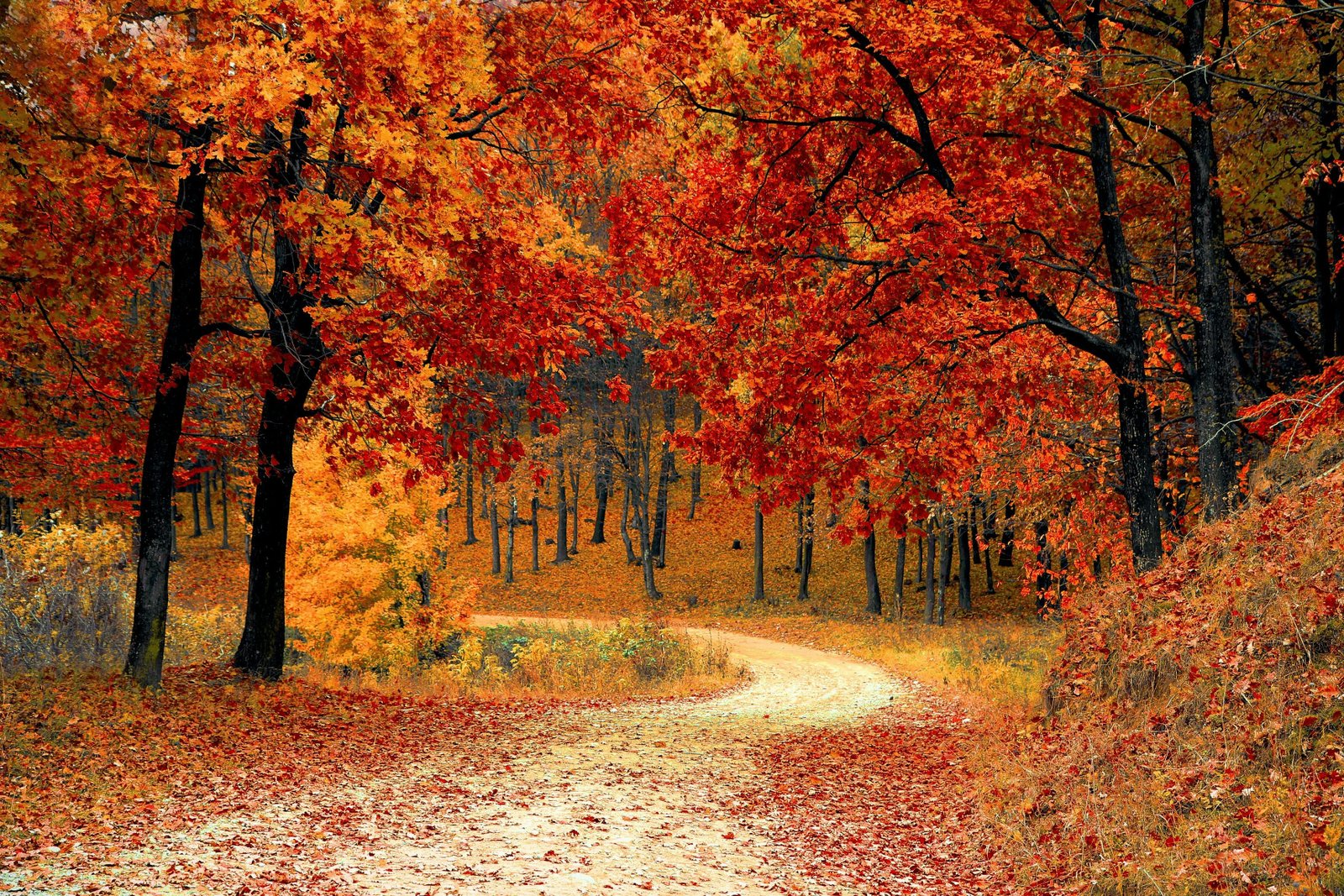
As the equinox approaches, many people begin noticing more pronounced seasonal changes, including earlier sunsets, cooler evening temperatures, and the gradual shift in foliage colors that characterizes the visual transition from summer’s greenery toward autumn’s warmer color palette.
This seasonal transition often prompts practical lifestyle adjustments, from wardrobe changes incorporating warmer layers to home preparation activities like checking heating systems and weatherproofing homes ahead of the colder temperatures that typically follow in subsequent weeks and months.
Agricultural communities have historically marked this astronomical event as significant for harvest timing, with many traditional farming practices and celebrations connected to gathering crops before the more challenging growing conditions associated with the approaching colder season.
Mental and emotional responses to seasonal transitions vary significantly among individuals, with some people experiencing mood changes connected to shifting daylight patterns, making awareness of this transition potentially useful for those who notice seasonal affective patterns in their own wellbeing.
Outdoor recreation planning often incorporates awareness of the approaching equinox, with many people seeking to maximize remaining warm weather activities before temperatures cool significantly, while others eagerly anticipate autumn specific activities like leaf viewing and harvest festivals.
Astronomical enthusiasts often mark the equinox with specific observation activities, given the relatively rare and predictable nature of this celestial alignment that occurs just twice yearly, providing an accessible entry point for casual interest in basic astronomical phenomena and cycles.
Cultural and religious traditions across various societies have historically incorporated equinox related observances, reflecting the event’s long standing significance across diverse human cultures throughout history, even as modern awareness of the specific scientific mechanisms has evolved considerably.
As this seasonal marker approaches, people worldwide can anticipate the formal transition into autumn conditions. Whether through practical preparations or simple awareness of the changing season, the equinox continues serving as a meaningful annual reminder of nature’s consistent seasonal rhythms.