



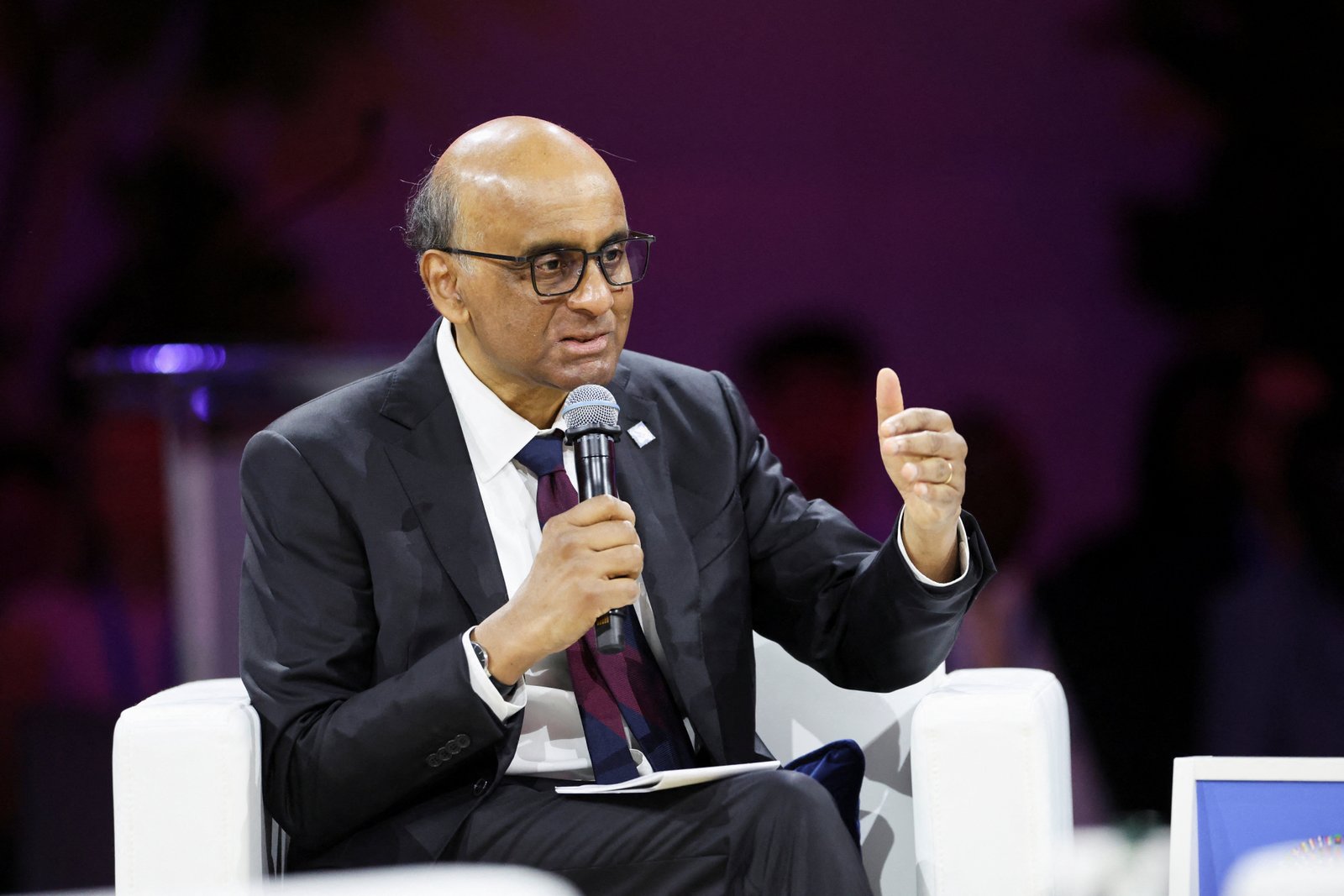
The growth of artificial intelligence is raising concerns about the first jobs available to university graduates. Singapore’s President Tharman Shanmugaratnam warned on Monday that employers in some sectors are showing less demand for new workers as AI tools become more capable. His comments added to a wider debate about how governments and businesses should prepare young people for changes in the workplace.
Entry-level jobs often help graduates gain the experience they need to build long-term careers. These roles allow new workers to learn professional skills, understand how organisations operate and develop judgement through daily tasks. If companies use AI to perform more of this work, graduates may find it harder to get their first opportunity. This could create a challenge even for students who have completed their education and gained relevant qualifications.
The effect of AI is unlikely to be the same in every industry. Some employers may use technology to reduce routine tasks, while others may create new roles that require people to manage systems, check results or solve complex problems. The main challenge is ensuring that workers can move into changing jobs without being left behind. Training programmes, workplace learning and stronger links between education and employers may become more important.
Shanmugaratnam also warned against a growing gap between advanced and developing economies. Countries with access to technology, investment and skilled workers may benefit more quickly, while others could struggle to keep pace. Governments therefore face a choice about how to support workers and prepare education systems for new demands. AI may create new opportunities, but its benefits will depend partly on whether people can gain the skills needed to use it effectively.