

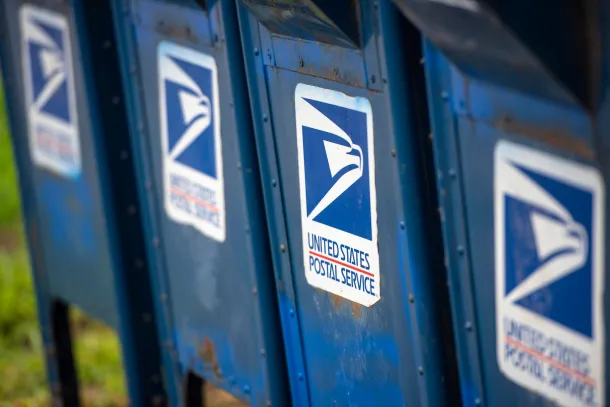
The United States Postal Service Postal Service asks Court voting changes be permitted to move forward, filing a request with the Supreme Court seeking to lift a lower court injunction that had temporarily blocked implementation of the disputed policy affecting mail in ballot procedures.
This latest legal filing represents the newest chapter in an ongoing dispute over a directive that has drawn legal challenges from more than twenty states, who argue the policy creates significant new burdens for election administrators and grants federal agencies unprecedented authority over state election processes.
The Postal Service’s involvement in this legal battle reflects its operational role in implementing certain aspects of the mail voting policy changes, positioning the agency directly within ongoing litigation that has already reached the Supreme Court once previously this year regarding related procedural questions.
Legal experts note that this request represents an attempt to secure more definitive resolution following the Supreme Court’s earlier procedural ruling, which had allowed key parts of the underlying policy to proceed while explicitly declining to resolve the broader legal questions surrounding its ultimate constitutionality.
The states challenging the policy have consistently argued that implementation creates substantial practical burdens, forcing election officials to divert limited resources away from routine election preparation activities in order to comply with new federal requirements they characterize as unclear and difficult to implement.
This legal dispute carries particular significance given upcoming midterm elections, with state election officials needing clarity about which specific procedures they must follow well in advance of actual voting periods to ensure smooth administration of the electoral process across their respective jurisdictions.
Attorneys representing the challenging states have indicated they will continue opposing the Postal Service’s request, arguing that allowing the policy to proceed without full judicial review of its underlying legality creates unacceptable uncertainty for election administration heading into a significant election cycle.
The broader legal battle over this policy has drawn attention from election law experts nationwide, who note that the case raises significant questions about the appropriate balance between federal and state authority over the specific mechanics of election administration within the American constitutional system.
Political reaction to this latest legal development has followed familiar partisan patterns, with supporters of the administration’s approach framing the policy as an important election security measure, while critics warn it could create new obstacles for voters who rely on mail in ballot options.
The Supreme Court’s handling of this latest request will likely provide additional signals about how the justices view the underlying merits of the case, even though procedural rulings of this nature typically stop short of fully resolving the fundamental constitutional questions at the heart of the broader dispute.
As this legal battle continues unfolding, election officials across the affected states await clearer guidance about which specific procedures they must ultimately follow. The coming weeks will likely prove significant in determining how this dispute affects election administration heading into the crucial midterm election cycle.