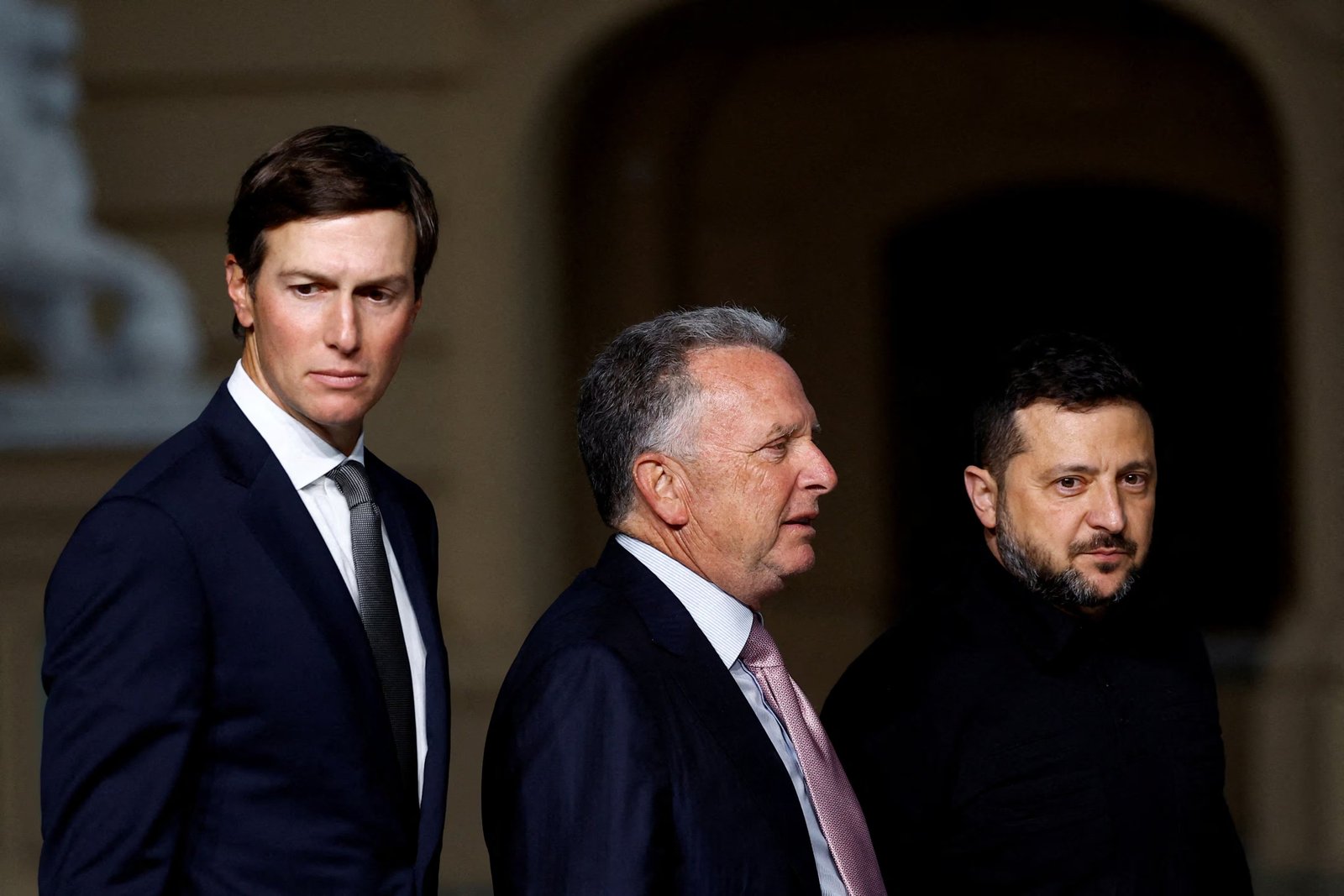




Treasury Secretary Scott Bessent Bessent warns nations Iran support carries serious consequences, calling on the international community to sever ties with Tehran as part of a broader strategy aimed at ending the ongoing conflict between Iran and the United States.
Speaking about the administration’s approach to the conflict, Bessent emphasized that the fastest path toward ending hostilities involves ensuring no nation continues providing support to the current Iranian government, framing economic isolation as a critical complement to ongoing military pressure.
Secretary of State Marco Rubio echoed similar sentiments, warning that countries providing financial support to Iran should understand exactly what their money ultimately funds, pointing specifically to concerns about terrorism sponsorship and continued efforts toward developing nuclear weapons capability.
This coordinated messaging from senior administration officials reflects an intensified diplomatic and economic pressure campaign running parallel to the ongoing military conflict, which has continued for more than six months with periodic strikes and counterstrikes between American and Iranian forces.
The administration’s approach combines direct military action against Iranian targets with efforts to isolate the country economically by discouraging other nations from maintaining trade or financial relationships that could provide resources supporting the current Iranian government’s continued operations.
Bessent’s comments come as the conflict has recently escalated again following a brief period that had appeared to offer some hope for de-escalation. Iran’s recent retaliatory strikes against American positions in the region prompted renewed warnings from President Trump about even harsher consequences.
Economic sanctions and pressure campaigns have long served as a tool of American foreign policy toward Iran, though the current administration has notably intensified this approach by directly calling on other nations to cut ties, rather than relying solely on unilateral American sanctions and restrictions.
International reaction to this pressure campaign has been mixed, with some allied nations expressing support for isolating Iran economically, while other countries have continued maintaining various trade relationships, arguing that complete economic isolation could have unintended humanitarian consequences for ordinary Iranian civilians.
Critics of this approach have raised concerns about whether economic pressure combined with military strikes represents a coherent long term strategy for achieving a lasting resolution, or whether it primarily serves to prolong hostilities without creating meaningful pathways toward eventual negotiated settlement.
Administration officials maintain that this combined pressure strategy remains the most effective approach for compelling Iran toward genuine negotiations, arguing that previous, more limited pressure campaigns failed to achieve meaningful behavioral change from Iranian leadership regarding its regional activities and nuclear ambitions.
As this economic and diplomatic pressure campaign continues alongside ongoing military hostilities, the coming weeks will likely reveal whether this combined approach proves more effective than previous strategies in ultimately compelling Iran toward a lasting resolution, or whether it primarily contributes to further prolonging an already extended and costly conflict.