
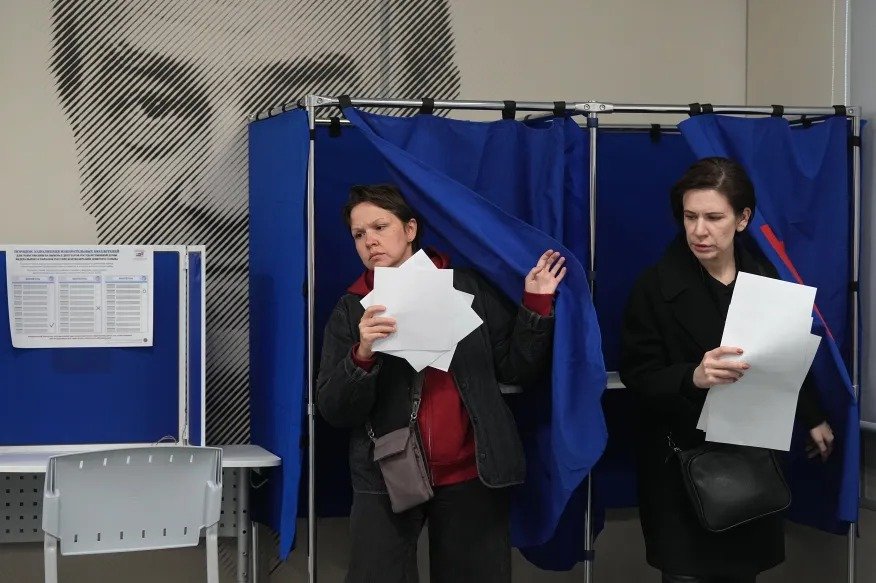
Russia closed some polling stations in the city of Sochi this week. Officials said the move was needed due to a possible drone threat. The closures happened as regional elections got underway across the country.
Sochi’s mayor said strong security steps had been taken at voting locations. Authorities wanted to make sure voters and staff stayed safe. Officials described the measures as thorough and necessary given current risks.
The elections come during a tense period for Russia. The country remains deeply involved in its ongoing war with Ukraine. Security concerns linked to the conflict have spread into daily life, including local elections.
A well-known sports figure also appeared in campaign material this week. He took part in a video supporting Russia’s ruling political party. His appearance drew both support and criticism online.
Some observers say public figures backing the ruling party helps boost turnout. Others argue it shows how closely sports and politics remain linked inside the country. Either way, the video quickly spread across social media.
Elsewhere in the country, officials continue to manage wartime security concerns. Drone attacks have become more common along border regions in recent months. This has forced local governments to adjust safety plans for public events.
Russia’s war with Ukraine has now stretched on for years. Fighting continues along multiple fronts, with attacks reported on both sides. Civilian areas have been hit repeatedly, raising international concern.
Diplomats and world leaders continue pushing for a resolution to the conflict. Several countries have offered to help mediate peace talks. So far, no lasting ceasefire agreement has been reached.
New economic pressure is also mounting on Russia. Lawmakers in other countries recently passed strong new sanctions targeting Russian energy revenue. These sanctions aim to weaken funding for the ongoing war effort.
Russian officials have pushed back against growing international pressure. They argue that sanctions unfairly target their economy and civilians. Government spokespeople continue to defend the country’s actions throughout the conflict.
Meanwhile, daily life inside Russia shows signs of adapting to prolonged conflict. Security measures, like those seen in Sochi, have become part of normal planning for public events. Citizens have grown used to added checks and precautions.
International observers continue watching the elections closely. Some question how free and fair voting can be during heightened wartime security. Officials inside Russia maintain that the elections reflect the will of voters.
As the war drags on, both political and security concerns remain tightly connected inside the country. Elections, campaign events, and daily public gatherings now often include extra safety steps. This pattern is expected to continue as long as the broader conflict remains unresolved.
For now, officials say voter safety remains their top priority during this election period. Further updates on turnout and results are expected in the coming days.