



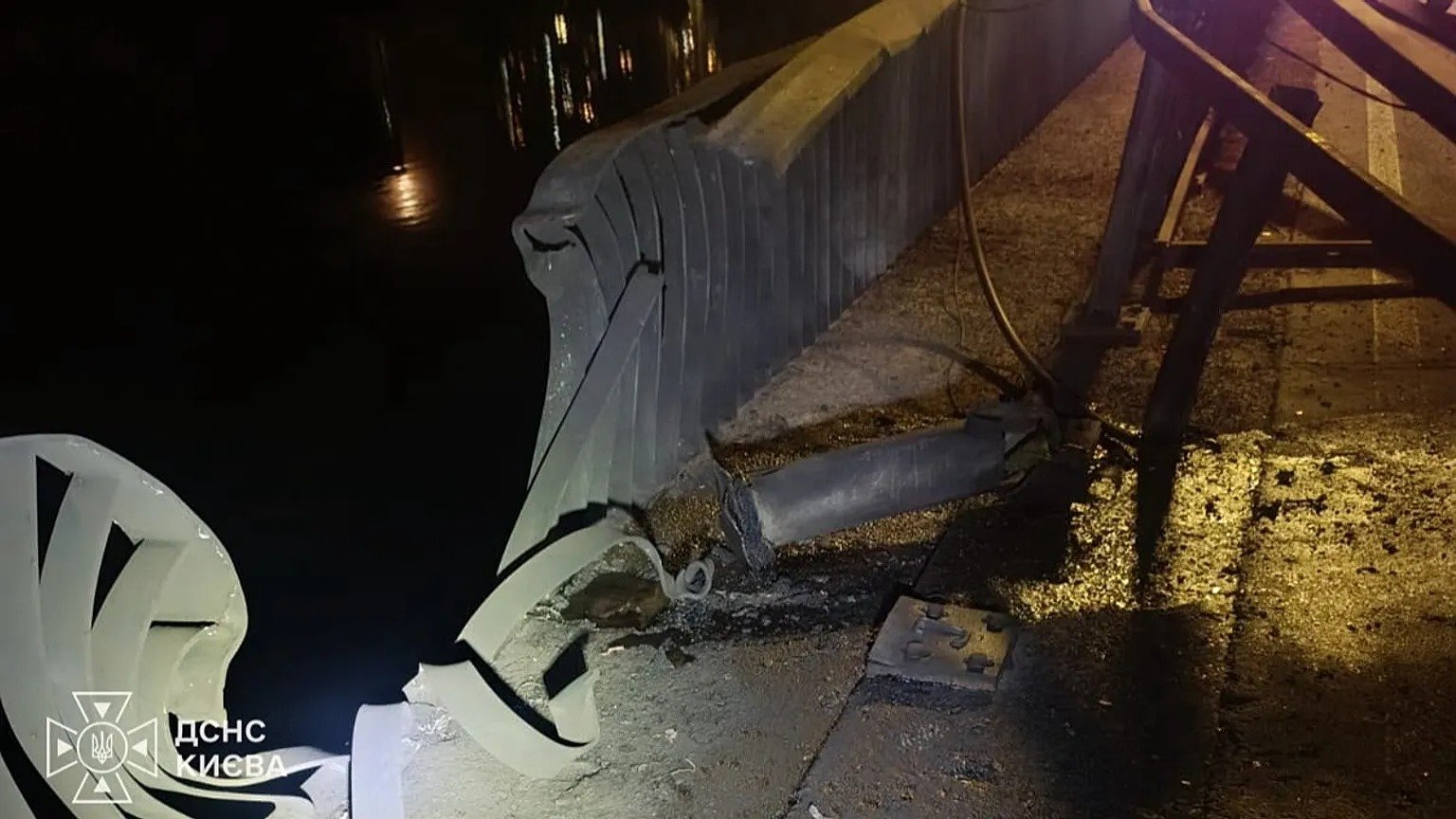
Russian attacks killed at least six people in Ukraine and damaged a major bridge in Kyiv, according to reports on October 4. The latest strikes added to a growing campaign against Ukrainian cities and infrastructure as the war continues without a clear end.
The Northern Bridge over the Dnipro River was damaged during the attacks. Traffic was suspended, creating serious disruption in the Ukrainian capital.
The bridge is important because Kyiv has several major crossings over the Dnipro. Damage to one bridge can create traffic problems and make movement across the city harder.
Russia has said it will continue what it describes as targeted retaliatory strikes. Moscow says some infrastructure targets have military value and argues that the attacks are responses to Ukrainian strikes.
Ukraine rejects that explanation and says Russia is targeting civilian areas and essential infrastructure.
The latest attacks also affected Kharkiv and other regions. Russian drones and bombs killed several people and injured dozens more.
A civilian cargo ship in the port of Odesa was also hit. One sailor was reported killed.
The fighting is taking place across a front line that stretches for more than 1,000 kilometers. Both sides continue to use drones, missiles and artillery.
The attacks on Kyiv are especially important because the city is far from some of the main ground fighting. Russia has increasingly used long range weapons to strike the capital.
Ukraine has worked to strengthen its air defenses, but the number of drones and missiles used in attacks can make protection difficult.
The latest strikes also show the growing importance of bridges and transport infrastructure. Russia has previously attacked bridges and other routes that it says are used to move military supplies.
Ukraine depends on roads, railways and bridges to move people and equipment across the country. Damage can slow military logistics and also affect normal civilian life.
Moldova has raised concerns about the wider regional danger. Officials have reported cases in which Russian missiles and drones entered Moldovan airspace. Moldova is not part of the war, but its location next to Ukraine means it faces risks from the conflict.
The war is also affecting neighboring countries through energy, trade and migration.
Ukraine’s government continues to ask Western partners for more air defense systems and ammunition. European governments have promised further financial support as Kyiv prepares for another difficult period.
Russia, meanwhile, has increased the scale of its air campaign. Ukrainian officials say Moscow is trying to put pressure on civilians by attacking power, transport and other important systems.
Winter makes infrastructure attacks especially dangerous. Damage to electricity or heating systems can create serious problems when temperatures fall.
The latest attacks therefore have consequences beyond the immediate death toll.
For residents of Kyiv, damage to another major bridge adds to the daily pressure of war. Roads may become crowded, travel times may increase and emergency services may face additional challenges.
The October 4 developments show that the conflict remains highly active despite continued international efforts to find a political solution.
Both sides continue to prepare for further fighting. Ukraine wants stronger defenses and more weapons, while Russia continues its long range attacks.
Without a major diplomatic breakthrough, the coming months could bring more strikes on cities and infrastructure.
The latest deaths are another reminder that civilians remain at the center of the war’s human cost. For Kyiv, the challenge is now to keep the city functioning while protecting people from another wave of attacks.