


Chinese President Xi Jinping used his meetings with President Trump during this week’s Washington summit to call publicly for renewed dialogue and negotiations regarding Iran, according to statements carried by China’s state-run news agency following the bilateral discussions. Xi reportedly told Trump that China supports a return to comprehensive negotiations and hopes all parties involved can eventually reach a full agreement addressing the various dimensions of the ongoing crisis, including the contentious nuclear issue that has remained at the center of tensions throughout the extended standoff.
According to the same reporting, Xi emphasized that China has actively sought to help de-escalate regional tensions throughout the crisis, framing Beijing’s approach as rooted in a broader principle that the sovereignty and security of all nations involved should be respected as part of any eventual resolution process. This positioning reflects China’s ongoing effort to present itself as a constructive diplomatic actor in Middle Eastern affairs, even as its practical influence over the specific dynamics between the United States and Iran remains considerably more limited than either Washington’s or Tehran’s own direct leverage over the situation.
The timing of Xi’s comments carries particular significance given the parallel diplomatic activity happening simultaneously in New York, where American and Iranian officials reportedly held a previously undisclosed three-hour meeting on the sidelines of the United Nations General Assembly earlier this week, even as President Trump delivered a forceful public speech threatening severe consequences if a satisfactory deal could not be reached. This combination of private diplomatic contact alongside continued public rhetorical pressure illustrates the multiple, sometimes seemingly contradictory tracks through which this particular international crisis continues to be managed by the various parties involved.
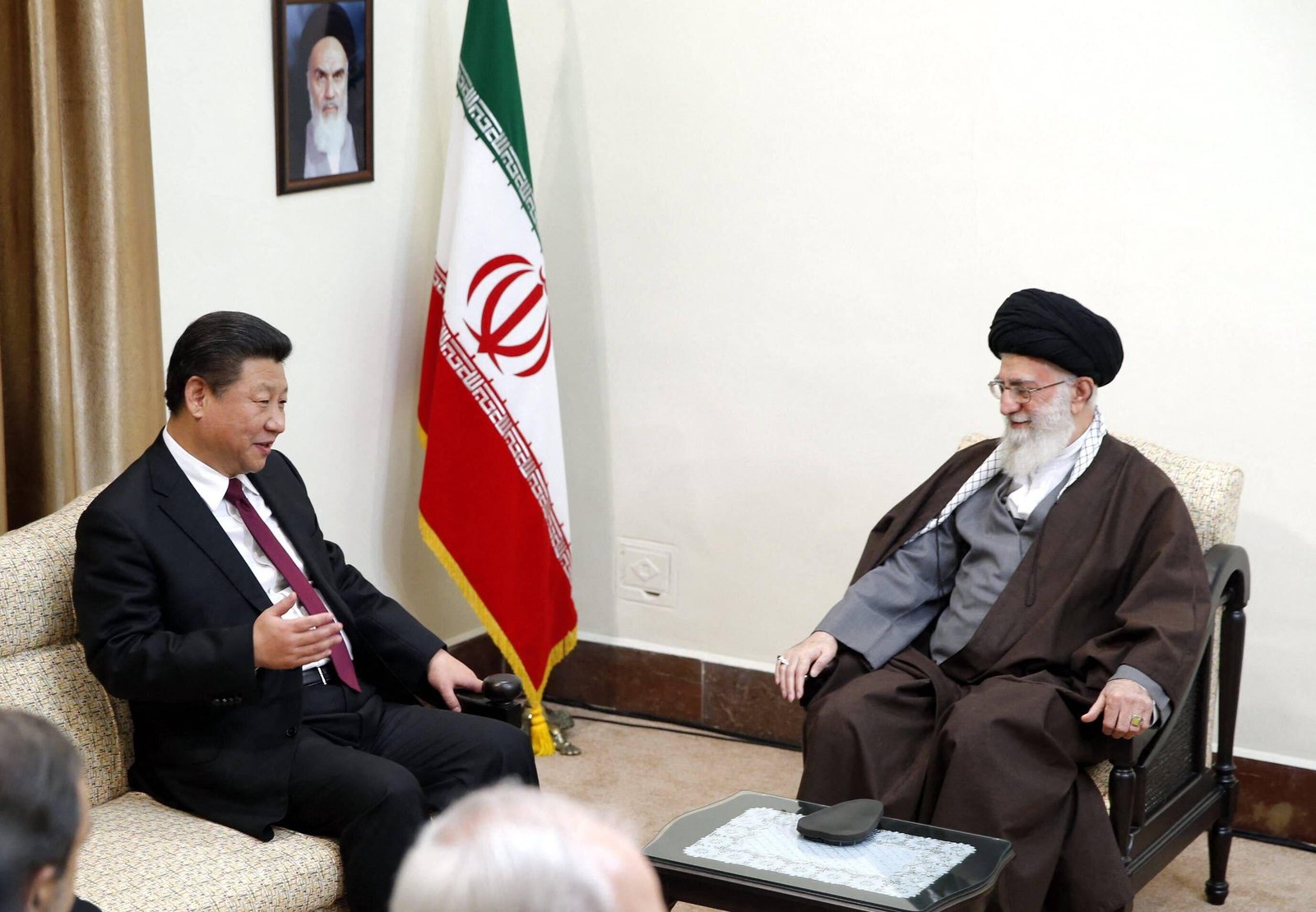
China’s own relationship with Iran adds further complexity to Beijing’s stated interest in encouraging renewed negotiations, given China’s status as a significant purchaser of Iranian oil exports and its broader strategic partnership with Tehran that has developed considerably over recent years. Some analysts suggest China’s public call for renewed dialogue may reflect genuine concern about how continued regional instability could affect global energy markets and broader economic conditions, areas where Beijing has substantial and direct practical interests independent of its stated diplomatic principles.
American officials have not publicly detailed how directly Xi’s comments might influence ongoing American strategy toward Iran, though the broader context of this week’s summit suggests both governments discussed the situation as part of their wider bilateral conversation covering trade, technology, and regional security matters. Analysts covering the summit have noted that while China’s direct influence over American-Iranian dynamics remains limited, Beijing’s public positioning on the issue nonetheless carries diplomatic weight given China’s broader role as a significant global power with substantial economic ties throughout the Middle East region.
The broader international response to the ongoing tensions has included calls from multiple nations for a negotiated resolution, reflecting widespread international concern about the potential for further escalation and its associated risks to regional stability and global energy markets. Whether Xi’s specific call for renewed dialogue during this week’s summit meaningfully influences the trajectory of American-Iranian relations remains uncertain, though it adds another data point to the complex web of diplomatic activity currently surrounding this particular international crisis.
As diplomatic activity continues across multiple channels this week, from the private American-Iranian contact in New York to Xi’s public comments in Washington, the path toward any comprehensive resolution of the underlying tensions remains genuinely uncertain. International observers continue watching closely for any concrete signals suggesting these various diplomatic threads might eventually converge toward a more substantive and lasting agreement between the involved parties.