
Close Menu
Daljoog News
    What's Hot
    Minneapolis Shooting Leaves Three Dead Total

    Minneapolis Shooting Leaves Three Dead Total

    September 4, 2026
    German Investigators Focus On Russia Linked Suspects

    German Investigators Focus On Russia Linked Suspects

    September 4, 2026
    Lazy Moms Day Encourages Delegating Chores

    Lazy Moms Day Encourages Delegating Chores

    September 4, 2026
    Facebook X (Twitter) Instagram
    Friday, September 4
    Daljoog News
    Facebook X (Twitter) YouTube Instagram
    • Home
    • General
    • World
    • Business
    • Technology
    • Politics
    • Finance
    • Health
    • Lifestyle
    • Sports
    • Travel
    Daljoog News
    Home»Politics»Trump’s Shift in Ukraine Policy: A Dangerous Retreat
    Politics

    Trump’s Shift in Ukraine Policy: A Dangerous Retreat

    Daljoog NewsBy Daljoog NewsFebruary 17, 2025Updated:June 1, 2025No Comments4 Mins Read
    Facebook Twitter Pinterest LinkedIn Tumblr Email
    Follow Us
    Google News
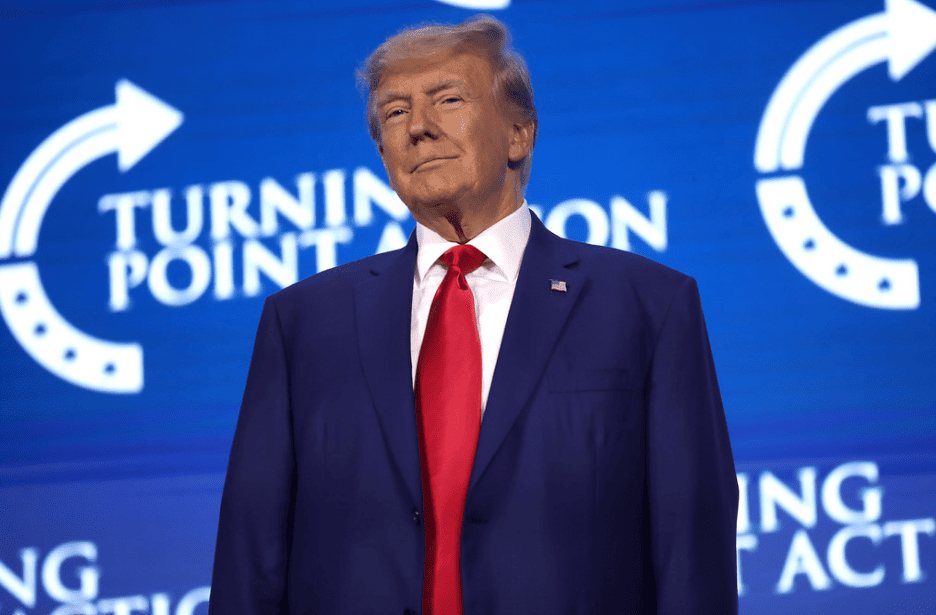
    Trump's Shift in Ukraine Policy A Dangerous Retreat
    Trump's Shift in Ukraine Policy A Dangerous Retreat
    Share
    Facebook Twitter LinkedIn Pinterest Email

    During last year’s election, many people wondered what President Trump’s stance on Ukraine truly meant. Some thought his tough rhetoric on Ukraine was just for the campaign. David Kramer, a U.S. State Department official, told Vox that Trump would never want Ukraine to be defeated. He argued that the last thing Trump wanted was a situation like Afghanistan’s collapse.

    But the signs were clear. Trump’s election victory would likely lead to a drastic cut in U.S. support for Ukraine. His focus would shift to ending the conflict, no matter the terms. Those who believed otherwise were simply not paying attention.

    Hegseth’s Confirmation of Trump’s Approach

    Recently, Secretary of Defense Pete Hegseth confirmed this view. Speaking in Brussels at a meeting of the Ukraine Defense Contact Group, which includes 57 countries and the European Union, Hegseth made his position clear. He said, “The war must end,” and suggested that the U.S. was prepared to make major concessions to Russia to achieve peace.

    This marks a dramatic change in U.S. policy. Hegseth said that returning to Ukraine’s pre-2014 borders was unrealistic. He also stated that Ukraine joining NATO was no longer a feasible option. The U.S. would not send troops to Ukraine, and European nations would take over peacekeeping duties.

    Russia Gains from U.S. Policy Shift

    For Vladimir Putin, this new stance is a win. Russia is likely to keep control of the 20% of Ukraine it currently occupies. Russia would also have significant influence over Ukraine’s future foreign policy. With NATO membership off the table, Putin’s grip on Ukraine would be solidified.

    This shift means that the U.S. is retreating from its traditional role as the leader in global security. The loss of Ukraine’s sovereignty would send a dangerous message to other countries, especially those in Eastern Europe.

    Trump’s Personal Admiration for Putin

    Trump’s admiration for Vladimir Putin also plays a role in this policy shift. The two leaders have spoken multiple times, with Trump describing their discussions as “productive.” Trump has even expressed a desire to meet with Putin in person soon. These conversations have taken place without consulting Ukrainian President Volodymyr Zelensky beforehand, highlighting Trump’s unconventional approach to diplomacy.

    While it’s within Trump’s right to decide that a prolonged war in Eastern Europe isn’t in America’s interest, his dismissal of the war’s human cost is concerning. More than 100,000 Ukrainians have died due to Russia’s invasion. For those grieving the loss of loved ones, Trump’s remarks about the war being “totally unnecessary” ring hollow.

    The Potential Consequences of U.S. Policy

    If Trump’s proposed policy were implemented today, it could set a troubling precedent. Russia would have proven that aggression and war crimes can pay off, as long as the aggressor is determined enough. With 250,000 Russian soldiers killed in the conflict, Russia has still managed to occupy large swaths of Ukrainian territory.

    The implications extend beyond Ukraine. If this policy stands, Putin might be emboldened to pursue further territorial ambitions. Countries like the Baltic States, Poland, and Georgia could be next in line. With NATO membership for these countries already in doubt, Putin could try to expand Russia’s influence across Europe.

    The Munich Conference and Its Parallels to History

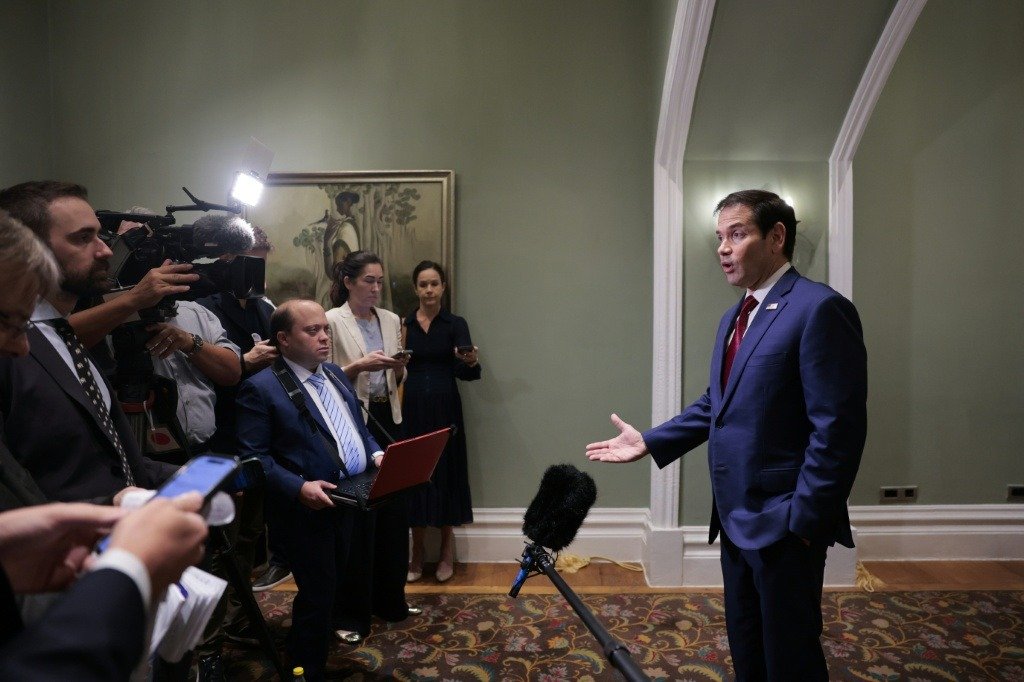
    The Munich Security Conference, which took place over the weekend, brought together world leaders, including U.S. officials like Vice President JD Vance and Secretary of State Marco Rubio. The echoes of history are strong here. In 1938, Britain and France appeased Nazi Germany by allowing it to take Czechoslovakia. Today, Trump’s approach to Ukraine could be seen as a modern-day parallel, giving in to Russia’s demands at the expense of smaller nations.

    Despite criticism, Hegseth denied that the U.S. was “betraying” Ukraine. He insisted that both sides would have to make hard choices for peace. But this policy seems to favor Russia, rewarding it for its aggression. In the end, Ukraine would be left with little to gain.

    What This Means for U.S. Global Leadership

    This shift in policy is more than just a setback for Ukraine. It signals a larger change in U.S. foreign policy. Trump’s approach suggests that the U.S. is no longer committed to defending Europe or its allies in the region. If Russia is allowed to keep its territorial gains in Ukraine, it could set the stage for further military aggression in Europe.

    If Trump continues down this path, the U.S. will be sending a clear message: It is no longer willing to uphold its traditional role as a global leader. In the face of rising threats, this approach could leave many countries vulnerable. Whether it’s Ukraine or other nations in Europe, Trump’s policy puts U.S. allies at risk.

    For more on global politics and international relations, visit Daljoog News.
    Share. Facebook Twitter Pinterest LinkedIn Tumblr Email
    Daljoog News
    Daljoog News
    • Website
    • Facebook
    • X (Twitter)
    • Instagram

    Daljoog News is a trusted online news platform delivering timely and accurate reports on a wide range of topics, including General News, World Affairs, Business, Technology, Politics, Finance, Health, Lifestyle, Sports, and Travel. Committed to journalistic excellence, Daljoog News provides in-depth analysis, breaking news, and insightful stories to keep readers informed about the latest global and local developments. Stay ahead with Daljoog News—where facts meet clarity.

    Related Posts

    Bessent Warns Nations Against Iran Support

    Bessent Warns Nations Against Iran Support

    September 4, 2026
    Germany's eastern state of Saxony Anhalt heads to the polls this week, with the Saxony Anhalt election AfD gains narrative dominating coverage as the far right Alternative for Germany party hopes to build on recent momentum partly fueled by public fatigue over the ongoing war in Ukraine. The election arrives at a particularly tense moment in German politics, coinciding with a diplomatic dispute between Berlin and Moscow over an alleged Russian backed drone attack on an airport in the eastern part of the country. That controversy has become intertwined with the campaign's broader political dynamics. The Alternative for Germany's lead candidate for the state has campaigned heavily on themes of war weariness and skepticism toward continued German support for Ukraine, arguments that appear to be resonating with a segment of voters increasingly frustrated by the economic costs associated with the ongoing conflict. Chancellor Friedrich Merz's governing coalition has faced mounting criticism over its handling of both the war and broader economic challenges, including factory closures and rising living costs that opposition parties have used to argue the current government has failed to adequately protect German interests. The far right party's leader has directly criticized the chancellor's approach, accusing him of prioritizing international politics over domestic concerns and suggesting his government has lost meaningful connection with everyday voters struggling with economic pressures across the country. Allies of the chancellor have pushed back forcefully against these characterizations, with one prominent supporter accusing the far right party's leadership of effectively serving Russian interests by amplifying narratives that could weaken Western unity and support for Ukraine at a critical moment in the conflict. Polling ahead of the election suggests the Alternative for Germany could make significant gains compared to previous results in the state, though most political analysts do not expect the party to secure enough support to lead a governing coalition given ongoing resistance from mainstream parties to cooperate with it. This election is being closely watched as a broader indicator of political sentiment across eastern Germany, a region that has historically shown stronger support for the far right party compared to western parts of the country, partly reflecting distinct economic and social conditions in the formerly communist east. International observers have noted the election's significance beyond domestic German politics, given its potential implications for continued Western unity on Ukraine policy. Any significant far right gains could be interpreted as a warning sign for mainstream parties navigating similar political pressures elsewhere in Europe. The broader dispute over the alleged Russian drone attack has added additional complexity to the campaign's final days, with the far right party's rhetoric around the incident drawing sharp criticism from government officials who argue it reflects a troubling willingness to dismiss legitimate security concerns. As voters prepare to cast their ballots, the outcome will offer important insight into how deeply war fatigue and economic frustration have penetrated German political sentiment. Regardless of the final results, this election is likely to shape ongoing debates about Germany's role in supporting Ukraine through the challenging months ahead

    Saxony Anhalt Election Looms Amid AfD Gains

    September 3, 2026
    Tributes Pour In For Former French PM

    Tributes Pour In For Former French PM

    September 2, 2026

    Comments are closed.

    Our Picks
    Bessent Warns Nations Against Iran Support

    Bessent Warns Nations Against Iran Support

    September 4, 2026
    Germany's eastern state of Saxony Anhalt heads to the polls this week, with the Saxony Anhalt election AfD gains narrative dominating coverage as the far right Alternative for Germany party hopes to build on recent momentum partly fueled by public fatigue over the ongoing war in Ukraine. The election arrives at a particularly tense moment in German politics, coinciding with a diplomatic dispute between Berlin and Moscow over an alleged Russian backed drone attack on an airport in the eastern part of the country. That controversy has become intertwined with the campaign's broader political dynamics. The Alternative for Germany's lead candidate for the state has campaigned heavily on themes of war weariness and skepticism toward continued German support for Ukraine, arguments that appear to be resonating with a segment of voters increasingly frustrated by the economic costs associated with the ongoing conflict. Chancellor Friedrich Merz's governing coalition has faced mounting criticism over its handling of both the war and broader economic challenges, including factory closures and rising living costs that opposition parties have used to argue the current government has failed to adequately protect German interests. The far right party's leader has directly criticized the chancellor's approach, accusing him of prioritizing international politics over domestic concerns and suggesting his government has lost meaningful connection with everyday voters struggling with economic pressures across the country. Allies of the chancellor have pushed back forcefully against these characterizations, with one prominent supporter accusing the far right party's leadership of effectively serving Russian interests by amplifying narratives that could weaken Western unity and support for Ukraine at a critical moment in the conflict. Polling ahead of the election suggests the Alternative for Germany could make significant gains compared to previous results in the state, though most political analysts do not expect the party to secure enough support to lead a governing coalition given ongoing resistance from mainstream parties to cooperate with it. This election is being closely watched as a broader indicator of political sentiment across eastern Germany, a region that has historically shown stronger support for the far right party compared to western parts of the country, partly reflecting distinct economic and social conditions in the formerly communist east. International observers have noted the election's significance beyond domestic German politics, given its potential implications for continued Western unity on Ukraine policy. Any significant far right gains could be interpreted as a warning sign for mainstream parties navigating similar political pressures elsewhere in Europe. The broader dispute over the alleged Russian drone attack has added additional complexity to the campaign's final days, with the far right party's rhetoric around the incident drawing sharp criticism from government officials who argue it reflects a troubling willingness to dismiss legitimate security concerns. As voters prepare to cast their ballots, the outcome will offer important insight into how deeply war fatigue and economic frustration have penetrated German political sentiment. Regardless of the final results, this election is likely to shape ongoing debates about Germany's role in supporting Ukraine through the challenging months ahead

    Saxony Anhalt Election Looms Amid AfD Gains

    September 3, 2026
    Tributes Pour In For Former French PM

    Tributes Pour In For Former French PM

    September 2, 2026
    Supreme Court Backs Trump Mail Voting Order

    Supreme Court Backs Trump Mail Voting Order

    September 1, 2026
    Stay In Touch
    • Facebook
    • Twitter
    • Instagram
    • YouTube
    Don't Miss
    3 Supplements May Help Prevent Holiday Colds

    3 Supplements May Help Prevent Holiday Colds

    Health November 20, 2025

    The holiday season can be full of travel, parties, and late nights—but it’s also prime…

    Cambodia, South Korea Boost Travel Ties in Seoul Visit

    Cambodia, South Korea Boost Travel Ties in Seoul Visit

    June 5, 2025
    Germany's eastern state of Saxony Anhalt heads to the polls this week, with the Saxony Anhalt election AfD gains narrative dominating coverage as the far right Alternative for Germany party hopes to build on recent momentum partly fueled by public fatigue over the ongoing war in Ukraine. The election arrives at a particularly tense moment in German politics, coinciding with a diplomatic dispute between Berlin and Moscow over an alleged Russian backed drone attack on an airport in the eastern part of the country. That controversy has become intertwined with the campaign's broader political dynamics. The Alternative for Germany's lead candidate for the state has campaigned heavily on themes of war weariness and skepticism toward continued German support for Ukraine, arguments that appear to be resonating with a segment of voters increasingly frustrated by the economic costs associated with the ongoing conflict. Chancellor Friedrich Merz's governing coalition has faced mounting criticism over its handling of both the war and broader economic challenges, including factory closures and rising living costs that opposition parties have used to argue the current government has failed to adequately protect German interests. The far right party's leader has directly criticized the chancellor's approach, accusing him of prioritizing international politics over domestic concerns and suggesting his government has lost meaningful connection with everyday voters struggling with economic pressures across the country. Allies of the chancellor have pushed back forcefully against these characterizations, with one prominent supporter accusing the far right party's leadership of effectively serving Russian interests by amplifying narratives that could weaken Western unity and support for Ukraine at a critical moment in the conflict. Polling ahead of the election suggests the Alternative for Germany could make significant gains compared to previous results in the state, though most political analysts do not expect the party to secure enough support to lead a governing coalition given ongoing resistance from mainstream parties to cooperate with it. This election is being closely watched as a broader indicator of political sentiment across eastern Germany, a region that has historically shown stronger support for the far right party compared to western parts of the country, partly reflecting distinct economic and social conditions in the formerly communist east. International observers have noted the election's significance beyond domestic German politics, given its potential implications for continued Western unity on Ukraine policy. Any significant far right gains could be interpreted as a warning sign for mainstream parties navigating similar political pressures elsewhere in Europe. The broader dispute over the alleged Russian drone attack has added additional complexity to the campaign's final days, with the far right party's rhetoric around the incident drawing sharp criticism from government officials who argue it reflects a troubling willingness to dismiss legitimate security concerns. As voters prepare to cast their ballots, the outcome will offer important insight into how deeply war fatigue and economic frustration have penetrated German political sentiment. Regardless of the final results, this election is likely to shape ongoing debates about Germany's role in supporting Ukraine through the challenging months ahead

    Saxony Anhalt Election Looms Amid AfD Gains

    September 3, 2026
    Ali Shamkhani, Secretary of Iran's Defense Council, Killed

    Ali Shamkhani, Secretary of Iran’s Defense Council, Killed

    March 1, 2026
    About Us

    Daljoog News is a trusted news platform that brings you the latest global and local updates with accuracy and fairness. We are committed to clear and unbiased reporting, covering topics like politics, business, technology, science, and culture and more. Using the latest technology and expert journalism, we provide reliable coverage of important stories. Stay informed, inspired, and empowered with Daljoog News—your source for breaking news, the latest updates, and videos that matter.

    Email Us: info@daljoognews.com

    Our Picks
    Broadcom AI Chip Revenue Surges 221 Percent

    Broadcom AI Chip Revenue Surges 221 Percent

    September 4, 2026
    Cybersecurity Stocks Rally On AI Driven Demand

    Cybersecurity Stocks Rally On AI Driven Demand

    September 3, 2026
    Bitcoin Drops As Rate Hike Bets Climb Higher

    Bitcoin Drops As Rate Hike Bets Climb Higher

    September 2, 2026
    Latest News
    Minneapolis Shooting Leaves Three Dead Total

    Minneapolis Shooting Leaves Three Dead Total

    September 4, 2026
    German Investigators Focus On Russia Linked Suspects

    German Investigators Focus On Russia Linked Suspects

    September 4, 2026
    Lazy Moms Day Encourages Delegating Chores

    Lazy Moms Day Encourages Delegating Chores

    September 4, 2026
    Facebook X (Twitter) RSS YouTube Instagram
    • Home
    • About Us
    • Contact Us
    • Our Authors
    • Privacy Policy
    • Terms & Conditions
    • Sitemap
    © 2026 DaljoogNews.com

    Type above and press Enter to search. Press Esc to cancel.