


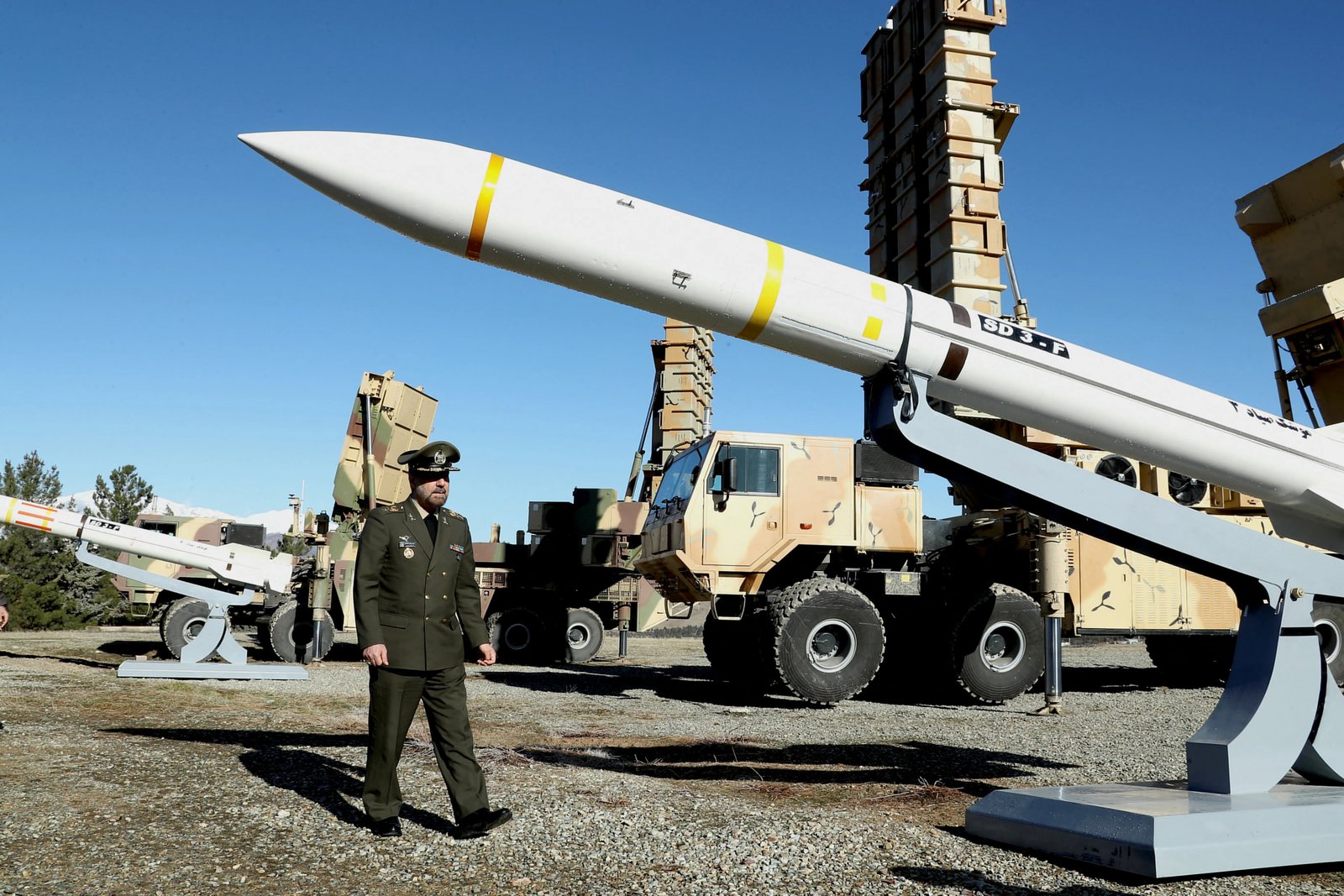
Iranian officials have issued a fresh warning as tensions with the United States continue to simmer. Tehran says any new act of aggression against the country would be met with a different kind of military response. The warning comes as the American president continues weighing his next steps in the ongoing conflict.
Officials in Iran have not provided extensive detail about what a different response might specifically involve. However, the language used suggests a shift in approach compared to previous exchanges during the conflict. Analysts say this type of warning is often intended to signal resolve without escalating tensions immediately.
The warning follows a period of significant instability across the broader region. A separate conflict earlier this year significantly altered the security landscape across the Middle East. Since then, additional flashpoints have emerged, including a recent attack near a major airport in Saudi Arabia.
American officials have said a decision on the country’s next move in the broader conflict could come soon. Details about the nature of that decision remain unclear at this time. Diplomats around the world are watching closely for any signals about how the situation might develop in the coming days.
Iran’s government has consistently defended its actions throughout the ongoing tensions as necessary responses to outside pressure. Officials argue that international actors have repeatedly targeted the country unfairly. This narrative has remained consistent throughout multiple rounds of escalation over the past year.
International diplomats continue calling for restraint from all parties involved in the conflict. Several countries have expressed concern about the potential for further escalation in an already volatile region. Efforts to encourage dialogue between the parties have continued despite ongoing tension.
The timing of Iran’s latest warning coincides with a significant week of international diplomacy in New York. World leaders are currently gathered for the United Nations General Assembly’s high-level week. Discussions about the broader Middle East conflict are expected to be a central topic throughout the gathering.
Gulf nations have also expressed concern about the potential for wider regional instability. Several countries have called for increased diplomatic engagement to prevent further escalation. Regional stability remains a shared priority among governments throughout the area.
Energy markets have shown sensitivity to developments in the ongoing conflict in recent weeks. Any signs of further escalation could quickly influence global oil prices. Conversely, signals suggesting reduced tension have previously helped ease pressure on energy markets.
Humanitarian organizations continue expressing concern about the broader impact of regional instability on civilian populations. Years of conflict in various parts of the Middle East have already strained access to basic services in some areas. Continued escalation risks further complicating an already difficult humanitarian situation.
For now, both sides appear to be carefully weighing their next moves amid an uncertain and rapidly evolving situation. Diplomats continue working behind the scenes to prevent further escalation where possible. The coming days are expected to bring further clarity as officials respond to the latest developments.