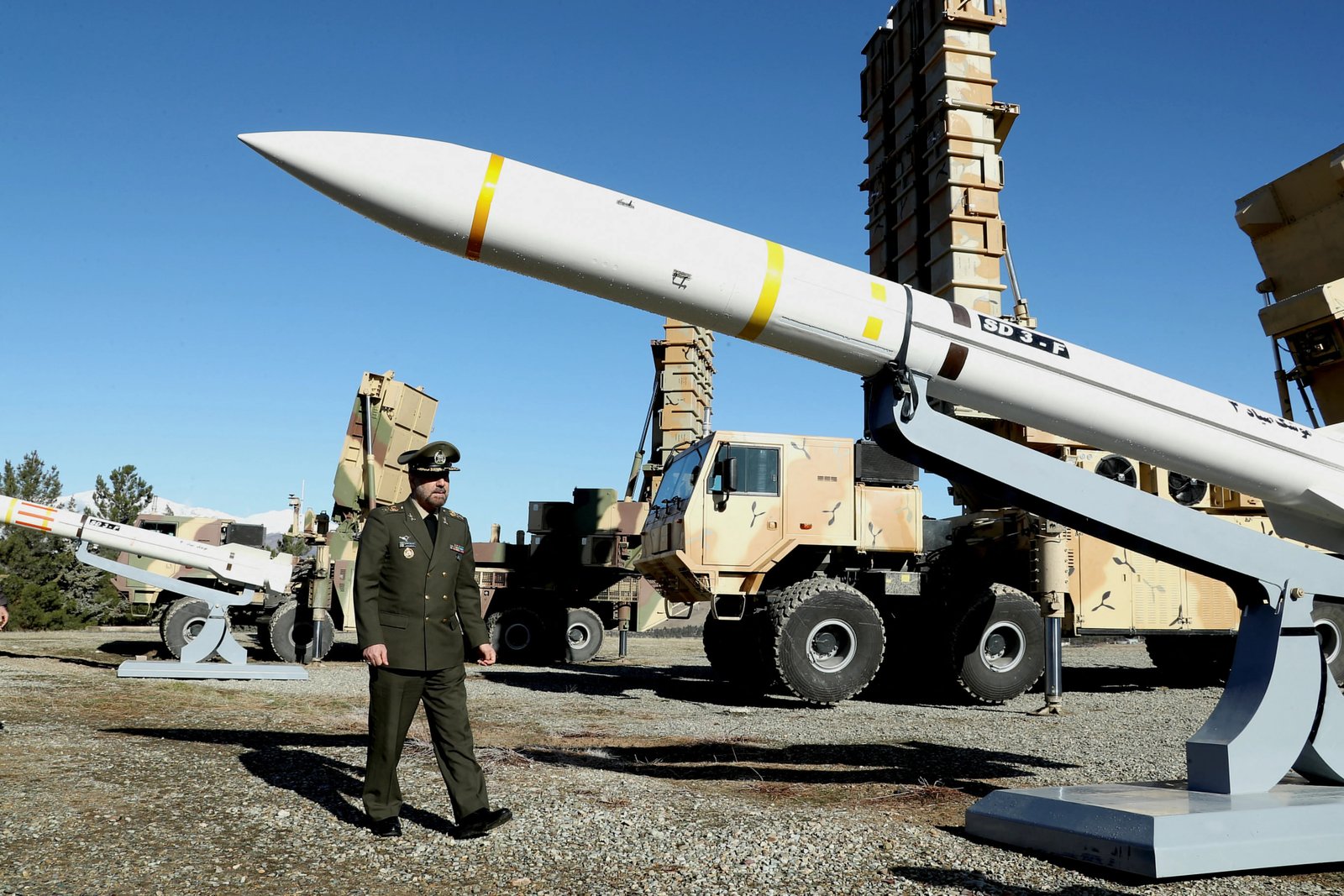


Gulf states are working on a broad diplomatic plan aimed at preventing renewed conflict between the United States and Iran. The effort focuses on reopening the Strait of Hormuz, reducing regional attacks and creating a framework for longer-term security. The discussions come as shipping disruptions and military threats continue to affect the region. Diplomats hope that a combination of guarantees, negotiations and economic measures could reduce the risk of another major escalation.
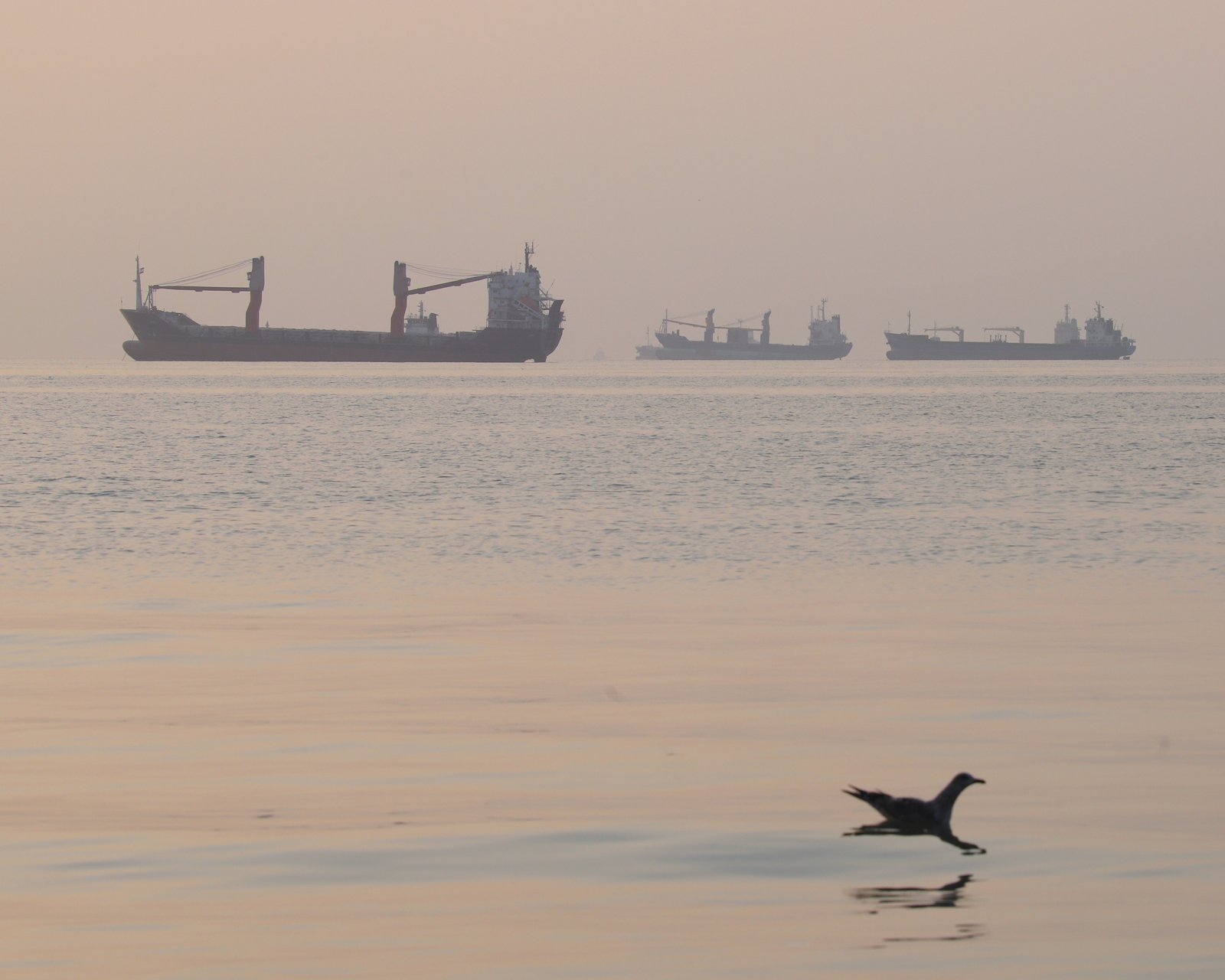
The Strait of Hormuz is central to the effort because it is a vital route for global energy shipments. Disruption in the strait can affect oil supplies, shipping costs and the wider economy. Governments outside the Middle East also have an interest in keeping the route open, as energy prices and transport delays can influence inflation and business confidence. A durable agreement would therefore have consequences far beyond the countries directly involved.
Iran has indicated that it could reopen the strait under certain conditions, including relief from sanctions. The United States is seeking additional assurances, including greater cooperation on nuclear oversight. Tehran has resisted linking the initial diplomatic effort to wider demands about its nuclear programme, arguing that sanctions and other restrictions must be addressed. These differences show why negotiations remain difficult even when all sides have reasons to avoid a wider war.
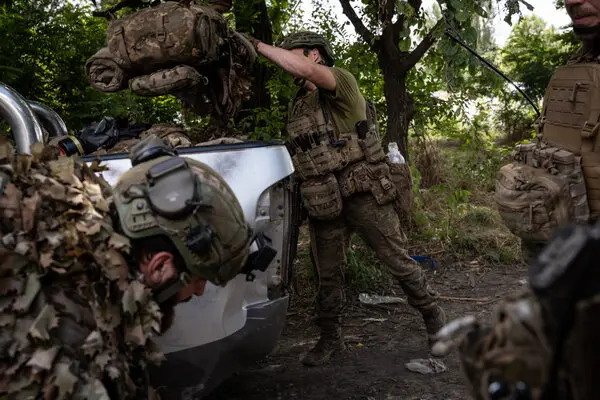
Regional governments are also seeking to reduce tensions involving Yemen’s Houthi movement. Attacks and threats around shipping routes have increased fears that the conflict could spread and damage important infrastructure. Saudi Arabia and other states want stronger guarantees against further attacks, while Iran’s role in the region remains a major concern for Washington and its partners. Diplomats are trying to connect these security issues to a broader arrangement rather than treat each incident separately.
Oman and other regional actors have supported dialogue that includes Gulf states and Iran. Supporters of an inclusive framework argue that lasting security cannot depend only on military deterrence. They say countries need channels for communication, agreed limits on hostile actions and ways to manage disputes before they become crises. A regional non-aggression arrangement could offer a basis for such cooperation, though it would require trust that has been damaged by years of conflict.
The United States faces its own choices. Washington wants to reduce threats to its partners and protect maritime routes, while avoiding the costs of a prolonged war. Iran, meanwhile, is seeking sanctions relief and guarantees against further attacks. The positions remain far apart, and both sides face pressure at home not to appear weak. Negotiators will need to find steps that each government can present as a meaningful gain.
A peace deal would also need a way to monitor compliance. Statements of intent are unlikely to be enough if attacks continue or shipping remains at risk. Diplomatic teams may need agreed reporting systems, communication channels and clear procedures for responding to violations. Such measures can help reduce misunderstandings, although they cannot remove every risk of escalation.
The diplomatic initiative reflects the growing recognition that regional conflict carries global costs. Energy markets, trade routes and civilian communities are all exposed to the consequences of renewed fighting. The path to agreement remains uncertain, but sustained negotiations could create space for de-escalation. The central test will be whether the parties can turn broad proposals into practical commitments that reduce violence and build confidence over time.