


Pakistan is positioning itself as a crucial intermediary between the United States and Iran, even as its own economy teeters on the edge of crisis. Burdened by debt and financial instability, Islamabad is stepping onto the global stage as a broker of peace in one of the most tense geopolitical arenas.
According to Daljoog News analysis, Pakistan’s role demonstrates its enduring strategic relevance. Despite domestic pressures, its geographic proximity to Iran, historical ties, and diplomatic experience make it indispensable for facilitating dialogue between Washington and Tehran.
The moment is particularly significant because the region stands on a knife-edge. With US-Iran tensions escalating, Pakistan’s actions could help prevent a wider conflict that would directly impact its borders and population.
What Happened?
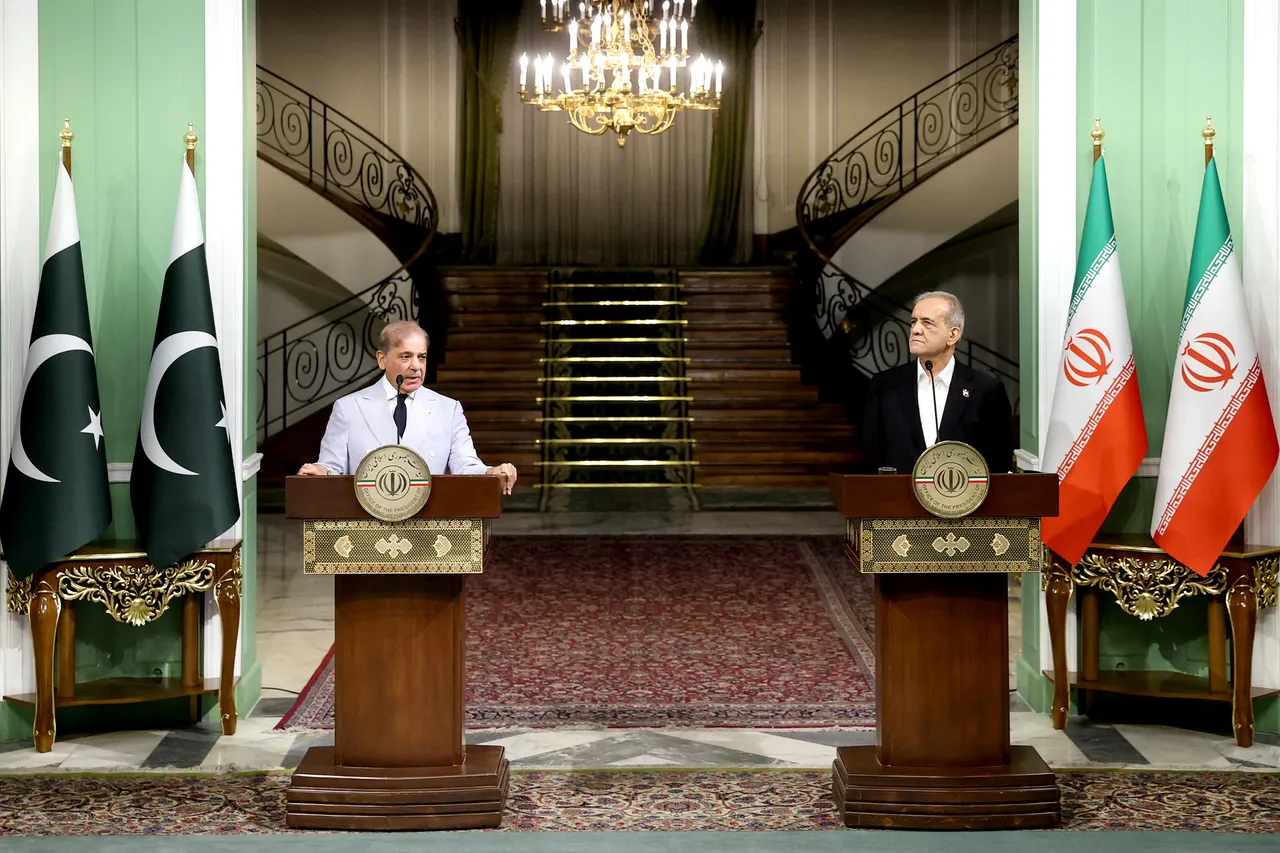
Reports indicate that on March 23, Pakistan’s Army Chief, Field Marshal Asim Munir, engaged directly with US President Donald Trump while also maintaining contact with senior Iranian officials. The following day, Prime Minister Shahbaz Sharif formally conveyed Pakistan’s mediation proposal to Iranian President Massoud Pageskian over the phone.
Through these efforts, Pakistan delivered a 15-point peace initiative from Washington to Tehran. While Iran dismissed the plan as overly stringent and impractical, the channels of communication have remained active. Reuters reported on March 25 that Pakistan is serving as the primary conduit for dialogue, with Turkey assisting in message exchanges. Pakistan has also offered to host a high-level meeting if both sides agree.
Why This Matters
Pakistan’s importance stems from both geography and exposure. Sharing a border of over 900 kilometers with Iran, any full-scale conflict would immediately affect Pakistan through refugee flows, border skirmishes, and energy supply disruptions. The country has firsthand experience from Afghanistan, where its cooperation was critical during the US withdrawal in 2021. Analysts highlight that the United States understands the value of Pakistan’s logistical and strategic support in regional operations.
Historically, Pakistan has been a trusted intermediary; US administrations have used Pakistan’s embassies to handle Iranian affairs since 1992. Its unique position, maintaining relationships with both China and the United States while hosting the world’s second-largest Shia population outside Iran, gives Islamabad additional leverage. Pakistan is also the only nuclear-armed Muslim-majority country, enhancing its regional influence.
What Analysts or Officials Are Saying
Experts note that while Pakistan’s diplomatic weight is significant, its economic fragility limits its negotiating strength. Repeated shifts in policy positions have occasionally raised questions about Islamabad’s reliability on the international stage. Nonetheless, its geographic proximity, historical experience, and cultural ties to Iran provide a strategic advantage that few countries can match.
Observers suggest that Pakistan’s mediation is both an opportunity and a challenge. Effective facilitation could elevate its global profile, but economic instability and domestic constraints may hinder consistent engagement, especially in protracted negotiations.
Daljoog News Analysis
Pakistan’s role reflects a broader pattern in global diplomacy: countries with geographic and cultural leverage can punch above their economic weight in strategic conflicts. Islamabad’s intervention in US-Iran tensions underscores the balance of necessity and pragmatism. The country is leveraging historical ties, regional knowledge, and its unique position in the Muslim world to maintain relevance, even as internal challenges constrain its options.
Pakistan’s mediation is also a signal to other regional actors that it remains a pivotal player, capable of influencing high-stakes diplomacy. Its actions may encourage cautious optimism that dialogue, however fragile, can reduce the risk of confrontation between nuclear-capable powers.
What Happens Next
Diplomats anticipate continued back-and-forth via Pakistan, with potential high-level meetings on the horizon if Iran and the US agree to engage. Analysts will be watching both the substance of proposals and the pace of communications, as delays or missteps could have immediate consequences for regional security.
Pakistan’s challenge will be to maintain credibility while managing domestic pressures and economic instability. The coming weeks could define whether Islamabad’s role is remembered as a successful broker of peace or a missed opportunity in one of the world’s most sensitive geopolitical theaters.