


Russian forces have intensified attacks across several regions of Ukraine, leaving civilians dead and injured while damaging key infrastructure. Areas including Kharkiv, Sumy, Nikopol, and Donetsk have all reported fresh casualties.
According to Daljoog News analysis, the surge in strikes reflects a deliberate escalation aimed at overwhelming Ukraine’s defenses while increasing psychological and strategic pressure.
The timing is critical, as renewed diplomatic efforts are beginning to take shape. Talks involving Turkey suggest that both sides may be exploring options beyond continued military confrontation.
What Happened?
Ukraine reports a large wave of Russian drone attacks carried out overnight. Officials say nearly 300 drones were launched, with most intercepted by air defense systems.
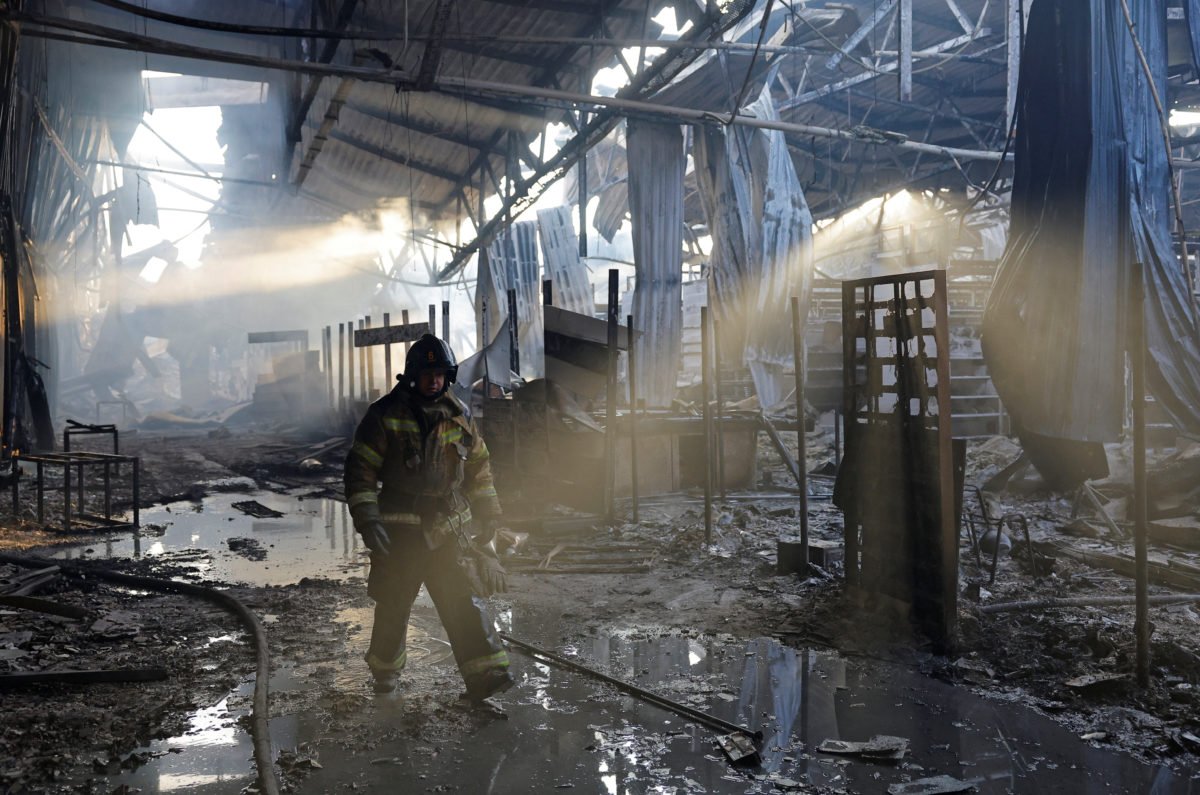
Even so, several drones managed to hit their targets. Damage has been reported at key facilities, while falling debris from intercepted drones caused additional destruction and injuries in multiple areas.
In the Kharkiv region, attacks hit several towns and villages, resulting in deaths. In Sumy, drone strikes injured several civilians, including children. In Nikopol, a strike on a marketplace led to multiple fatalities and many injuries.
Fighting also intensified in Donetsk, where additional casualties were recorded. Ukrainian authorities warn that frontline regions are becoming increasingly dangerous for civilians.
In response, Ukrainian forces carried out strikes on Russia’s Rostov region. Reports from that area indicate fires and casualties, suggesting the conflict is continuing to expand across borders.
Why This Matters
The scale of these attacks signals a dangerous new phase in the war. Large drone barrages allow Russia to sustain pressure while testing Ukraine’s defensive capabilities.
For civilians, the impact is severe. Every day, locations such as markets and residential areas are being affected, increasing humanitarian risks.
Strategically, continued strikes on infrastructure could weaken Ukraine over time. At the same time, Ukraine’s counterattacks inside Russia highlight a widening scope of operations.
This dynamic raises concerns among international observers. Any further escalation could disrupt regional stability and complicate efforts to control the conflict.
What Analysts or Officials Are Saying
Military analysts believe Russia is increasingly relying on drones to maintain consistent pressure without committing additional large ground forces.
Ukrainian officials emphasize that their air defenses remain strong, noting that most drones are intercepted. However, they acknowledge that even limited strikes can cause significant harm.
Turkish President Recep Tayyip Erdogan has renewed calls for dialogue, stressing the need to secure Black Sea shipping routes and protect energy supplies.
Ukrainian President Volodymyr Zelensky has indicated he is ready for direct talks with Russian President Vladimir Putin. He has expressed openness to leader-level discussions in various formats, including meetings hosted in Istanbul.
Observers caution that while diplomatic signals are emerging, they remain uncertain and fragile.
Daljoog News Analysis
The situation reflects a dual strategy from both sides. Military escalation continues alongside cautious diplomatic engagement.
Russia’s heavy use of drones points to a long-term pressure tactic designed to exhaust Ukraine’s defenses. This approach can sustain conflict without rapid escalation into full-scale offensives.
Ukraine, meanwhile, is keeping diplomatic channels open while maintaining military resistance. This balance may help secure international backing while preserving negotiation options.
However, continued attacks risk undermining any progress toward talks. Each strike adds complexity and reduces trust between the parties.
For now, the conflict appears to be entering a prolonged and uncertain phase, where both war and diplomacy move forward at the same time.
What Happens Next
Further drone strikes are likely in the coming days, as both sides continue to test defenses and responses.
Attention will shift to Turkey’s mediation efforts. Any movement toward talks in Istanbul could influence the pace of the conflict.
The possibility of direct talks between Zelensky and Putin remains uncertain but important. Even early discussions could signal a shift.
Until then, the situation on the ground remains volatile, with civilians facing the highest risk as the conflict intensifies.