

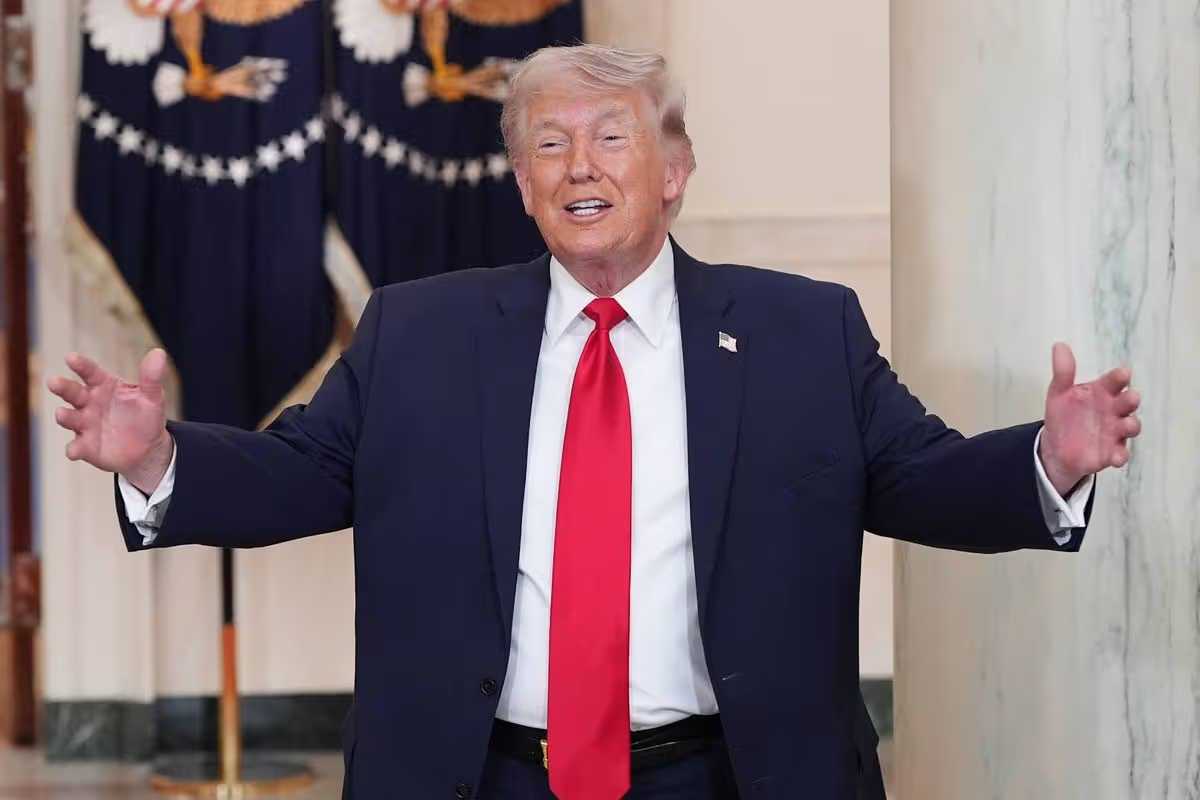
Rumors about the health of U.S. President Donald Trump spread rapidly online amid rising tensions linked to the Iran conflict, prompting a swift response from the White House. Claims circulated suggesting the 79-year-old leader had been hospitalized, triggering widespread speculation.
According to Daljoog News analysis, the situation highlights how quickly unverified claims can gain traction during periods of geopolitical stress, especially when public attention is already heightened.
The timing of the rumors added to their impact. With ongoing military developments in the Middle East and increased public focus on leadership stability, even minor disruptions to official schedules can spark outsized reactions.
What Happened?
The speculation began after changes to Trump’s public schedule. Reports noted that a planned day included only limited “executive time,” followed by an announcement that he would not appear publicly.
Soon after, posts on social media claimed that Trump had been admitted to Walter Reed National Military Medical Center. Additional rumors suggested heightened security around the facility, including road closures.
These claims spread quickly, amplified by commentary from online personalities and political observers. The lack of immediate public appearances fueled further speculation, particularly given Trump’s typically active media presence.
However, no confirmed evidence supported the hospitalization claims. Journalists and fact-checkers reported no unusual activity around Walter Reed, including the absence of presidential motorcades or increased security measures.
Why This Matters
The incident underscores the growing role of misinformation during times of political and military tension. In fast-moving situations, unverified claims can influence public perception before facts are established.
For political leaders, visibility plays a crucial role in maintaining confidence. Even routine schedule changes can be misinterpreted, especially when combined with existing concerns such as age or health.
The spread of such rumors also reflects broader challenges facing digital platforms. Information can travel globally within minutes, often outpacing official responses or verification efforts.
In this case, the intersection of domestic political interest and international conflict created an environment where speculation could thrive.
What Analysts or Officials Are Saying
The White House responded through its rapid response team, dismissing the claims as baseless and attributing them to partisan speculation. Officials emphasized that Trump remained active and engaged in his duties.
Fact-checking organizations and media outlets also moved quickly to assess the claims. Their findings consistently showed no credible evidence that Trump had been hospitalized.
Analysts point out that high-profile figures are frequent targets of misinformation, particularly during sensitive geopolitical moments. They note that rumors about health can carry significant political implications, making them especially potent.
Observers also highlight the role of influential social media users in amplifying such narratives. A single post can trigger widespread discussion, even in the absence of verified information.
Daljoog News Analysis
The rapid spread of Trump health rumors reveals how fragile the information environment has become. In moments of uncertainty, speculation can quickly fill gaps left by limited official communication.
This case also illustrates the importance of visibility in leadership. When a public figure known for constant engagement suddenly steps back, even briefly, it can create space for doubt and rumor.
At a deeper level, the incident reflects a broader trend. Political discourse is increasingly shaped by real-time reactions rather than verified facts. This creates risks not only for individuals but also for public trust in institutions.
Daljoog News analysis suggests that managing information flow is now a critical aspect of governance. Clear and timely communication can reduce the likelihood of misinformation gaining traction.
What Happens Next
While the immediate rumors have been addressed, similar incidents are likely to recur. As long as geopolitical tensions remain high, public attention on leadership will stay intense.
Officials may take additional steps to maintain transparency around schedules and public appearances. This could help reduce speculation in future situations.
At the same time, social media platforms and fact-checkers will continue to play a key role in identifying and countering misinformation. Their ability to respond quickly will influence how widely such claims spread.
Ultimately, the episode serves as a reminder that in today’s media landscape, perception can shift rapidly. Ensuring accuracy and maintaining trust will remain ongoing challenges for both governments and the public.