


Iranian missile strikes have hit the Israeli port city of Haifa, marking one of the most severe attacks since the current conflict began. The overnight assault targeted key areas, including residential zones, leaving at least two people dead and several others trapped under debris.
According to Daljoog News analysis, the scale and location of the attack point to a deliberate escalation, with Haifa’s strategic importance making it a high-value target in the broader confrontation.
The strikes come amid intensifying regional instability, as multiple Middle Eastern countries report intercepting missiles and drones linked to the same wave of attacks.
What Happened?
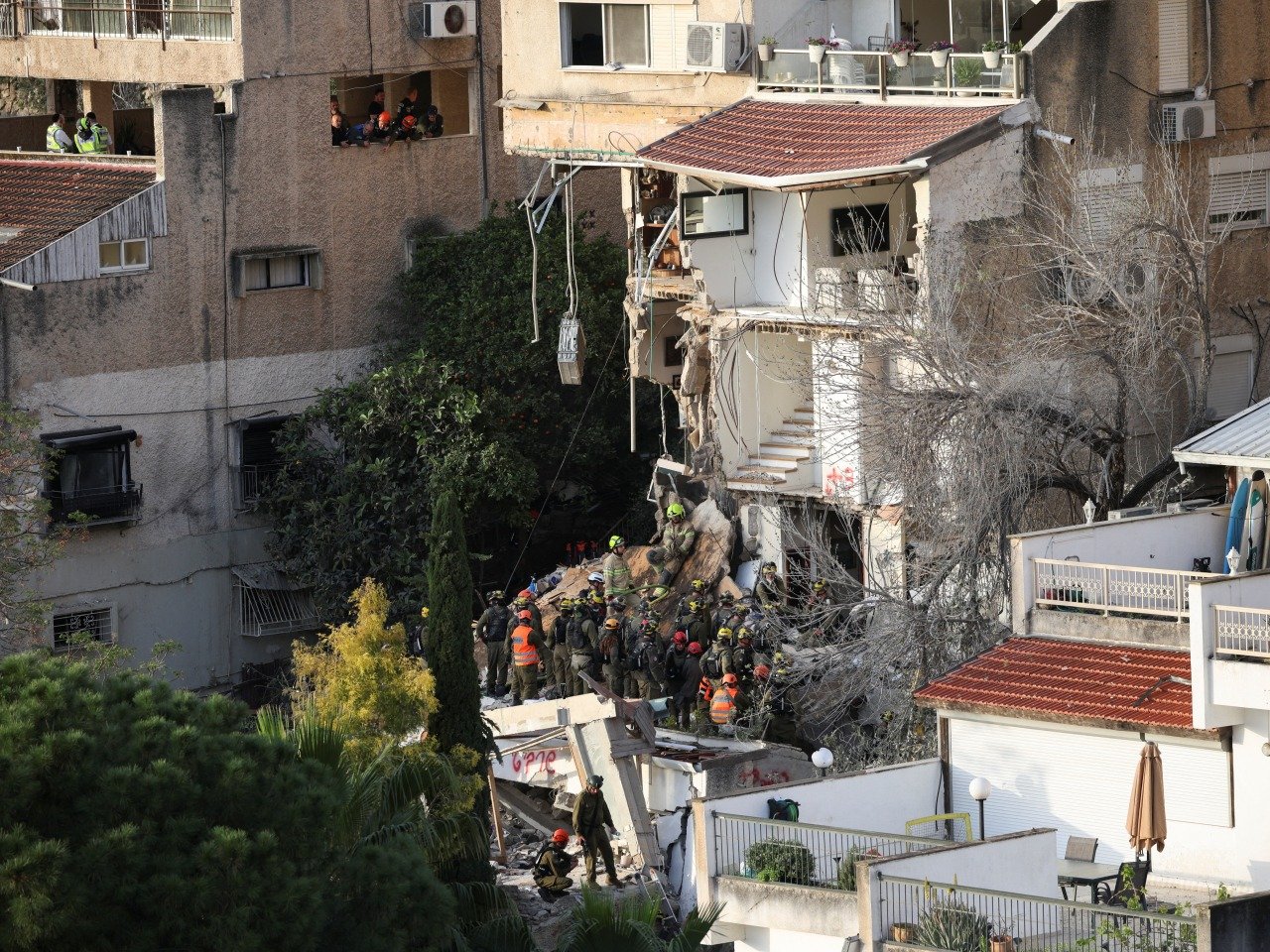
Missiles launched by Iran’s Islamic Revolutionary Guard Corps struck Haifa late Sunday night, causing widespread destruction across the northern Israeli city. Several projectiles hit residential neighborhoods, damaging buildings and leaving emergency teams scrambling to rescue those trapped beneath collapsed structures.
Israeli authorities confirmed fatalities and reported that multiple buildings had been severely damaged or destroyed. Rescue operations continued into the following day, with concerns that the death toll could rise as more victims are located.
Officials described the strike as one of the most damaging attacks on Haifa since hostilities intensified. The city, a critical maritime hub, holds both economic and military significance, increasing the impact of the assault.
In a separate incident, missiles also struck infrastructure in Tel Aviv, damaging water storage facilities and sewage systems. Flooding was reported in parts of the area as a result of the damage, complicating emergency response efforts.
Why This Matters
The targeting of Haifa marks a significant shift in the conflict’s intensity. As one of Israel’s key port cities, any disruption there carries both economic and strategic consequences.
Damage to civilian infrastructure in Tel Aviv further highlights the expanding scope of the attacks. Strikes on water and sewage systems suggest an effort to disrupt daily life and strain public services.
The broader regional response also raises concern. Kuwait reported intercepting multiple incoming missiles and drones, while Jordan and Saudi Arabia confirmed downing aerial threats linked to the same escalation.
What Analysts or Officials Are Saying
Israeli officials have emphasized the severity of the Haifa strike, describing it as a major escalation that targeted both civilian and strategic sites. Emergency services highlighted the scale of destruction and the challenges faced in rescue operations.
Regional military sources reported heightened alert levels following the attacks. Defense systems in several countries were activated, with successful interceptions reported in Kuwait, Jordan, and Saudi Arabia.
Security analysts view the coordinated nature of the strikes as a sign of increasing complexity in the conflict. The use of both missiles and drones across multiple locations indicates a broader operational strategy.
Daljoog News Analysis
The attack on Haifa represents more than a tactical strike. It signals a potential turning point in the conflict. By targeting a city of such strategic value, Iran appears to be testing both Israel’s defenses and the international response.
The simultaneous pressure across multiple fronts suggests a coordinated effort to stretch defensive systems and create uncertainty. This approach increases the risk of miscalculation, especially as more countries activate their air defense networks.
Equally significant is the impact on civilians. Strikes on residential areas and critical infrastructure indicate a shift toward broader disruption rather than limited military objectives. This raises concerns about humanitarian consequences and long-term stability.
From a geopolitical standpoint, the involvement of neighboring states underscores how fragile the regional balance has become. Even defensive actions, such as intercepting drones, can deepen tensions and complicate diplomatic efforts.
What Happens Next
Attention now turns to Israel’s response and whether further retaliatory measures will follow. Military analysts expect heightened activity in the coming days, with both sides potentially preparing for additional strikes.
Regional governments are likely to maintain high alert levels, particularly those that have already reported interceptions. Increased coordination among defense systems could become a key factor in preventing further escalation.
Diplomatic channels may also come under pressure, as international actors seek to contain the situation and prevent a broader conflict.
For civilians in affected areas, the immediate focus remains on safety and recovery. However, the longer-term outlook will depend on whether tensions ease or continue to intensify across the region.