


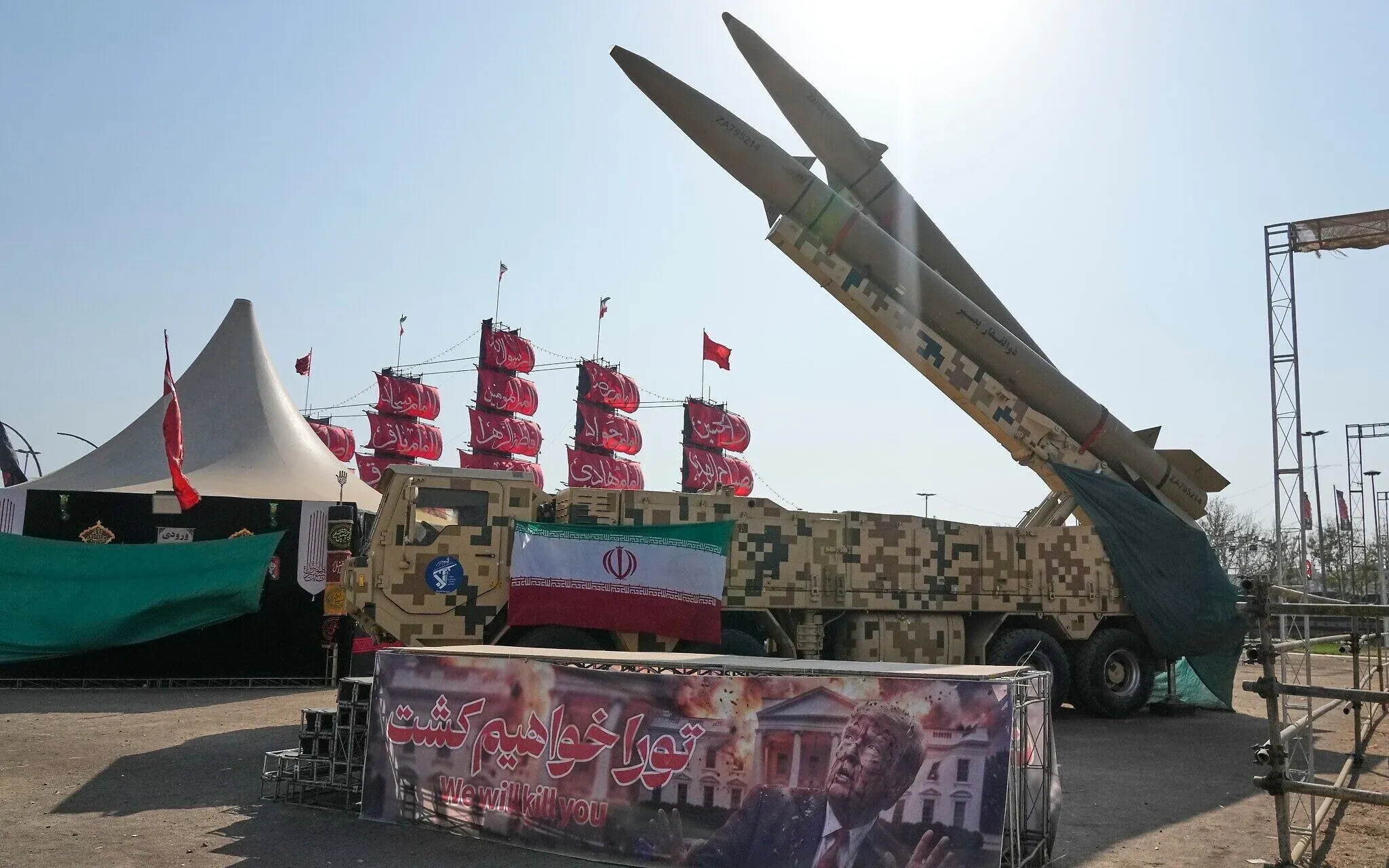
Iranian officials confirmed this week that Iran unveils new missile threatens escalation with an upgraded ballistic weapon system, warning the United States that the country will take action against any perceived threat even before it is actually carried out against Iranian interests.
This announcement represents a significant escalation in rhetoric during the extended conflict, with Iranian military officials emphasizing the enhanced capabilities of their newly upgraded missile system as evidence of continued resolve despite months of sustained military pressure from opposing forces.
Iranian state media provided limited technical details about the specific capabilities of this new missile system, though officials characterized the weapon as representing a significant advancement over previous versions that have factored prominently throughout the extended regional conflict.
This warning of potential preemptive action marks a notable rhetorical shift, suggesting Iran may consider striking first against perceived threats rather than solely responding to attacks already carried out, a posture that could significantly increase the risk of further military escalation.
Western military analysts have expressed skepticism about certain claims regarding Iran’s missile capabilities, noting that previous statements from Iranian officials have sometimes overstated actual military capacity, though the underlying threat still carries genuine strategic significance given ongoing hostilities.
This latest missile announcement occurs amid broader military activity throughout the region, including recent Iranian claims of missile and drone attacks against American military bases in the Persian Gulf, conducted in stated retaliation for previous American strikes against Iranian territory.
Regional allies hosting American military forces have expressed renewed concern following this latest rhetorical escalation, given their history of finding themselves caught amid exchanges between American and Iranian forces throughout the extended conflict affecting the broader region.
International diplomatic efforts aimed at reducing tensions continue facing significant challenges amid this kind of escalating rhetoric, with each new provocative statement further complicating any potential pathway toward meaningful negotiations between the conflict’s primary parties.
Iranian domestic political considerations may factor into this public display of military capability, with the government potentially seeking to demonstrate continued strength and resolve to domestic audiences amid economic pressures resulting from sustained conflict and international isolation.
American officials have not yet issued detailed public response to this specific missile announcement, though the broader pattern of escalating rhetoric from both sides suggests continued military tension remains far more likely than imminent diplomatic breakthrough in the near term.
As this latest development adds to an already volatile regional security situation, international attention remains focused on whether this rhetorical escalation translates into actual military action. The coming days will likely prove significant in determining whether this represents genuine capability advancement or primarily symbolic messaging amid the ongoing conflict.