

Muhuzi Kainerugaba Turkey remarks have triggered a wave of international backlash after Uganda’s military chief posted controversial statements on social media targeting Turkey, including financial demands and inappropriate personal comments. The posts quickly drew diplomatic concern.
According to Daljoog News analysis, the incident reflects a growing risk in global politics where unregulated digital communication by senior officials can rapidly escalate tensions between states.
The controversy has intensified debate over military conduct, diplomatic discipline, and the boundaries of personal expression for individuals holding high-ranking security positions.
What Happened?
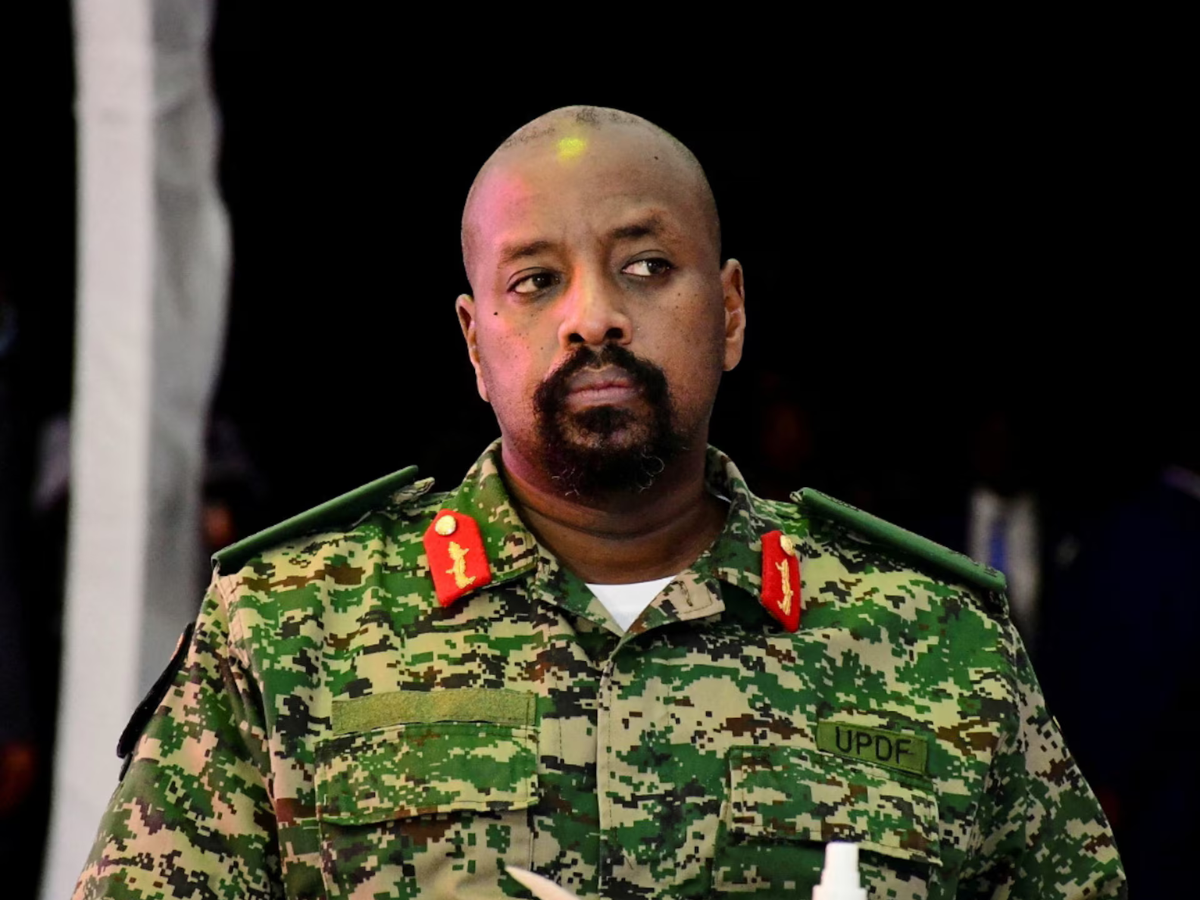
Muhuzi Kainerugaba Turkey remarks were made by Uganda’s military chief Muhoozi Kainerugaba through a series of social media posts that directly criticized Turkey and its involvement in Somalia.
He claimed Uganda deserved financial compensation for its security contribution in Somalia, arguing that Turkish companies were benefiting from infrastructure and development projects in the region.
In his posts, he demanded around one billion dollars as what he described as a “security dividend” and issued warnings that diplomatic relations could be affected if the demands were not met within a set timeframe.
The remarks also included highly inappropriate personal comments about Turkish women, which triggered strong criticism and accusations of diplomatic misconduct and offensive rhetoric.
Additional statements suggested military superiority claims, further escalating tensions and drawing attention from international observers.
Turkey has not issued a detailed official response at the time of reporting, although diplomatic observers expect the issue to be addressed through formal channels if necessary.
Why This Matters
The Muhuzi Kainerugaba Turkey remarks matter because they highlight how individual statements from senior military officials can create diplomatic strain even without official government endorsement.
Such incidents show how social media has become a high-risk platform for international communication, where informal posts can carry formal consequences.
Uganda’s role in Somalia’s security landscape makes the situation more sensitive, as it involves multinational cooperation against armed groups such as Al-Shabaab.
The controversy also raises concerns about professionalism, accountability, and the need for clear communication protocols within military leadership structures.
What Analysts or Officials Are Saying
Experts analyzing the Muhuzi Kainerugaba Turkey remarks say the incident underscores the risks of mixing personal social media activity with official military authority.
International relations analysts note that even unofficial statements can influence diplomatic perceptions and force governments to respond defensively.
Security observers highlight that Uganda’s participation in regional peacekeeping operations in Somalia makes financial and political claims particularly sensitive.
Commentators also stress that personal or culturally offensive remarks can significantly damage diplomatic trust, even if later deleted or clarified.
Reports indicate that some posts were removed after public backlash, suggesting recognition of their diplomatic sensitivity.
Daljoog News Analysis
The Muhuzi Kainerugaba Turkey remarks illustrate a broader global challenge where state authority and personal digital communication increasingly overlap.
In earlier diplomatic eras, statements from senior military figures were filtered through official channels. Today, social media bypasses those safeguards, allowing rapid but uncontrolled messaging.
This shift increases the likelihood of misunderstandings, especially when sensitive topics such as military operations, foreign aid, and international partnerships are involved.
It also raises questions about how states manage reputational risk when high-ranking officials engage directly with global audiences without institutional oversight.
Daljoog News analysis suggests that without stricter communication frameworks, similar incidents may continue to disrupt diplomatic relationships and complicate international cooperation efforts.
What Happens Next
The Muhuzi Kainerugaba Turkey remarks are expected to lead to quiet diplomatic engagement aimed at preventing further escalation between Uganda and Turkey.
Ugandan authorities may face internal pressure to clarify the official position and separate personal commentary from state policy.
Turkey is likely to assess the situation through diplomatic channels rather than engaging in public confrontation, depending on broader strategic considerations.
In the coming period, attention may shift toward whether new guidelines or restrictions are introduced for military officials’ use of social media platforms.
The situation remains sensitive, with potential implications for regional security cooperation and bilateral diplomatic stability.