


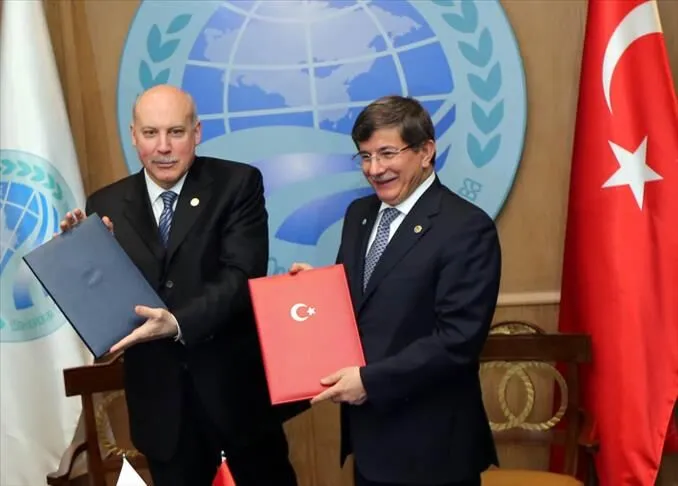
President Erdogan announced plans for deeper Turkey SCO cooperation this week, signaling a stronger relationship between Ankara and the Shanghai Cooperation Organization, a regional bloc that includes major powers such as China, Russia, and India. The announcement adds to a series of diplomatic moves reshaping regional alliances.
Turkey currently holds dialogue partner status with the organization, a step below full membership. Erdogan’s comments suggest growing interest in expanding that relationship, potentially paving the way for closer economic and security cooperation between Turkey and the bloc’s member nations in the years ahead.
This announcement came alongside news of a separate but related diplomatic development, as Turkey, Pakistan, and Saudi Arabia moved forward with a new regional security arrangement. Officials describe the agreement as the beginning of a broader security and cooperation framework among the three nations.
Analysts note that Turkey’s interest in deeper ties with the Shanghai Cooperation Organization reflects a broader pattern of countries seeking to diversify their international partnerships beyond traditional Western aligned structures. This shift comes amid ongoing global tension involving several major powers.
Turkey’s geographic position, bridging Europe and Asia, gives it a unique role in regional diplomacy. Strengthening ties with the Shanghai Cooperation Organization could provide Ankara with additional economic opportunities while also expanding its influence across a bloc that represents a significant share of the world’s population.
The timing of this announcement coincides with a major summit held by the organization, where leaders from member states gathered to mark the group’s founding anniversary. Turkey’s continued engagement with the bloc, even without full membership, highlights its interest in maintaining influence within these expanding diplomatic circles.
Officials from the new security arrangement between Turkey, Pakistan, and Saudi Arabia have described the pact as a foundation for future cooperation on defense and regional stability matters. Details about the specific scope of the agreement remain limited, though officials indicate further announcements will follow.
This wave of diplomatic activity comes during a period of heightened tension in the broader Middle East region, following recent military strikes between the United States and Iran near the Strait of Hormuz. Regional powers appear to be seeking additional security arrangements amid this ongoing instability.
Western officials have expressed interest in monitoring these developments closely, given Turkey’s role as a member of NATO alongside its growing engagement with organizations traditionally viewed as counterweights to Western influence. Balancing these relationships remains a delicate task for Turkish diplomacy.
Some analysts caution that announcements of deeper cooperation do not always translate into significant concrete action, noting that diplomatic statements often carry more symbolic than practical weight in the short term. The actual impact of these developments will likely become clearer only over an extended period.
As these various diplomatic threads continue developing, attention will remain focused on how Turkey balances its expanding relationships across different regional and global blocs. For now, this latest announcement adds another layer to an increasingly complex web of alliances taking shape across the wider region.