

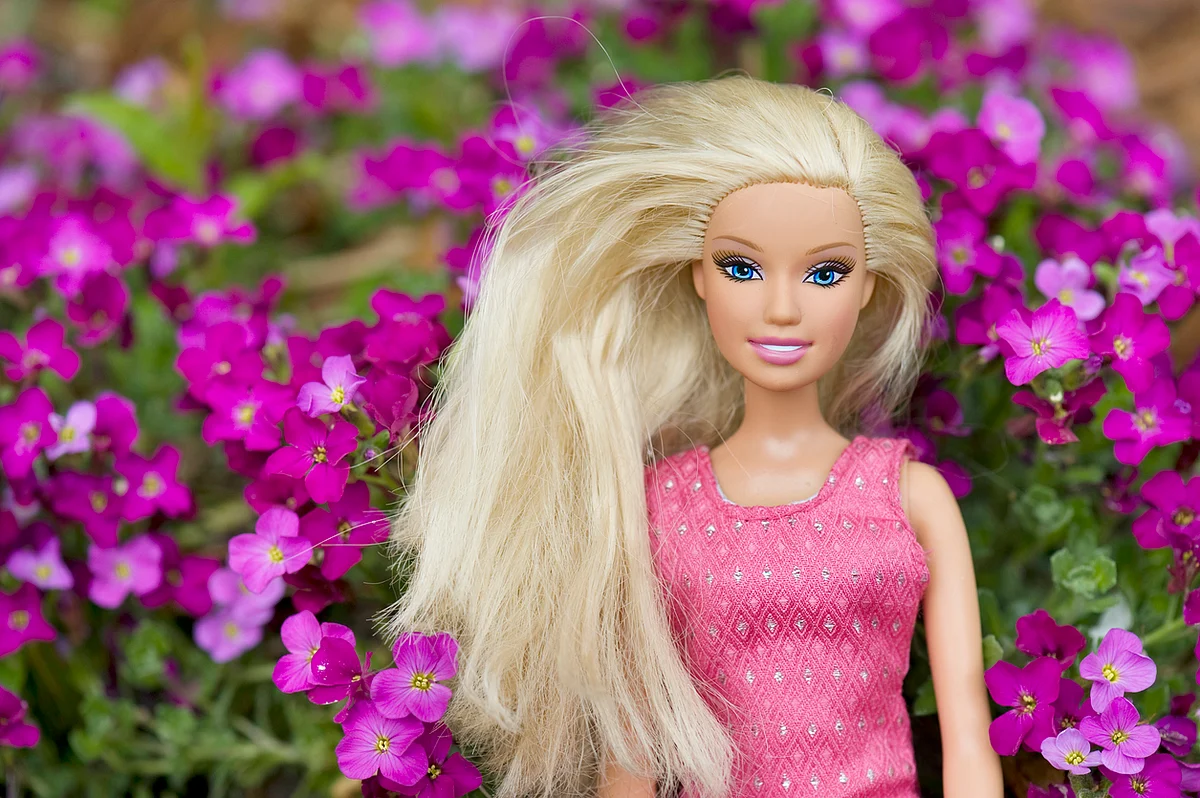
Toy collectors and pop culture enthusiasts alike are marking Barbie Doll Day celebrates the enduring legacy of one of the most recognizable and culturally significant toys ever created, honoring a fashion doll that has remained a fixture in popular culture for well over six decades.
Since her original debut in 1959, Barbie has undergone numerous transformations reflecting changing cultural attitudes, evolving career representations, and expanding diversity in body types, skin tones, and physical abilities designed to make the doll more representative of the children who play with her.
The doll’s cultural impact extends far beyond the toy aisle, with Barbie serving as a lens through which observers have examined broader conversations about beauty standards, career aspirations for young girls, and representation in children’s media across multiple generations of cultural commentary.
Collectors have driven a substantial secondary market for vintage and limited edition Barbie dolls, with certain rare or historically significant pieces commanding significant prices among dedicated enthusiasts who view these dolls as meaningful cultural artifacts rather than simply children’s playthings.
The brand has continuously evolved its career themed doll lines over the decades, introducing versions representing various professions from astronaut to computer engineer, reflecting deliberate efforts to expand the range of aspirations the doll represents for the children who play with her.
Diversity initiatives have become an increasingly prominent focus for the brand in recent decades, with expanded skin tone options, body type variations, and dolls representing different physical abilities reflecting broader industry and cultural shifts toward more inclusive representation in children’s toys.
Film and television adaptations have introduced Barbie to new generations while also reaching adult audiences who grew up with the doll, demonstrating the character’s remarkable staying power across different media formats and evolving entertainment consumption patterns over many decades.
Educational applications of the Barbie brand have expanded significantly, with initiatives specifically designed to encourage interest in science, technology, engineering, and mathematics fields among young girls, representing a deliberate effort to leverage the doll’s cultural influence toward specific educational goals.
Fashion design has remained central to the Barbie brand throughout its history, with the doll’s extensive wardrobe options reflecting changing fashion trends across decades while also providing a creative outlet for children interested in fashion design and styling from an early age.
International markets have embraced Barbie with varying cultural adaptations, with the brand introducing dolls and accessories reflecting different cultural traditions and celebrations around the world, extending the toy’s reach and relevance across diverse global markets and communities.
As this observance continues, the enduring popularity of Barbie serves as a testament to effective brand evolution over an extended period. Whether viewed through a nostalgic lens or examined for its ongoing cultural significance, the doll’s decades long journey continues generating both admiration and thoughtful cultural discussion.