



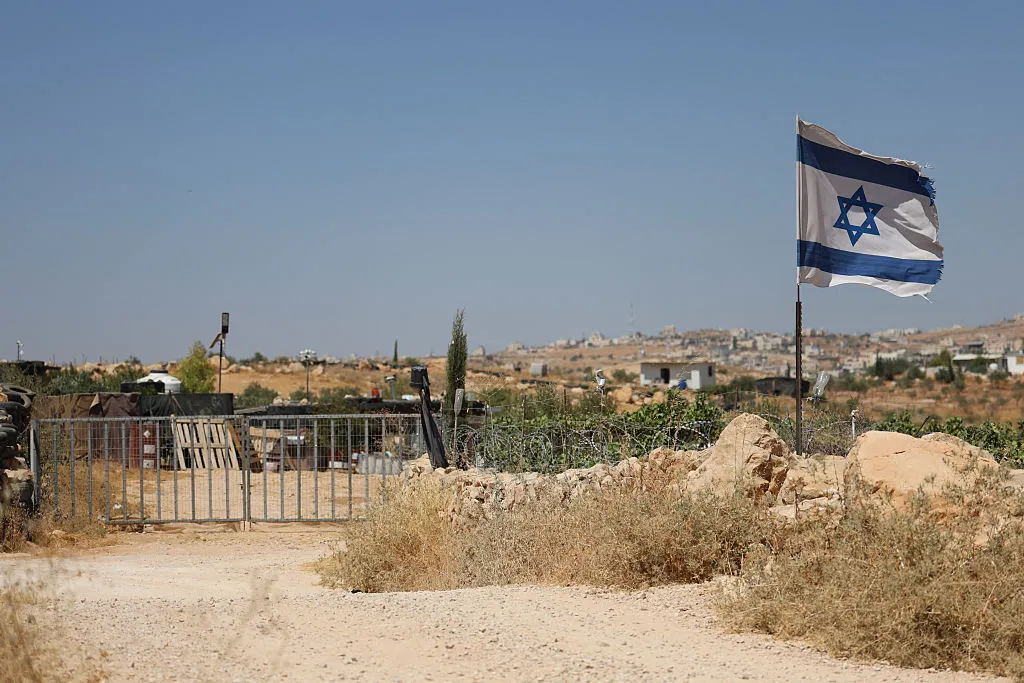
Israeli Prime Minister Benjamin Netanyahu Netanyahu orders removal outposts that were established by settlers without official government authorization in the West Bank, according to sources familiar with the matter, amid sustained pressure from the United States regarding settler related violence.
The order specifically targets unauthorized outposts, which typically consist of prefabricated structures housing small numbers of settlers who established their presence without formal permission from Israeli state authorities overseeing settlement activity throughout the occupied territories.
This directive represents a notable, if limited, concession from Netanyahu’s government, which has historically maintained close political relationships with settler movements and generally resisted significant pressure to curtail settlement expansion throughout the West Bank in previous years.
American officials have reportedly pressed Israel to address escalating settler attacks against Palestinians, with this order representing one tangible response to that sustained diplomatic pressure, even as broader questions remain about the scope and consistency of enforcement going forward.
Israeli authorities have periodically demolished unauthorized outposts in the past, while also formally recognizing others and granting them access to government funding, creating an inconsistent historical pattern regarding how the government has actually treated various unauthorized settlement structures over time.
This selective enforcement history raises questions among observers about how comprehensively this latest order will actually be implemented, given previous instances where announced crackdowns on unauthorized outposts produced limited lasting change in the broader settlement landscape.
Palestinian officials have cautiously welcomed the announcement while expressing skepticism about whether this limited action addresses the broader pattern of settlement expansion and settler violence that has significantly affected Palestinian communities throughout the West Bank in recent years.
Settler organizations have pushed back against the directive, arguing that removing any outposts, even unauthorized ones, undermines the broader settlement enterprise and sends concerning signals about the government’s commitment to supporting continued Jewish presence throughout the West Bank.
International human rights organizations have long documented concerns about settler violence against Palestinian communities, with various reports highlighting property destruction, physical attacks, and other incidents that have increased tension throughout areas where settlements and Palestinian communities exist in close proximity.
This development occurs amid broader international attention on West Bank settlement policy, with various governments and international bodies periodically raising concerns about how continued settlement activity affects prospects for eventual resolution of the broader Israeli Palestinian conflict.
As this directive moves toward potential implementation, attention will focus on how comprehensively Israeli authorities actually enforce the outpost removal order. Given the complex political dynamics involved, including Netanyahu’s coalition dependencies on settler aligned political parties, the practical impact of this announcement remains uncertain in the months ahead.