


A United Nations special rapporteur has urged Indonesia to reconsider its participation in US President Donald Trump’s proposed “Board of Peace” initiative for Gaza, arguing that the arrangement gives insufficient representation to Palestinians. The comments have renewed debate about how international efforts to stabilise Gaza should be structured and who should have a central role in decisions about its future.
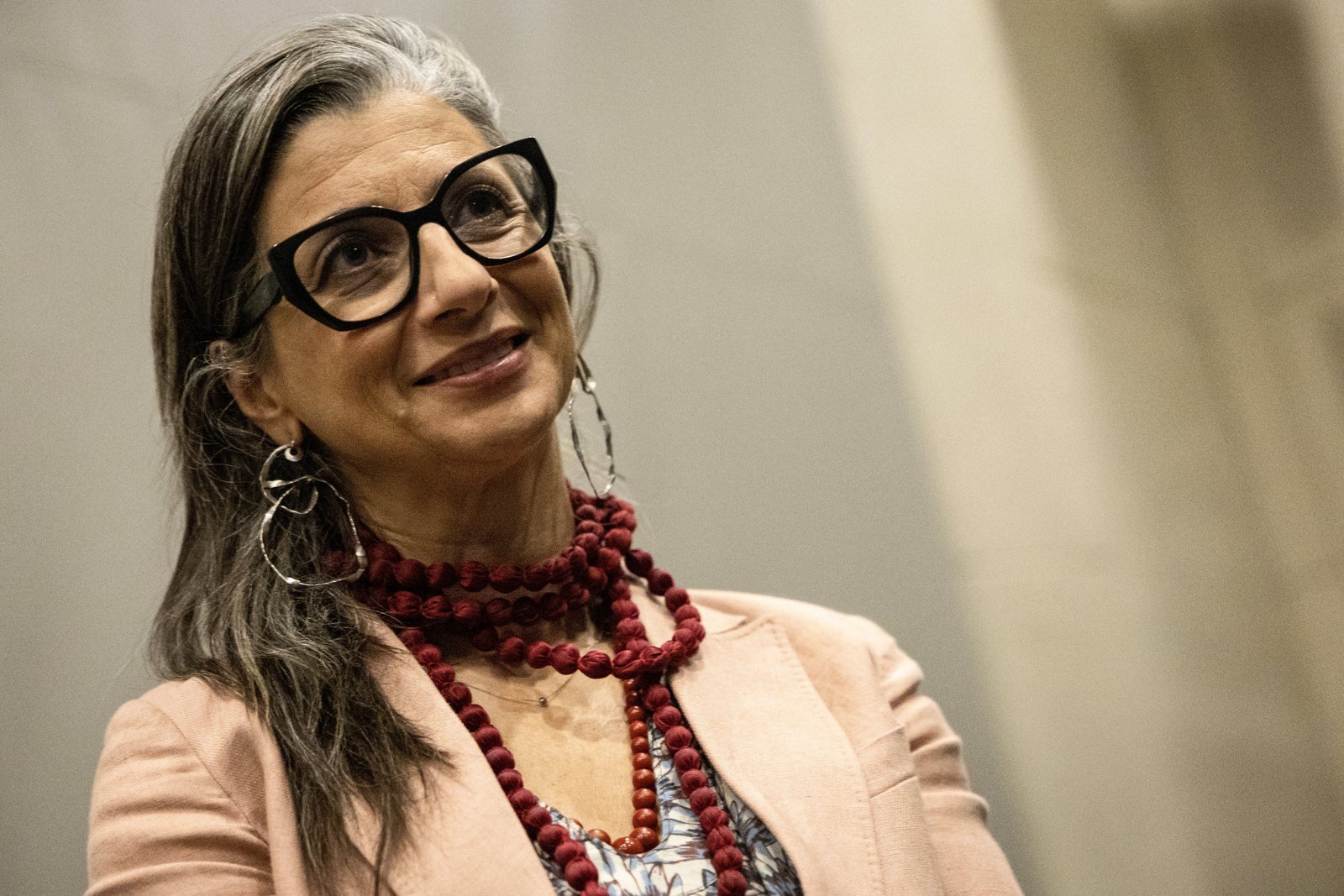
Francesca Albanese, the UN special rapporteur on the situation of human rights in the Palestinian territories, criticised what she described as the dominant roles of the United States and Israel in the initiative. She argued that Indonesia’s involvement could lend legitimacy to a process that does not adequately include Palestinian voices.
Indonesia has long supported the Palestinian cause and is the world’s largest Muslim-majority country. Its government has pledged troops for a proposed stabilisation force in Gaza under the initiative. Indonesian officials have said discussions about the board are currently on hold, while domestic Muslim groups have also questioned the country’s participation.
President Prabowo Subianto has said Indonesia would withdraw if its involvement did not benefit Palestinians. That position reflects the political importance of the issue at home, where public support for Palestinian rights has been strong.
Albanese suggested Indonesia consider joining the Hague Group, which supports international legal measures concerning Israel’s actions. Her comments form part of a wider debate over how international law, diplomacy and security arrangements should shape the future of Gaza.
The initiative has made limited progress since a ceasefire in 2025. Israeli military activity has continued, and efforts to dismantle Hamas have stalled. Israel rejects allegations of genocide made by rights groups and a UN commission, while humanitarian and political questions remain unresolved.
Any plan for Gaza must address immediate security needs as well as governance, reconstruction and the rights of the Palestinian population. International participation can provide resources and political support, but the legitimacy of an arrangement may depend on whether affected communities have a meaningful voice in decisions.
Indonesia now faces a diplomatic choice involving its international relationships and its stated support for Palestinians. Its government will need to weigh whether participation offers practical benefits or risks undermining its broader position.
The debate highlights a central challenge for international diplomacy: a peace initiative needs more than the backing of powerful governments. It also requires credible representation, clear responsibilities and a process that those most affected can regard as legitimate.