

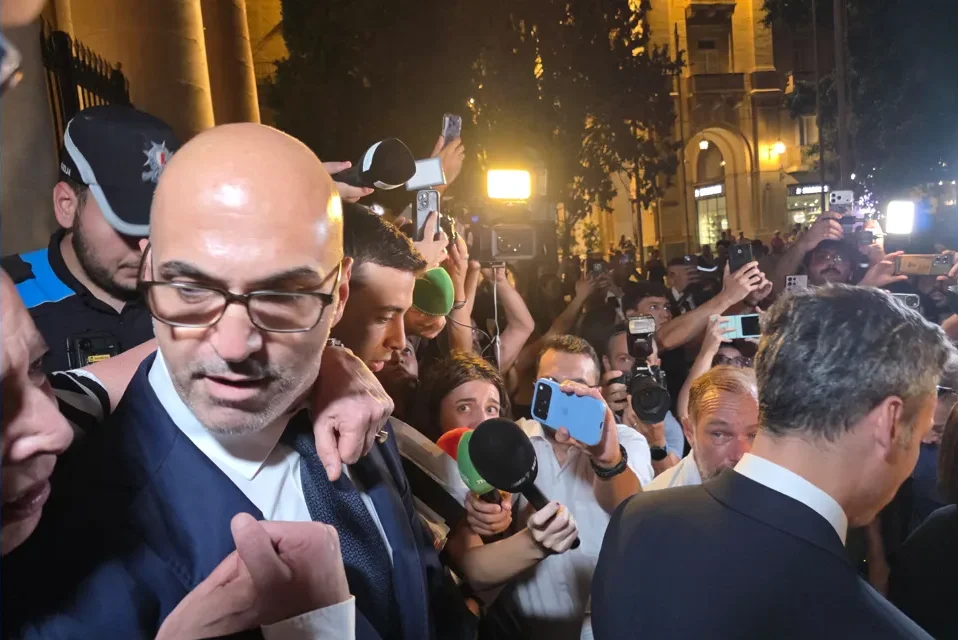
In a significant verdict, a Maltese jury acquits businessman Yorgen Fenech of complicity in the 2017 car bomb killing of investigative journalist Daphne Caruana Galizia, finding him not guilty by an eight to one vote on both complicity and criminal association charges.
The verdict concludes a lengthy and closely watched legal proceeding connected to one of Malta’s most significant criminal cases in recent history, involving the murder of a journalist whose investigative reporting had examined corruption allegations reaching into the highest levels of Maltese government and business.
Caruana Galizia was killed when a car bomb detonated near her home in October 2017, an assassination that drew widespread international condemnation and significant scrutiny of Malta’s rule of law, given the journalist’s extensive reporting on alleged corruption before her death.
Fenech, a prominent Maltese businessman, had faced charges alleging his involvement in orchestrating the murder, with prosecutors arguing he had motive connected to business dealings that Caruana Galizia’s reporting had potentially threatened to expose through her ongoing investigative journalism work.
The jury’s verdict represents a significant setback for prosecutors who had built their case around Fenech’s alleged connections to individuals more directly involved in carrying out the physical bombing, with the defense successfully challenging the strength of evidence connecting Fenech to the murder plot.
This outcome has drawn strong reactions from press freedom organizations and Caruana Galizia’s family, who have long advocated for full accountability regarding her murder, viewing the case as a critical test of Malta’s commitment to justice for attacks against journalists and press freedom.
International journalism advocacy groups have expressed disappointment with the verdict, though some have noted that other individuals more directly connected to the physical bombing have faced separate legal proceedings and convictions related to their roles in carrying out the assassination.
Malta’s judicial system has faced significant international scrutiny throughout the extended legal proceedings connected to this case, with various observers monitoring how thoroughly authorities pursued accountability for a murder that many view as a direct attack on press freedom and anti corruption journalism.
Caruana Galizia’s family has indicated they will continue pursuing accountability through whatever legal avenues remain available, expressing continued determination to ensure full responsibility for her murder is established despite this particular verdict regarding Fenech’s alleged involvement.
The case has had lasting political implications within Malta, contributing to broader governmental changes and reforms following revelations about corruption connections that emerged during the extensive investigation into Caruana Galizia’s murder and the events leading up to it.
As this verdict reverberates through Malta’s political and journalistic communities, questions remain about what additional accountability, if any, might still emerge from this case. For press freedom advocates worldwide, this outcome adds to ongoing concerns about achieving full justice in cases involving violence against journalists.