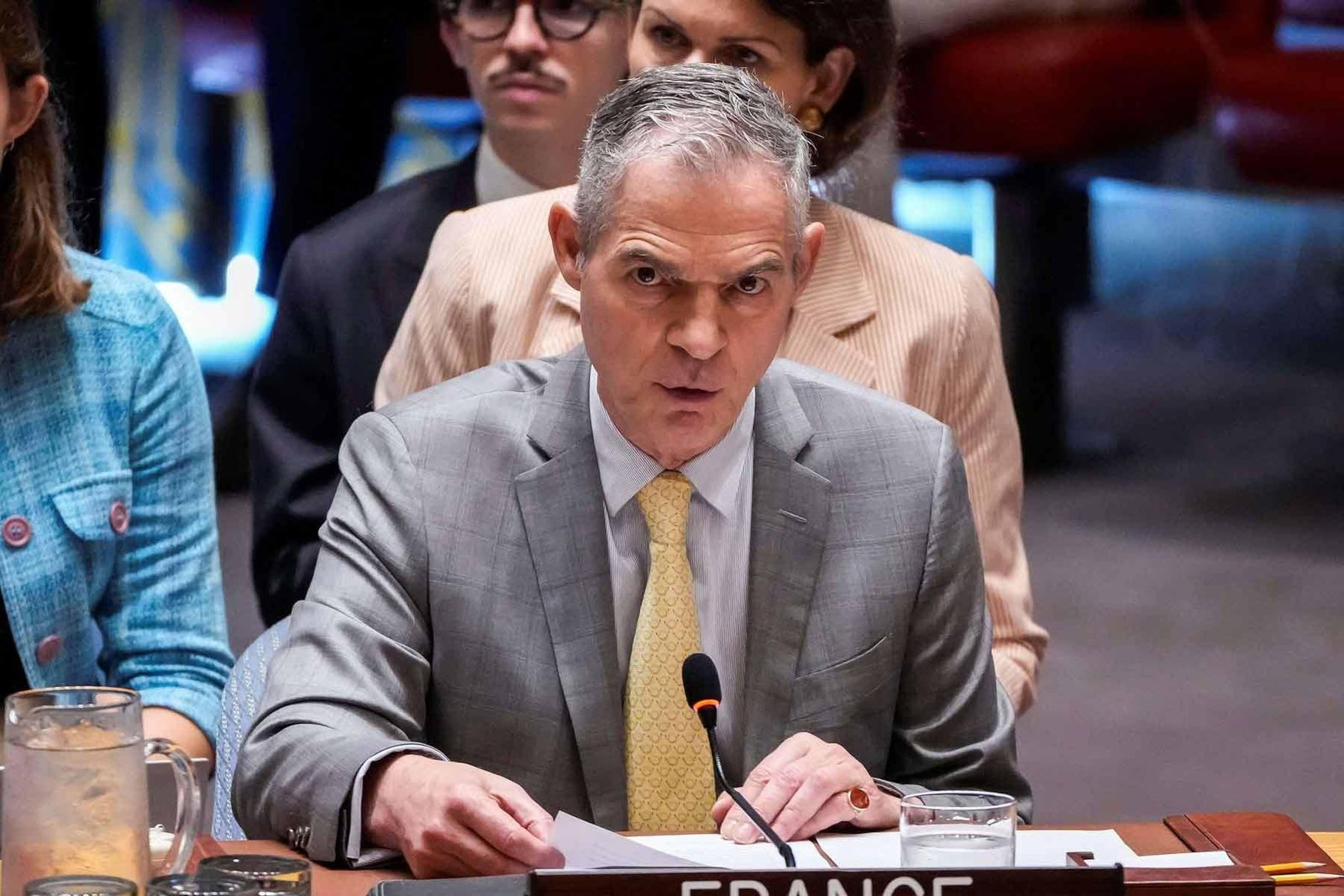


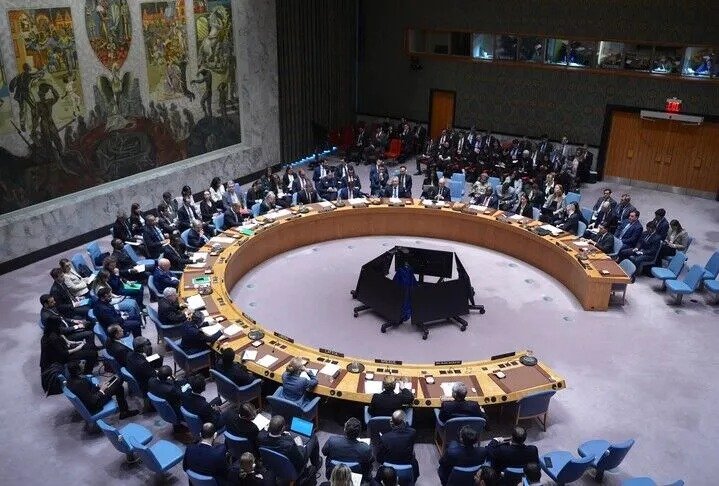
The United Nations Security Council has condemned recent attacks on Saudi Arabia. The statement strongly criticized ongoing strikes linked to Yemen’s Houthi movement. It specifically pointed to attacks affecting civilian and energy infrastructure.
Council members said the attacks have caused injuries, including to women and children. They called the continued escalation deeply concerning for regional stability. The statement urged all parties to pursue a peaceful resolution to the conflict.
The Council also addressed the broader military escalation happening inside Yemen. It expressed concern over the impact of ongoing fighting on the country’s civilian population. Yemen has faced years of conflict, leaving many communities vulnerable.
Diplomats say the statement reflects growing international concern about the widening conflict. Attacks have increasingly targeted energy facilities, ports, and transportation hubs. This has raised fears about broader economic consequences beyond the immediate region.
The Houthi movement has defended its actions as a response to what it calls unjust treatment. It has accused Saudi Arabia of imposing barriers that harm Yemen’s population. Saudi officials have rejected this characterization and blamed the Houthis for the current escalation.
International mediators continue working to find a path toward de-escalation. Several countries have offered support for renewed dialogue between the parties. So far, efforts to schedule formal talks have faced repeated delays.
The conflict comes during a broader period of instability across the Middle East. A separate war earlier this year significantly altered the region’s security landscape. Multiple overlapping conflicts have complicated diplomatic efforts to restore calm.
Humanitarian groups have expressed concern about the impact of the conflict on ordinary people. Years of fighting have already strained access to food, medical care, and clean water in parts of Yemen. Continued escalation risks worsening an already difficult humanitarian situation.
Global energy markets have also reacted to the ongoing tension. Oil prices have risen amid concerns about disruptions to supply routes in the region. Analysts say further escalation could have lasting effects on global fuel prices.
Diplomats from several nations have called for renewed international attention to the crisis. Some have proposed increased humanitarian support alongside diplomatic efforts. Others have urged stronger enforcement of existing international agreements related to the conflict.
The Security Council’s statement adds diplomatic pressure on all parties involved. However, enforcement of such statements often relies on voluntary compliance rather than binding action. Diplomats acknowledge that lasting change will require sustained international engagement.
For now, the situation remains fluid, with no clear resolution in sight. International attention continues to focus on preventing further escalation. Diplomats say the coming weeks will be critical in determining whether renewed talks can move forward.