


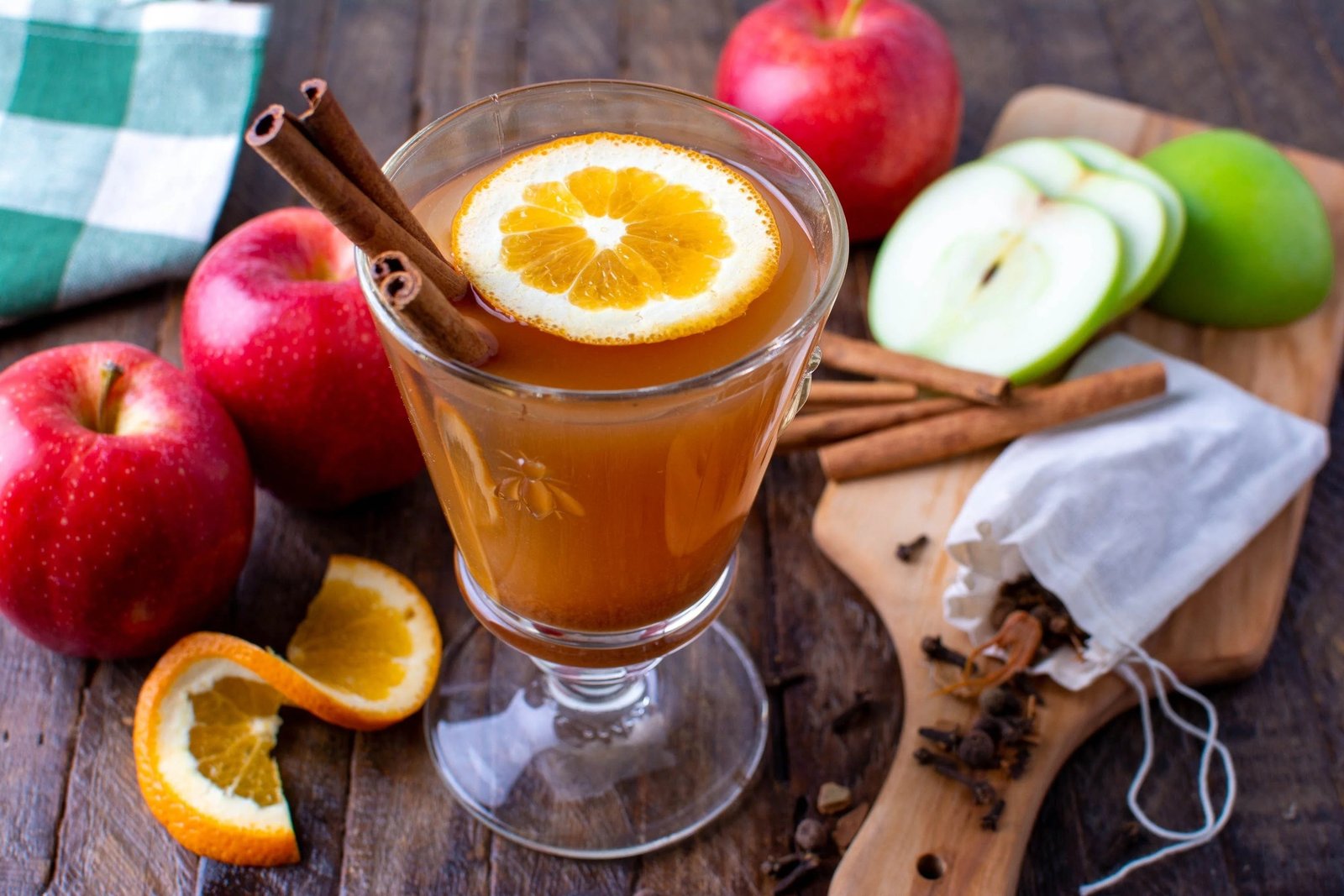
Kitchens across the country are filling with the warm aroma of cinnamon, cloves, and simmering apple cider this week as households embrace one of autumn’s most enduring seasonal beverage traditions. Hot mulled cider, made by gently warming apple cider with a combination of warming spices, has become a beloved cool-weather staple that many families specifically associate with the transition from summer into the cozier rhythms of autumn and eventually winter.
The tradition of mulling beverages with warming spices traces back through various historical culinary traditions, with different cultures developing their own particular approaches to combining fruit juices or wines with spices like cinnamon, cloves, star anise, and citrus peels. While mulled wine traditions have historically been more prominent in various European contexts, the non-alcoholic mulled apple cider version has become particularly popular in North America, offering a family-friendly seasonal beverage option that appeals to households with children alongside adult gatherings.
Home cooks have embraced considerable creativity in developing their own personal mulled cider recipes, with variations incorporating everything from fresh ginger and orange peel to more unusual additions like cranberries or even small amounts of vanilla for additional depth of flavor. This recipe personalization has become part of the broader appeal of the tradition, allowing families to develop their own signature version that becomes associated with their particular household’s seasonal traditions and gatherings throughout the autumn months.
Beyond home preparation, many coffee shops, restaurants, and seasonal markets have incorporated mulled cider offerings into their autumn menus, recognizing the beverage’s strong association with the season and its appeal to customers seeking warming, comforting drink options as temperatures begin dropping. This commercial availability has helped introduce the tradition to people who might not otherwise prepare it at home, while also providing convenient options for those seeking the seasonal experience without the preparation involved in making it from scratch.
The beverage’s appeal extends beyond simply its flavor profile to encompass the broader sensory and social experience associated with sharing warm drinks during gatherings as weather cools. Many families specifically associate mulled cider with particular seasonal activities, from apple picking excursions to outdoor gatherings around fire pits, where the warm, spiced beverage provides both literal physical warmth and a comforting sensory experience that many find deeply connected to autumn’s particular seasonal character.
Nutrition-conscious consumers have found ways to enjoy the tradition while managing sugar content, often by using unsweetened cider as a base and controlling the amount of additional sweetener added during preparation, allowing the natural warming spices to provide flavor complexity without necessarily requiring excessive added sugar. This kind of mindful preparation approach allows people to enjoy the seasonal tradition while still maintaining awareness of overall dietary considerations, particularly during a season when numerous other treats and comfort foods also compete for attention within typical seasonal eating patterns.
As autumn continues settling in across the country, this warming seasonal beverage tradition offers households a simple but meaningful way to mark the changing season and create shared sensory experiences that many associate deeply with this particular time of year. Whether prepared from a cherished family recipe passed down through generations or purchased from a local coffee shop’s seasonal menu, mulled cider continues serving its role as a comforting seasonal touchstone connecting people to the particular rhythms and traditions of autumn.