
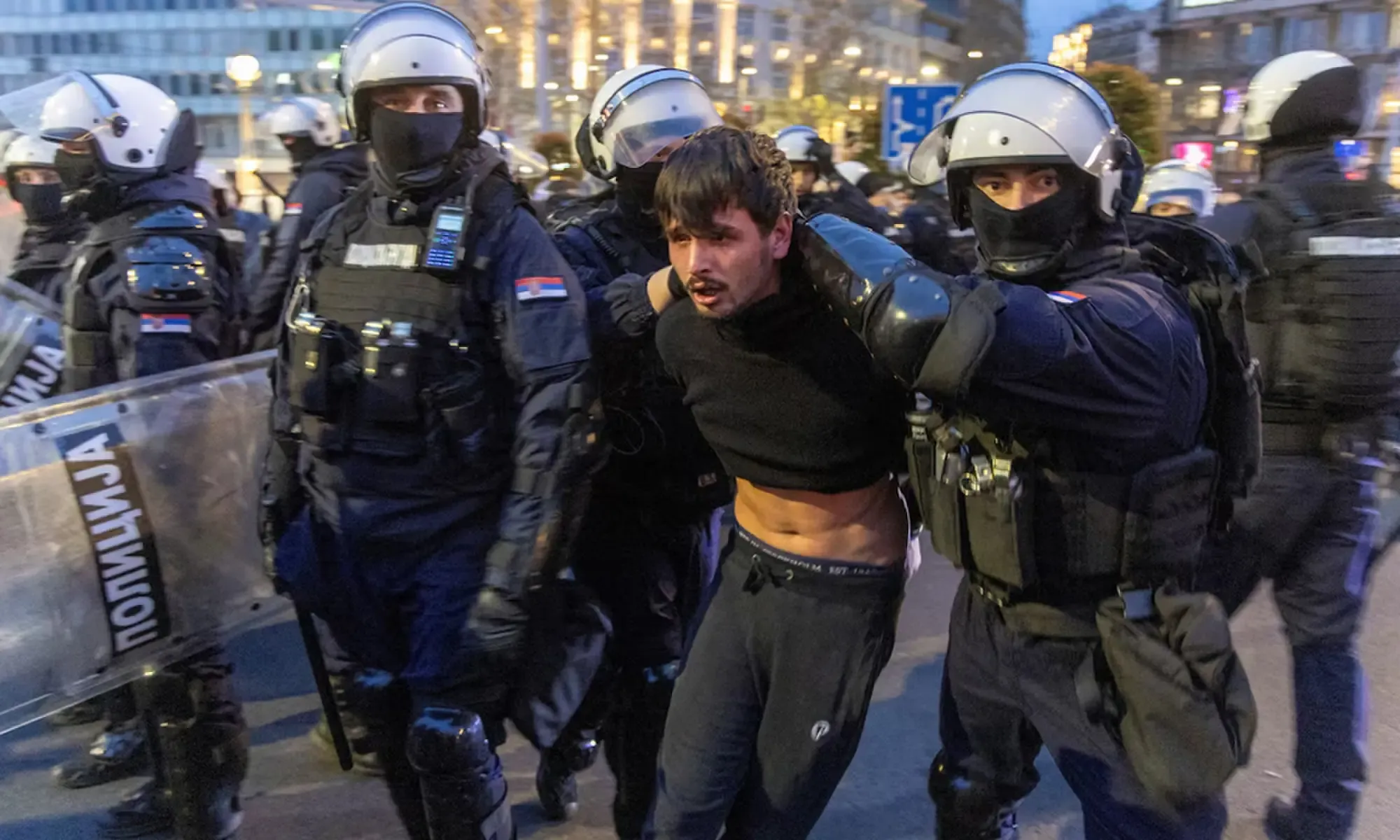
Voters in Serbia went to the polls in a snap election that put the country’s political future under close attention. Student-led protests have helped shape the campaign, with opposition groups seeking to challenge President Aleksandar Vučić and the political movement that has dominated the country for more than a decade. The vote became a test of whether public frustration could be turned into enough support at the ballot box to change the balance of power.
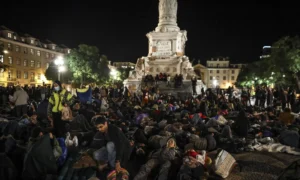
The election followed a period of public anger and demonstrations led in large part by students. Their movement has called for political accountability and changes to the way the country is governed. Students have become a visible force in Serbia’s public debate, organising marches and urging citizens to take part in political life. Their role has drawn attention because younger voters do not always have the same level of influence in established party systems as older or more organised political groups.
Vučić has remained a central figure in Serbian politics for years. His supporters credit him with maintaining political stability and pursuing economic development. They argue that his government has brought investment and kept Serbia active in regional diplomacy. Critics, however, accuse his administration of concentrating power and weakening independent institutions. These competing views have shaped the campaign and helped explain why the election mattered beyond the choice of individual lawmakers.
The opposition faced the challenge of turning a broad protest movement into a clear political alternative. Public demonstrations can bring together people with different concerns, but elections require voters to choose candidates and parties with specific plans. Opposition groups must show that they can work together, present credible policies and convince citizens that they can govern effectively. A divided opposition may struggle even when public dissatisfaction is high.
The campaign also raised questions about the condition of democratic institutions. In a healthy political system, voters need access to reliable information, independent reporting and a fair chance to compare competing proposals. Political parties must be able to campaign without intimidation, while election authorities need to apply the rules consistently. Disputes about these conditions can influence public trust in the result.
Economic concerns were also important to voters. Employment, wages, prices and opportunities for young people can shape how citizens judge a government. Students and younger workers may be especially concerned about whether they can find stable jobs, afford housing and build a future at home. If they feel that institutions do not respond to their needs, political protest can become a way to demand change.
Serbia’s position in Europe adds another layer to the election. The country has pursued ties with the European Union while maintaining relations with Russia, China and other partners. A change in political leadership could affect the tone of those relationships, although any new government would still face practical limits and competing interests. Foreign governments and investors therefore have reasons to watch the result.
The election outcome will determine the next stage of Serbia’s political debate, but it may not settle the questions raised by the protests. If the ruling side wins, it will still face pressure to respond to concerns about accountability and public trust. If the opposition gains ground, it will need to show that it can turn its promises into practical reforms. The vote is therefore both a contest for power and a measure of how strongly citizens want their political system to change.