


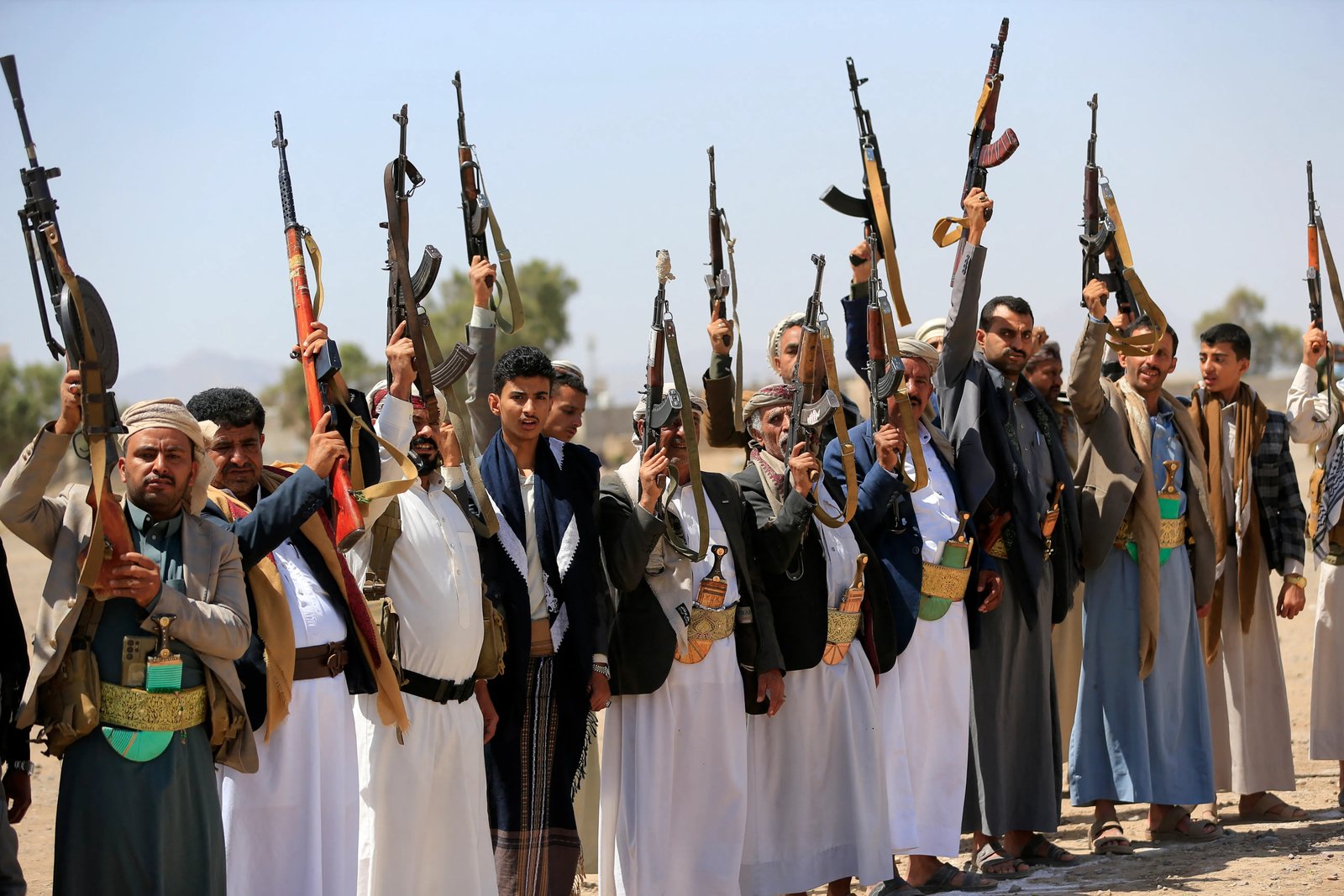
Saudi Arabia committed sixty million dollars in financial support to Yemen’s internationally recognized government this week, specifically earmarked to strengthen the country’s ongoing military campaign against Iran-backed Houthi forces that have continued launching attacks against targets within Saudi territory. This substantial financial commitment reflects Saudi Arabia’s continued strategic investment in supporting Yemeni government forces as a key component of its broader approach to countering the persistent Houthi threat along its southern border region.
The financial support arrives at a particularly active moment in the ongoing conflict, with Houthi forces having recently targeted a power station in Medina alongside continued ballistic missile launches directed at various locations within Saudi Arabia, several of which Saudi-led coalition air defense systems have successfully intercepted before they could reach their intended targets. This pattern of continued attacks has maintained significant pressure on Saudi Arabia’s southern security posture throughout recent months.
Saudi Arabia’s approach to countering the Houthi threat has historically combined direct military action through coalition air operations with this kind of financial and material support for Yemeni government forces fighting Houthi militants on the ground within Yemen itself. This dual-track strategy reflects a broader recognition that durable security along Saudi Arabia’s southern border likely requires sustained support for capable Yemeni government forces, rather than relying exclusively on Saudi Arabia’s own direct military interventions against Houthi positions and capabilities.
Regional diplomatic observers note that this kind of substantial financial commitment carries significance extending beyond its immediate military implications, serving as a broader signal of Saudi Arabia’s continued commitment to supporting Yemen’s internationally recognized government amid the country’s prolonged civil conflict. This sustained support helps reinforce the legitimacy and operational capacity of government forces that continue competing with Houthi control over significant portions of Yemeni territory.
The broader context for this support includes Yemen’s status as one of several fronts within the wider regional conflict connected to Iran’s support for various allied militant groups throughout the Middle East, alongside Hezbollah in Lebanon and various other Iran-aligned factions operating across different countries. This interconnected web of regional conflicts illustrates how Saudi Arabia’s support for Yemen’s government forces fits within a broader strategic effort to counter Iranian regional influence across multiple simultaneous fronts.
Humanitarian organizations have continued emphasizing the severe toll Yemen’s prolonged conflict has taken on the country’s civilian population, even as military and financial support continues flowing toward various parties involved in the ongoing fighting. This humanitarian dimension adds additional complexity to how outside observers evaluate this kind of continued military and financial support, balancing legitimate security concerns against the genuine human cost this extended conflict continues imposing on ordinary Yemeni civilians caught amid the fighting.
As this latest financial commitment flows toward Yemen’s government forces, the broader trajectory of this persistent regional conflict remains genuinely uncertain, with continued Houthi attacks suggesting no imminent resolution despite years of fighting and substantial international involvement from multiple regional and global powers. Whether this latest support meaningfully shifts the conflict’s military balance, or simply sustains the current prolonged stalemate, will likely become clearer as the situation continues developing in the coming months.