


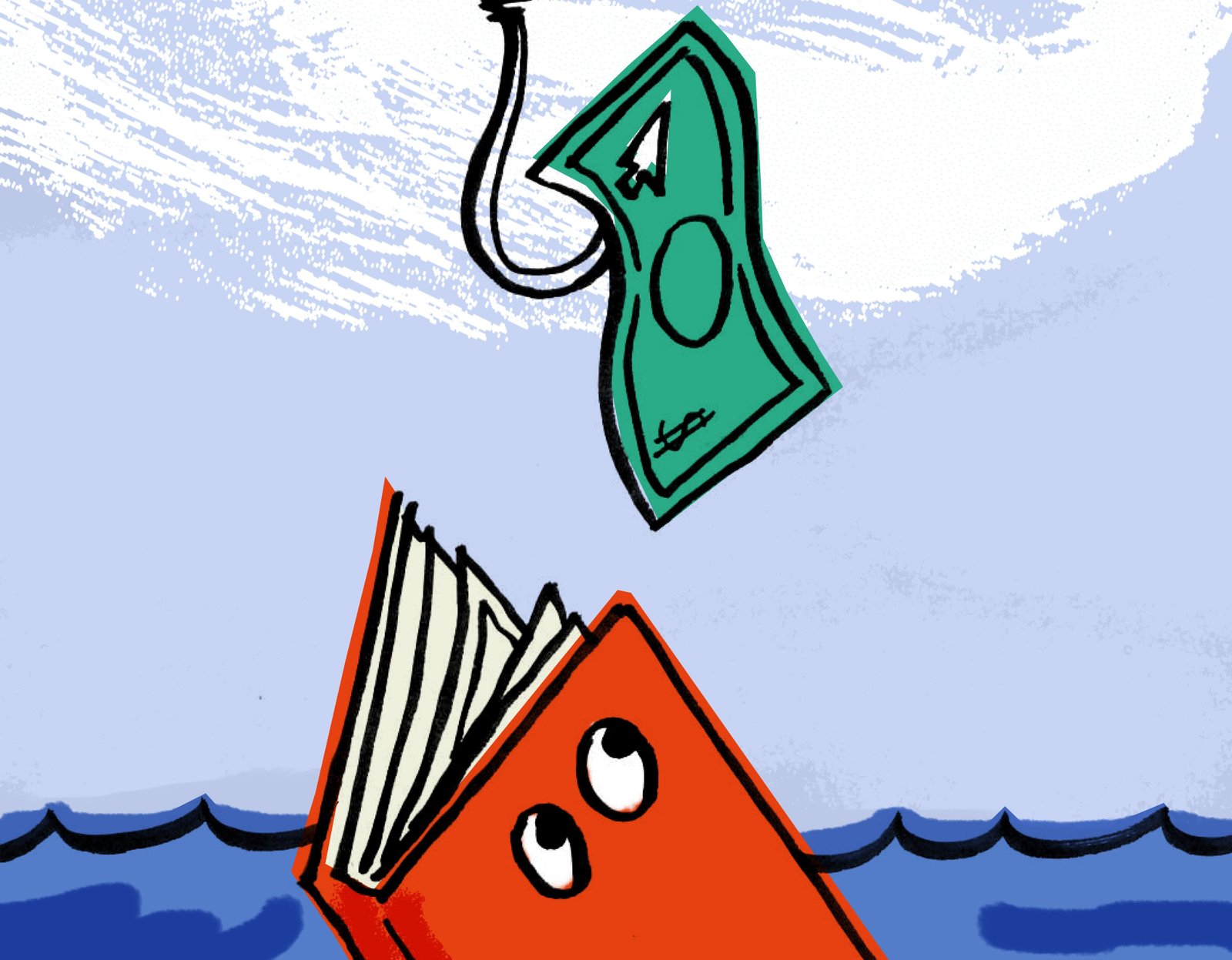
Writers and other creative professionals are facing growing concerns about fraudulent approaches that promise film deals, representation or access to influential agents. Fake emails and false identities can make scammers appear to be connected to legitimate publishing and entertainment businesses. For people hoping to sell a book, screenplay or other creative work, such messages may seem like a rare opportunity. The risk is that a scammer can use that hope to request money, personal information or rights to work without offering a genuine deal.
Fraudulent approaches often rely on familiar names and professional-looking messages. A scammer may claim to represent a well-known producer, agent or company, then tell the writer that a project has attracted interest. The message may include industry language, a polished signature and references to real films or books. These details can create an impression of credibility, but they do not prove that the sender is connected to the person or company named.
One warning sign is a request for payment before any legitimate service has been provided. Scammers may describe the money as a reading fee, legal charge, registration cost or administrative payment required to secure a deal. Writers should be cautious when an unsolicited contact promises major opportunities but insists on quick payment. They should verify the identity of the person independently and check whether the named organisation confirms the relationship.
Another risk involves the misuse of intellectual property. A fraudulent contact may ask for a full manuscript, screenplay or signed document under the claim that a producer is ready to develop the work. Writers should understand what they are agreeing to before sharing rights or signing contracts. A genuine business arrangement should explain the terms clearly and allow time for independent advice.
Verification is particularly important because scammers can copy real company websites and use email addresses that closely resemble legitimate ones. Writers can check an agent’s details through official industry directories, contact the company using a verified address and look for a track record of completed work. They should not rely only on phone numbers or links included in the suspicious message, since those may be controlled by the scammer.
If a person believes they have been targeted, keeping records can help. Saving emails, payment requests, contracts and account details may support a report to the relevant authorities or payment provider. Victims should contact their bank quickly if money has been transferred and consider seeking legal advice if rights or documents have been signed over. Reporting the approach may also help warn others in the same creative community.
The problem reflects a wider challenge in industries where success often depends on finding the right contact. Fraudsters take advantage of the fact that writers and artists may receive many approaches and have limited ways to check every opportunity. Clear professional standards and open information can make it harder for fake representatives to operate.
For writers, the safest approach is to treat unexpected offers with care, verify identities independently and avoid rushed decisions. A genuine opportunity should withstand reasonable questions about the people involved, the terms offered and the next steps. In an industry built on trust and creative ambition, those checks can help protect both livelihoods and original work.