


Recent election results in Brazil, Serbia, Israel and the United States have renewed attention on the strength of democratic movements around the world. Although each country faced different political circumstances, the results showed how voter participation and grassroots campaigns can challenge established political leaders and change the direction of national politics.
In Brazil, President Luiz Inácio Lula da Silva secured another presidential term after a closely watched election. His victory prevented a far-right movement from strengthening its hold on national power. Grassroots campaigning and strong voter participation played an important role in the result, even as political divisions remained serious and the opposition continued to hold significant influence in Congress.
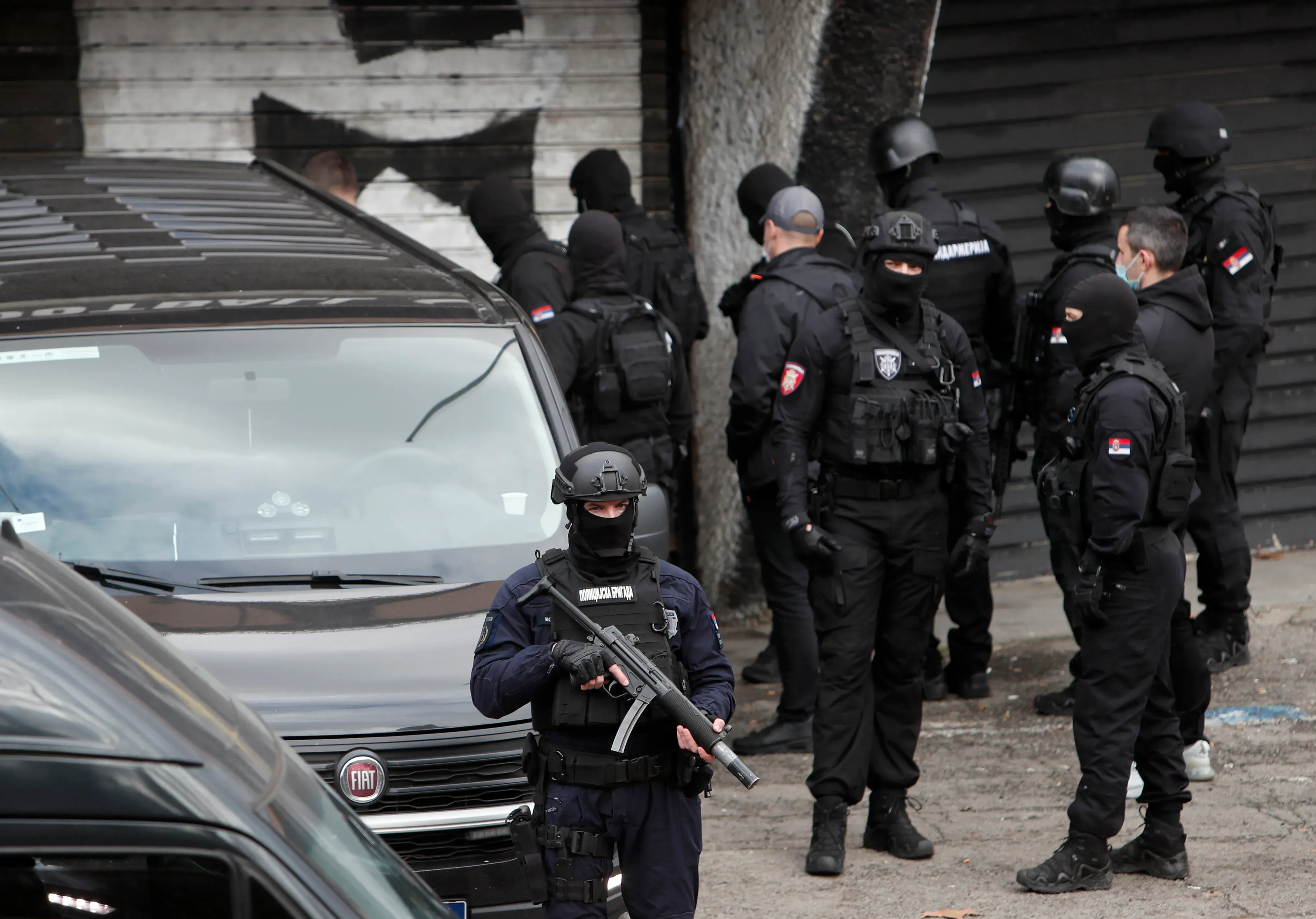
Serbia also experienced a major political shift. A student-led movement that had organised protests over the previous two years made a strong electoral breakthrough. The movement won 140 seats in the country’s 250-member parliament, bringing an end to the political dominance of President Aleksandar Vučić’s governing movement after 14 years. The result demonstrated how public campaigns that begin outside traditional political parties can develop into a powerful electoral force.
In Israel, the election weakened the position of Prime Minister Benjamin Netanyahu’s coalition. Arab Israeli parties increased their representation, creating new possibilities for political negotiations. However, forming a stable government remains difficult because some opposition leaders are reluctant to work with Arab parties. Questions about Palestinian rights and the future direction of the country also remain central to the political debate.
The United States experienced another major political change after Democrats won clear majorities in both chambers of Congress during the midterm elections. The result weakened President Donald Trump’s political position and gave Democrats greater power to investigate the administration and challenge its policies. However, the president still has important executive powers, and legislative rules could limit how much the new congressional majority can achieve.
The four elections have attracted attention because they challenged the idea that democratic institutions are becoming weaker everywhere. Grassroots organisers, students, community groups and ordinary voters played important roles in shaping the outcomes. Their involvement showed that political change can emerge from public participation even when established leaders hold significant influence.
However, election victories do not automatically solve deeper problems. New governments and political movements must still protect civil liberties, respect minority rights and maintain independent institutions. Political disagreements can continue even after voters have delivered a clear result.
The elections therefore offer both encouragement and a reminder of the work required to protect democracy. Their long-term importance will depend on whether political leaders respect the public mandate and turn electoral support into fair, accountable government.