

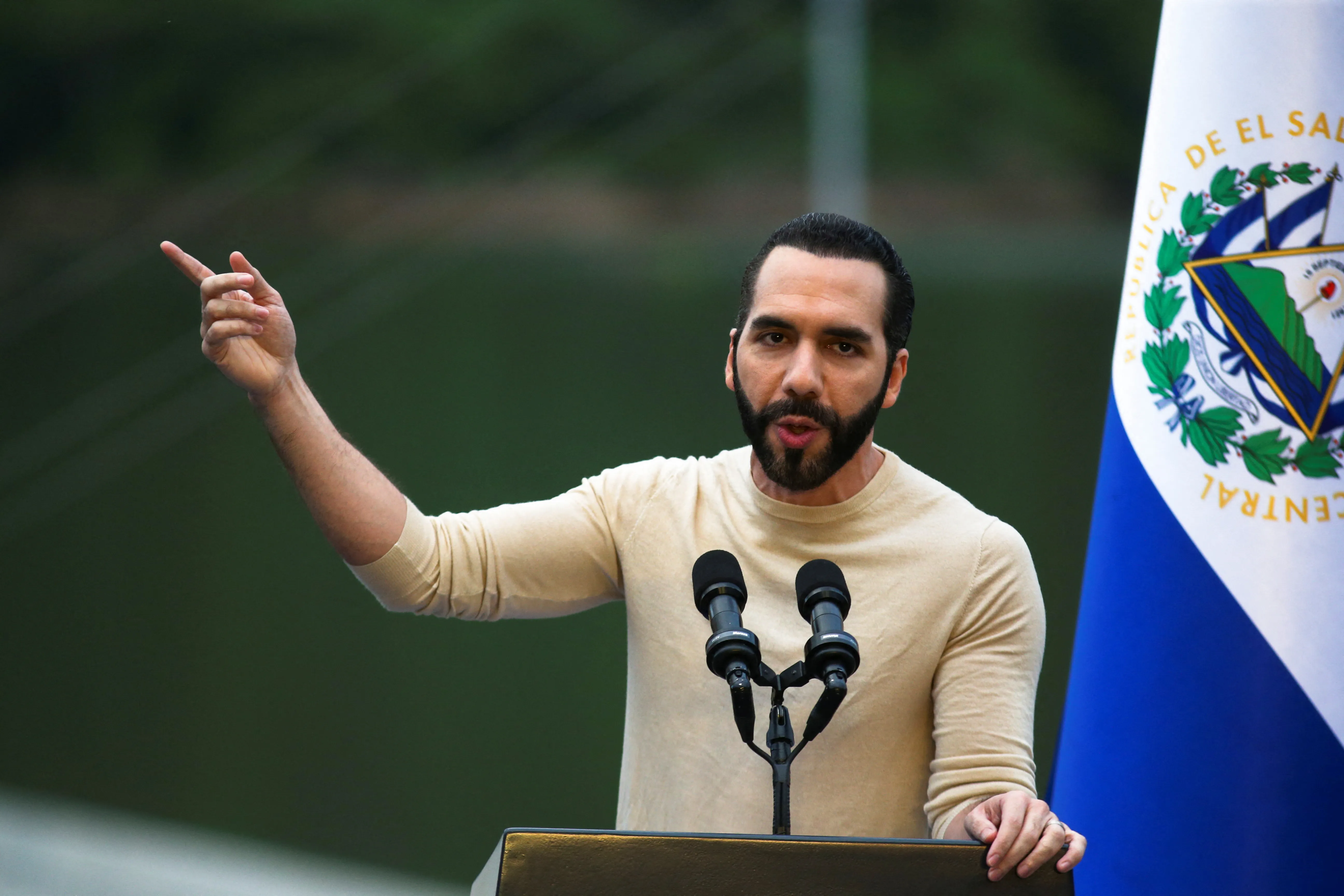
El Salvador’s President Nayib Bukele has formally registered his candidacy for another presidential term, seeking to remain in office beyond the limits that traditionally shaped the country’s political system. His decision places him at the centre of a major debate about democracy, constitutional rules and the concentration of political power. With his New Ideas party holding a strong position in Congress and his public approval remaining high, Bukele is widely expected to enter the February election as the leading candidate.
Bukele has built much of his popularity through an aggressive campaign against criminal gangs. His government says the security operation has sharply reduced violence and made communities safer after years of gang control and intimidation. Supporters credit the president with restoring public order, while human rights organisations have raised concerns about mass arrests, unfair legal procedures and the treatment of innocent people. The government has rejected accusations that its security policies amount to authoritarian rule.
The president’s decision to seek another term has also raised questions about the country’s constitutional system. Consecutive presidential re-election had traditionally been prohibited, but a Supreme Court dominated by Bukele supporters allowed him to run again in 2024. In 2025, lawmakers from his party approved changes that removed presidential term limits and altered the timing of national elections. Critics argue that these changes have weakened democratic checks and made it easier for the president to remain in power.
Bukele’s political ambitions have also extended beyond El Salvador. His government has sent thousands of troops to Haiti to support efforts against powerful gangs after several Salvadoran aviation technicians disappeared in an attack. Critics say the overseas deployment could strengthen Bukele’s political image at home while drawing attention away from concerns about democratic freedoms. Opposition parties remain weak, and many voters continue to support the president because of improvements in public security. The coming election will test whether that support remains strong enough to secure another term despite growing international criticism.