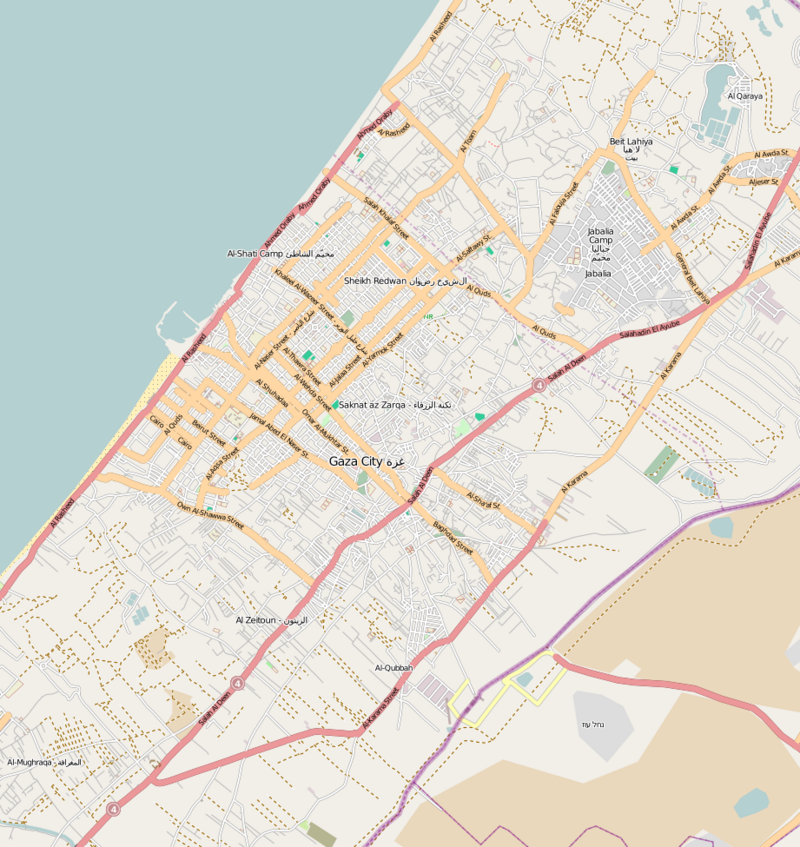
Sheikh Radwan is a neighborhood in northern Gaza City that has become a focal point of the ongoing conflict in the Gaza Strip. This densely populated area is home to many Palestinian families and has seen significant hardship due to repeated military actions and humanitarian challenges. Located in the northern part of Gaza City, Sheikh Radwan holds strategic importance, which has made it a frequent target during periods of escalation between Israeli forces and Palestinian groups. The neighborhood’s residents often face extreme risks as violence unfolds, with many civilian homes and public buildings suffering damage from airstrikes and drone attacks.
One of the critical aspects of Sheikh Radwan is its role as a refuge for displaced families. Throughout the conflict, several schools and other public buildings in the area have been converted into shelters. These places provide temporary safety for people forced to flee their homes due to violence elsewhere in Gaza. However, these shelters are not always safe from attack, as some have been hit during Israeli military operations, raising serious humanitarian concerns. The use of schools and shelters as temporary homes reflects the widespread displacement and deteriorating living conditions in Gaza.
The humanitarian situation in Sheikh Radwan is dire. The ongoing military conflict has damaged infrastructure, limited access to clean water, food, and medical supplies, and placed enormous strain on local health services. Medical and rescue teams face severe challenges as they try to operate in an area under constant threat. Limited resources, damaged roads, and the danger of further attacks complicate their efforts to provide care to the injured and vulnerable populations. Despite these obstacles, healthcare workers continue their work under extremely difficult conditions, often risking their own safety.
Sheikh Radwan’s civilians, including many children and families, endure the consequences of the violence daily. The neighborhood has been the site of Israeli drone strikes targeting suspected militant locations, but the presence of civilians in close proximity often leads to casualties and destruction of homes. This has raised alarms among human rights organizations and international observers, who warn that attacks hitting civilian shelters and schools may violate international humanitarian law. The protection of noncombatants in conflict zones like Sheikh Radwan remains a pressing concern for the global community.
The experiences of Sheikh Radwan reflect the broader crisis in Gaza, where large segments of the population are affected by the conflict and its humanitarian fallout. Displacement is widespread, and many families live in overcrowded and unsafe conditions. The destruction of essential infrastructure such as schools, hospitals, and water systems worsens the daily struggles of residents. These challenges are compounded by limited access to international aid, with ongoing military operations restricting the movement of humanitarian supplies and personnel.
Throughout the conflict, Sheikh Radwan has often appeared in reports and news coverage as an example of the complex and tragic realities faced by people living in Gaza. The neighborhood symbolizes the human cost of the conflict, with its residents caught between military operations and the urgent need for humanitarian assistance. Efforts by international organizations to provide relief have been hampered by security concerns, making it difficult to reach those in need and exacerbating the suffering of vulnerable groups.
Despite the challenges, many people in Sheikh Radwan remain hopeful for peace and stability. The neighborhood’s situation highlights the urgent need for international attention and support to protect civilians and restore essential services. As fighting continues, the residents of Sheikh Radwan and the wider Gaza Strip face uncertainty, fear, and the daily struggle to survive amid ongoing violence and hardship. Their plight underscores the importance of diplomatic efforts to find a lasting solution and ensure the safety and well-being of all civilians in conflict zones.