


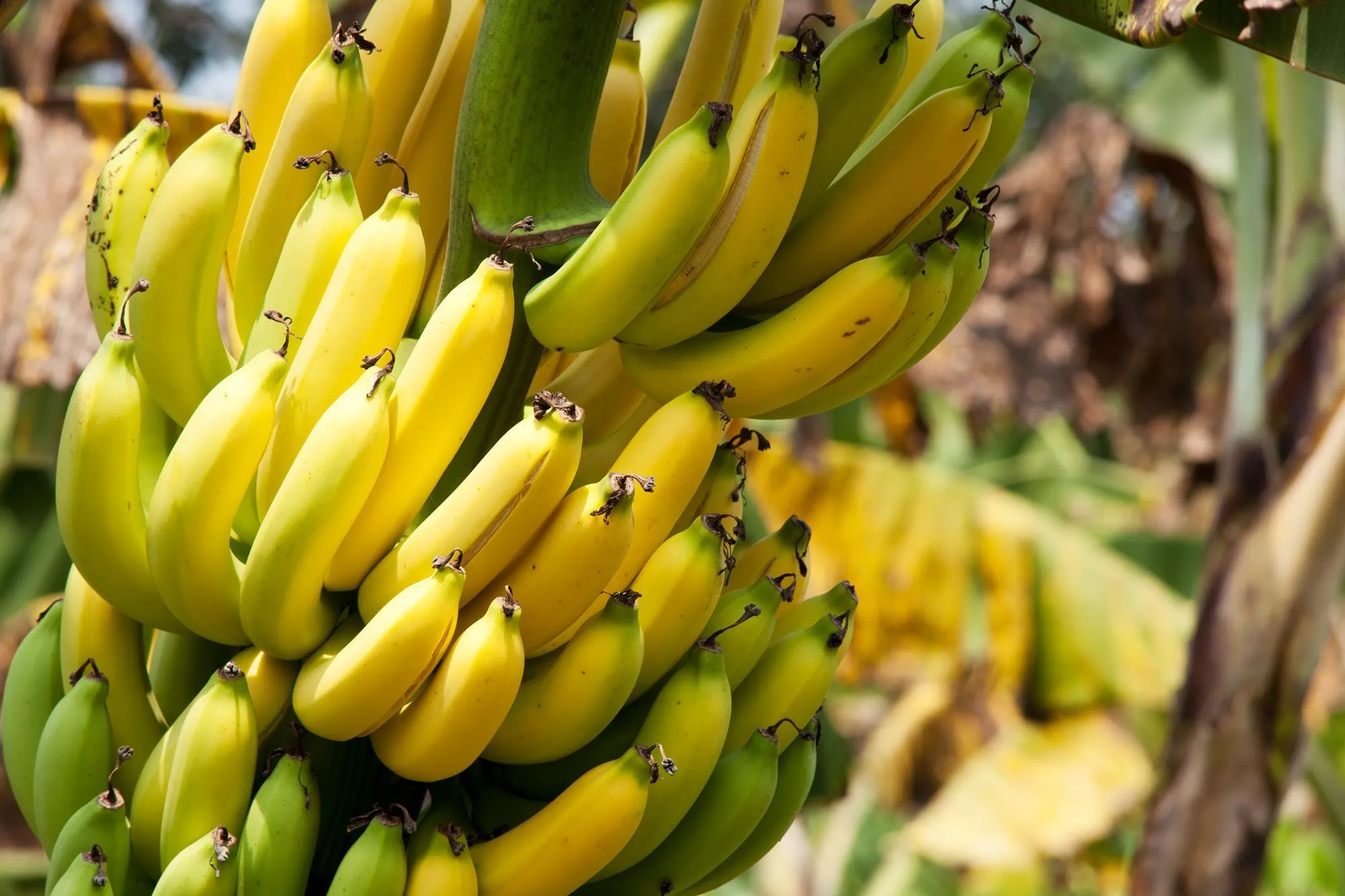
Banana producers across Latin America are calling for fairer payments as extreme weather and rising production costs put pressure on the industry. Farmers in several countries are dealing with damaging winds, drought risks and heavy rainfall linked to an intense El Niño weather pattern. The conditions are affecting harvests and creating fresh concerns about the income of workers and farming communities.
Colombia, Ecuador, Peru and the Dominican Republic are among the countries facing challenges. High winds in parts of Colombia have affected production, while heavy rainfall in Ecuador and Peru has created problems for growers. Farmers in the Dominican Republic are also preparing for drier and warmer conditions that could reduce the amount of fruit available for export.
The effects of extreme weather can be seen in earlier production figures. Fairtrade data from the previous El Niño period showed that banana productivity fell by 13% in the Dominican Republic, 22% in Ecuador and 6% in Peru compared with the previous year. Such reductions can have a serious impact on growers because lower harvests mean less income from the same land and workforce.
Colombia’s Caribbean banana-growing region has also experienced a decline in exports. Figures from a regional growers’ association showed that exports fell sharply during the third quarter of the year. The association reported that shipments in September were substantially lower than the same month a year earlier, reducing earnings for producers.
Farmers say the problems are made worse by the prices they receive from large buyers. Supermarket banana prices have remained relatively stable for many years, even as the costs of fertiliser, fuel, transport and labour have increased. Growers argue that the difference leaves them with limited resources to protect their farms against climate-related damage.
The Fairtrade Foundation is calling for stronger rules in the United Kingdom to address unfair trading practices. These include low payments, delayed payments and contracts that transfer too much financial risk to farmers. The organisation says producers need more reliable income to invest in equipment, improve working conditions and prepare for extreme weather.
Some retailers already source Fairtrade bananas through voluntary arrangements. However, campaigners argue that voluntary commitments are not enough to protect all growers. Fairtrade research found that a large share of the prices paid to suppliers in 2026 did not cover the basic costs of production.
The long-term outlook is also concerning. Climate change could reduce the amount of land suitable for banana production across Latin America and the Caribbean in the coming decades. Farmers may need to adapt growing methods, improve water management and invest in more resilient systems.
The situation highlights the connection between climate change and the global food supply. Consumers may see bananas as an inexpensive everyday product, but producing them depends on workers and farms facing growing environmental and financial pressures. Growers say fairer prices are essential if the industry is to remain sustainable and protect the communities that depend on it.