
A developing El Niño pattern is drawing attention from scientists because it can change rainfall, temperature and storm conditions across much of the world. The natural climate pattern warms parts of the tropical Pacific Ocean and affects winds that influence weather far beyond the region. Its effects vary from place to place, but a strong event can increase the risk of drought in some areas and heavy rain in others.
El Niño can change how heat and moisture move through the atmosphere. In the Atlantic, it often strengthens winds high above the ocean, making it harder for hurricanes to grow. These winds can disrupt a storm’s shape and weaken the structure needed for rapid intensification. The effect has been visible during the current hurricane season, although individual storms can still strengthen when local conditions become favorable.
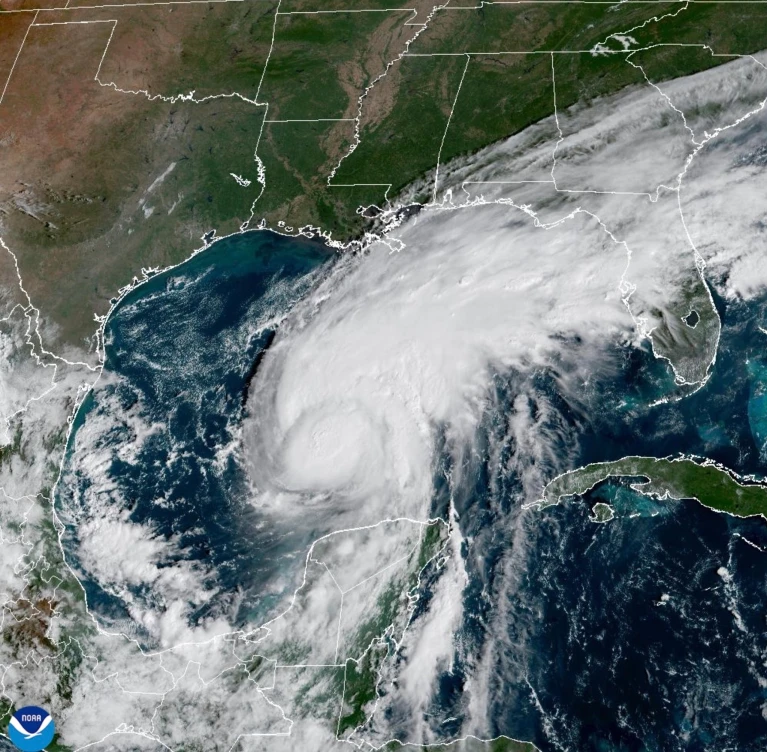
Warm water in the Gulf of Mexico has helped Hurricane Isaias develop despite the wider pattern of strong winds. The example shows that climate patterns do not determine every storm on their own. Weather systems respond to several forces at once, including ocean temperatures, air pressure and wind direction. Forecasters need to study those details to understand how a storm may change before reaching land.
The wider effects of El Niño can reach far beyond hurricanes. Changes in rainfall may affect crops, water supplies and electricity production. Farmers depend on seasonal rain to grow food, while reservoirs need enough water to support homes and industry. If rainfall becomes unusually low, communities may face water restrictions or higher food prices. Heavy rain can create different problems by flooding fields, roads and homes.
Food markets can be sensitive to weather changes because crops are grown in many different regions. If several major growing areas experience poor conditions at the same time, supplies can tighten and prices may rise. Higher food costs can place pressure on households, especially families that spend a large share of their income on basic needs. Governments may then need to support vulnerable groups or adjust plans for food imports.
El Niño can also affect health. Very hot weather increases the risk of heat illness, particularly for older people, outdoor workers and those without reliable cooling. Flooding can contaminate water supplies and make it harder for people to reach health services. Drier conditions may increase the risk of wildfires and worsen air quality. Public health agencies often prepare for these risks by issuing warnings and planning support for affected communities.
Households can take simple steps to prepare for changing weather. People should follow local forecasts, keep drinking water available during heat, and avoid walking or driving through floodwater. Farmers may need to adjust planting plans when forecasts suggest a change in rainfall. Cities can reduce some risks by clearing drainage systems, protecting water supplies and making sure emergency services can reach people quickly.
Scientists stress that El Niño is a natural pattern, but climate change can affect the background conditions in which it develops. Warmer oceans and air can change the impact of heat and rainfall, even when the climate pattern itself is natural. This makes long-term monitoring important because the same El Niño event may produce different effects under different climate conditions.
El Niño Weather Changes are a reminder that climate patterns can influence everyday life through food, water, transport and health. The effects will not be the same in every country, and forecasts will change as new information arrives. Still, early preparation can reduce the damage caused by unusual weather. Communities that plan ahead are better placed to respond when rain, heat or storms become more severe than expected.