



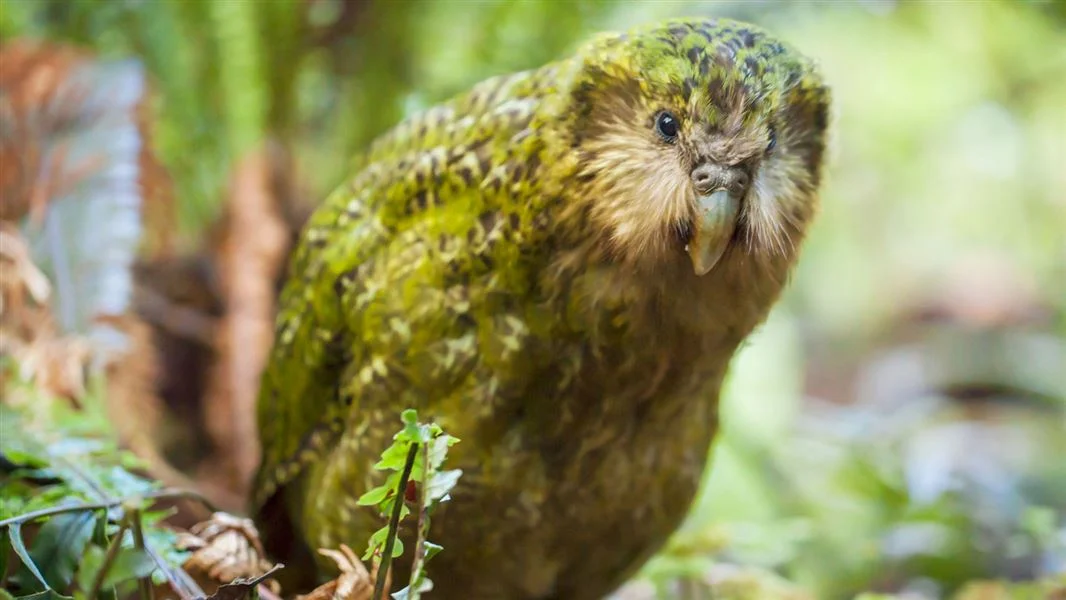
Conservation officials announced that the kakapo population reaches milestone numbers not seen in seventy five years, with the endangered flightless parrot species climbing to 325 individuals following the successful addition of ninety chicks born this breeding season.
This achievement marks the first time the species has exceeded 300 individuals in three quarters of a century, representing a significant victory for the sustained international conservation efforts that have supported this critically endangered bird for several decades of dedicated recovery work.
The kakapo, a flightless nocturnal parrot found only in New Zealand, faced near extinction in previous decades due to introduced predators and habitat loss. Intensive conservation programs relocated remaining birds to predator free islands, providing the protected environment necessary for population recovery.
Conservation biologists have implemented sophisticated breeding management programs, including careful genetic tracking of individual birds to maximize genetic diversity within the small population. This scientific approach has proven essential given the extremely limited number of breeding age birds available for reproduction.
The recent addition of ninety chicks represents one of the most successful breeding seasons in the recovery program’s history, reflecting improved understanding of the species’ complex breeding requirements and continued refinement of conservation management techniques developed over decades of dedicated work.
International attention on this conservation success extends beyond New Zealand, with the kakapo recovery program serving as a frequently cited example of successful species conservation for critically endangered wildlife facing similar extinction pressures in other parts of the world.
Volunteers and conservation staff dedicate substantial time and resources toward monitoring individual birds, given the species’ critically endangered status and the correspondingly high value placed on tracking every individual within the relatively small overall population.
Technology has played an increasingly important role in modern conservation efforts, with tracking devices and remote monitoring systems allowing conservationists to gather detailed data about kakapo behavior, health, and breeding patterns without excessive human interference in their natural island habitats.
The species faces ongoing challenges despite this recent milestone, including genetic bottleneck concerns given the historically small population size, along with continued vulnerability to disease outbreaks that could disproportionately affect a population still considered critically endangered by international conservation standards.
Public interest in the kakapo has grown substantially in recent years, with the distinctive parrot’s unusual characteristics, including its flightlessness and unique breeding behaviors, capturing international attention and generating support for continued conservation funding and research efforts.
As conservation teams celebrate this significant milestone, work continues toward the longer term goal of establishing a genuinely self sustaining wild population. While 325 individuals represents meaningful progress, conservationists emphasize that continued vigilance and sustained investment remain essential for securing the species’ long term survival prospects.