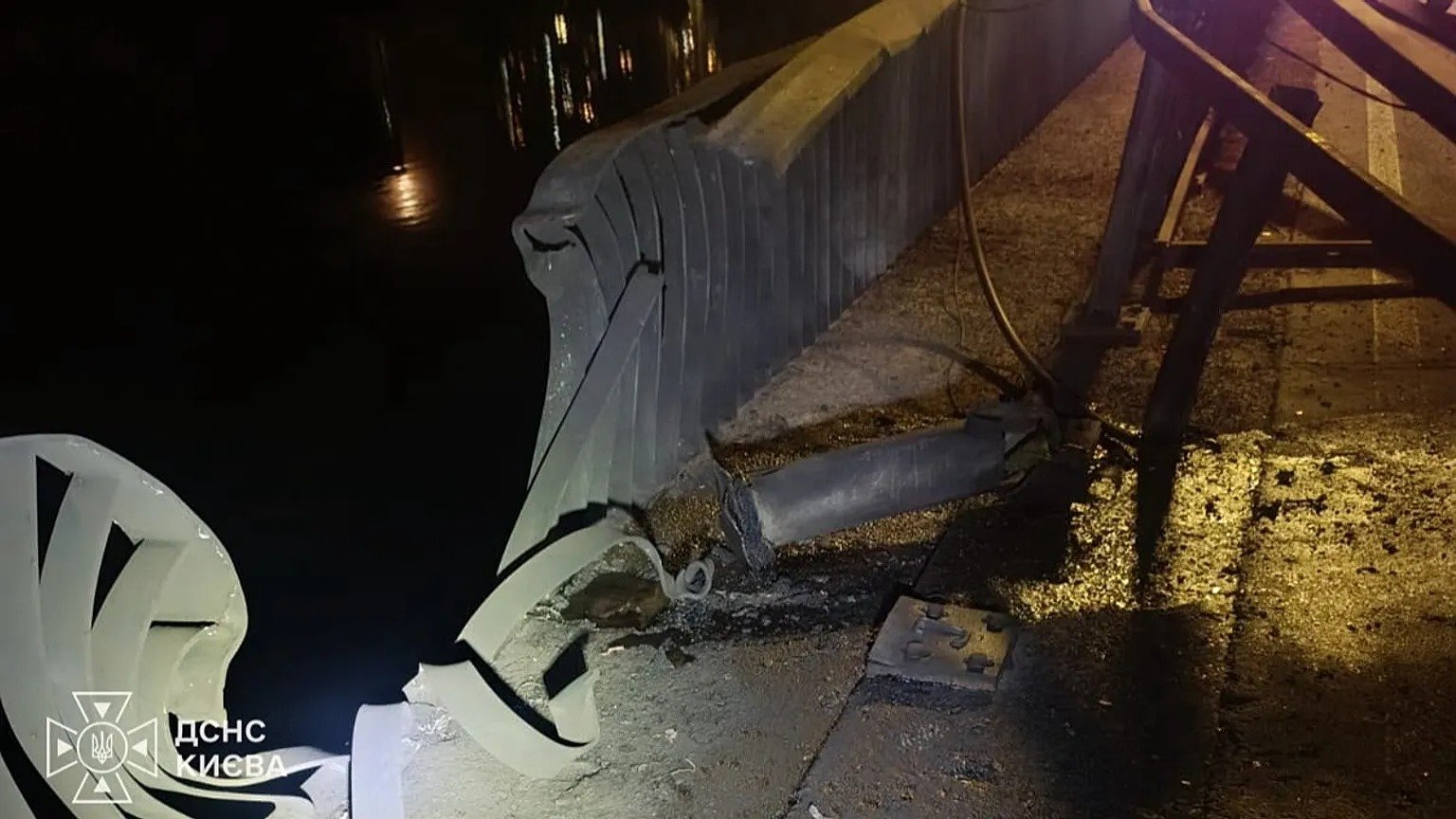



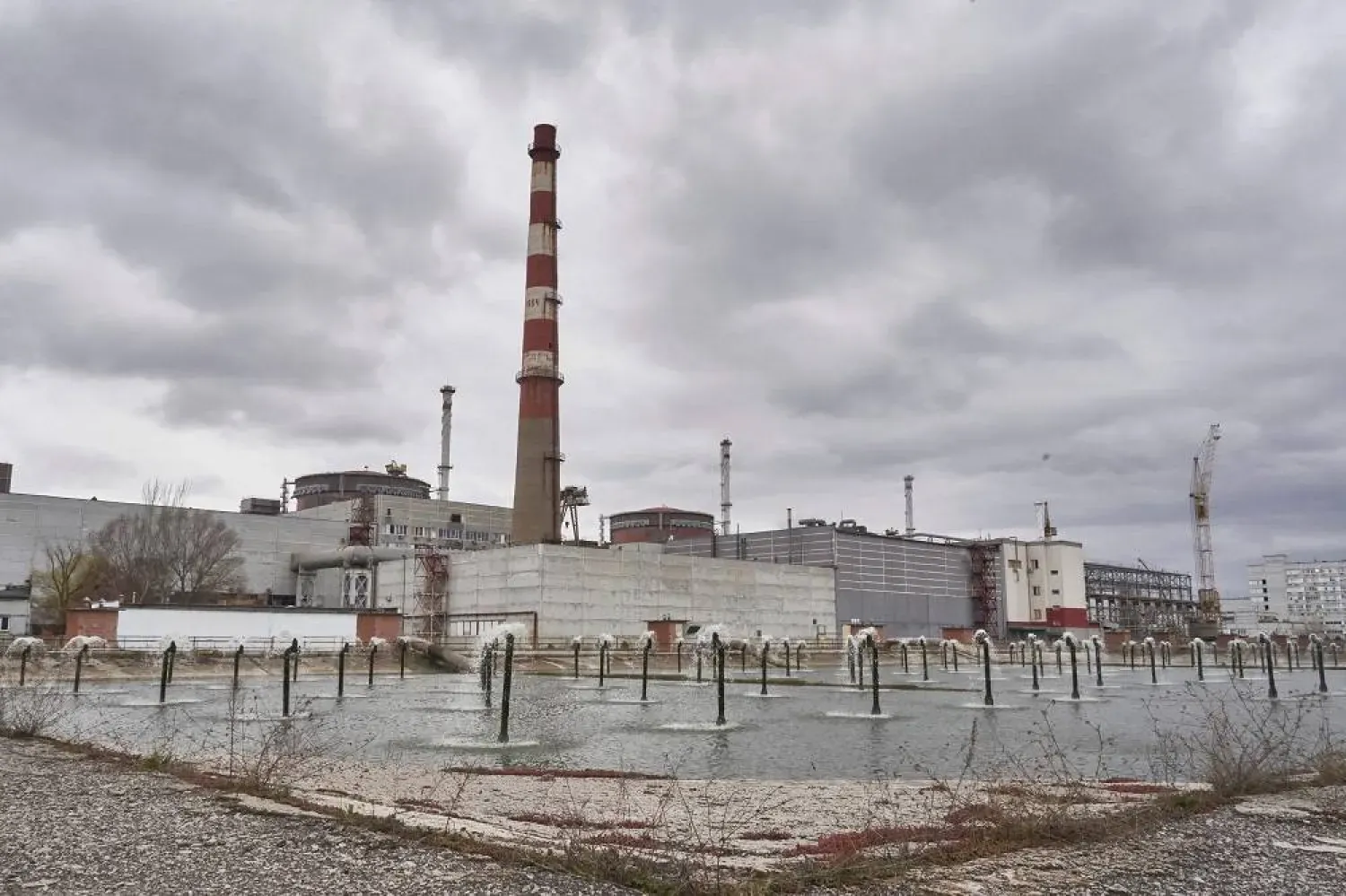
Two facilities at the Russian held Zaporizhzhia nuclear power plant were attacked by Ukrainian drones, according to Russia’s state nuclear company. The incident was reported on October 6, 2026, and has renewed concerns about the safety of Europe’s largest nuclear power plant during the war. Alexei Likhachev, head of Rosatom, said drones attacked the plant overnight and that a driver delivering food to workers was killed in the attack.
According to Russian officials, the targets included a laboratory building and a radioactive waste processing facility. Ukraine has not commented on the Russian account, and there has been no independent confirmation of the reported attack. This makes it difficult to establish all the details, especially because Russia and Ukraine have repeatedly accused each other of actions that could threaten the safety of the plant.
The Zaporizhzhia plant has been under Russian control since the early stages of the war. The facility has six reactors and is the largest nuclear power plant in Europe. It does not currently produce electricity, but it still needs power to keep nuclear fuel cool, making a reliable electricity supply extremely important for maintaining safe conditions.
Plant officials have previously said that damage to external power equipment has forced the facility to rely on emergency diesel generators. Nuclear experts have repeatedly warned that the plant must have safe and stable power, because a loss of cooling systems could create serious risks even when the reactors are not producing electricity. Damage to important support systems can therefore remain dangerous long after an attack has ended.
The International Atomic Energy Agency has repeatedly called for restraint around the plant. IAEA experts have been present at Zaporizhzhia and other Ukrainian nuclear facilities, where they monitor conditions and assess nuclear safety. The latest incident could lead to renewed international pressure on both sides to avoid actions that could damage critical systems or put workers at risk.
Russia has accused Ukraine of attacking nuclear infrastructure and has called on Western governments to condemn such attacks. Ukraine, meanwhile, has previously accused Russia of using the plant and surrounding areas as part of its military strategy. These competing claims have made the site one of the most sensitive parts of the war, with both sides presenting different accounts of what happens around the facility.
The plant sits in a region where fighting has continued for years. Military activity around a nuclear facility creates risks that are different from normal battlefield attacks because damage to power lines, cooling systems or important buildings can have consequences beyond the immediate area. That is why international nuclear safety officials have repeatedly tried to encourage periods of calm around the plant so that essential repairs and maintenance can be carried out.
The latest incident comes during a wider escalation in the war. Russia has launched major attacks against Ukrainian energy infrastructure, while Ukraine has increased long range drone strikes against Russian military and industrial targets. Energy facilities have become important targets on both sides, increasing concerns about what could happen when military activity takes place close to sensitive infrastructure.
For civilians living near Zaporizhzhia, the continuing attacks create fear about possible accidents. A major nuclear incident could affect people far beyond the battlefield, which is why even relatively limited damage at the plant can attract international attention. So far, Russian officials say there is no threat to nuclear safety from the latest incident, but that assessment does not remove the wider concern.
Repeated attacks can damage infrastructure over time and make it harder for workers to maintain safe conditions. Even when an incident does not immediately cause a nuclear emergency, continued pressure on the plant can increase the risks faced by workers and the systems that keep the reactors and nuclear material safe. The October 6 report therefore puts attention back on the need for nuclear safety during wartime.
Both sides are likely to face international pressure to avoid actions that could place the plant at greater risk. The IAEA is expected to continue monitoring the site and calling for protection of critical systems. For now, the latest damage has not caused a reported nuclear emergency, but the attack is another warning that the Zaporizhzhia plant remains dangerously close to an active war zone, making its safety a major concern for Ukraine, Russia and the wider European region.